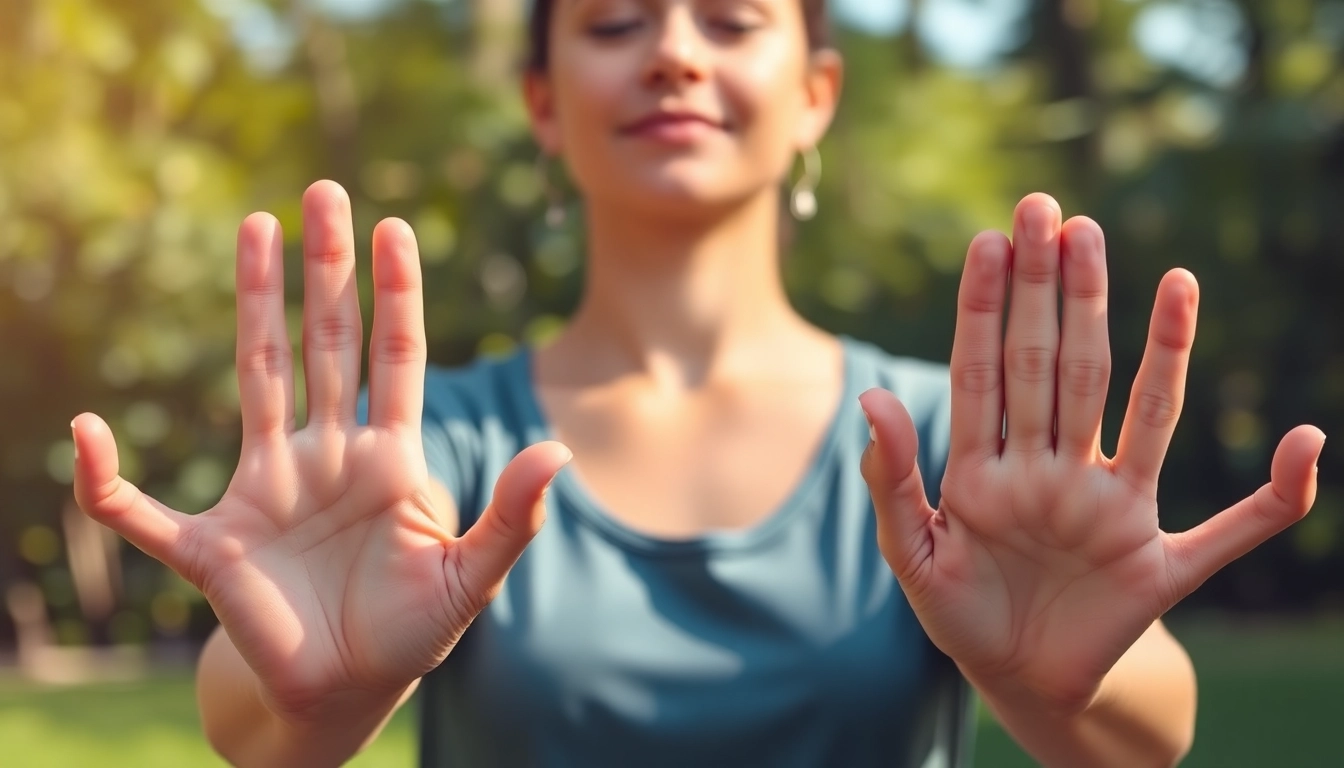
Introduction to Yoga Mudras
Yoga is an ancient practice that encompasses various techniques aimed at promoting harmony between the body, mind, and spirit. Among these techniques, yoga mudras hold a unique position, serving as powerful hand gestures that can significantly enhance the practice of yoga and meditation. This article delves into the world of mudras, exploring their meanings, benefits, types, and the science behind them, providing a comprehensive guide for both beginners and seasoned practitioners.
What are Yoga Mudras?
In essence, a yoga mudra is a symbolic hand gesture or seal that is performed with the fingers of one or both hands. The term "mudra" is derived from the Sanskrit language, meaning "seal," "mark," or "gesture." These hand positions are believed to influence the flow of energy within the body, helping to channel life force or 'prana' effectively. Mudras can be seen as a blend of physical posture, breathing techniques, and meditation practices, all aimed at enhancing spiritual, mental, and physical wellness.
The Historical Significance of Yoga Mudras
The practice of mudras dates back thousands of years and is deeply rooted in India’s spiritual traditions. Mudras are extensively explored in ancient texts, including the Vedas and Upanishads, where they are described as essential components of yoga and meditation. Historical records and spiritual texts suggest that mudras were originally used in the context of ritualistic practices and as a way of connecting with divine energies. Over the centuries, their importance expanded, reflecting the integration of mudras into various forms of meditation, yoga, and holistic healing practices.
How Yoga Mudras Enhance Your Practice
Integrating mudras into your yoga practice can promote deeper states of meditation, improve concentration, and balance emotional and physical states. Practicing these simple gestures has been shown to harness energy flow, invoke specific states of consciousness, and provide therapeutic benefits for various health conditions. Furthermore, they serve as a bridge between the physical and spiritual aspects of yoga, enriching the overall experience by creating a point of focus that enhances mindfulness and presence throughout the practice.
Types of Yoga Mudras
Common Yoga Mudras and Their Meanings
While there are countless yoga mudras practiced across different traditions, several common mudras are frequently used in yoga sessions:
- Gyan Mudra (Knowledge Mudra): Formed by touching the tip of the thumb to the tip of the index finger, this mudra is believed to enhance concentration and awaken spiritual wisdom.
- Prana Mudra (Life Force Mudra): Executed by joining the tips of the thumb, ring finger, and little finger, this mudra promotes vitality and health.
- Apana Mudra (Vitality Mudra): Created by joining the thumb, middle finger, and ring finger, this gesture aids in detoxifying the body and promoting effective digestion.
- Vyana Mudra (Energy Mudra): With the tips of the thumb, index finger, and middle finger touching, this mudra is thought to help with energy circulation throughout the body.
- Prithvi Mudra (Earth Mudra): By bringing the tip of the thumb and ring finger together, this mudra is said to enhance stability and grounding.
How to Execute Key Yoga Mudras
To effectively practice mudras, it’s important to ensure your body and mind are prepared. Here are some guidelines for performing key yoga mudras:
1. Find a comfortable seated position, preferably in a cross-legged posture or on a chair with your back straight.
2. Close your eyes gently and take a few deep breaths to center yourself.
3. Choose a mudra based on your intention—whether it is relaxation, focus, or energization.
4. Execute the chosen mudra with both hands, ensuring your fingers are gently yet firmly positioned to maintain the gesture.
5. Hold the mudra for 5-10 minutes while maintaining your deep breathing, focusing your mind on the sensations within your body.
Benefits of Daily Practice of Yoga Mudras
Regularly practicing yoga mudras can lead to a variety of mental, emotional, and physical benefits:
- Enhanced Focus: Many practitioners notice improved concentration and mental clarity during meditation.
- Emotional Balance: Mudras can help in regulating emotions, promoting a sense of calmness and stability.
- Spiritual Growth: Engaging with mudras can facilitate deeper spiritual experiences and connections.
- Physical Health: Certain mudras may help support specific physical health conditions, ranging from digestive issues to anxiety management.
The Science Behind Yoga Mudras
How Yoga Mudras Influence Energy Flow
From a scientific perspective, mudras are thought to influence the flow of energy through the body's meridian system. Each finger represents an element: thumb (fire), index finger (air), middle finger (space), ring finger (earth), and little finger (water). By connecting different fingers through specific gestures, practitioners can create changes in their body’s energy dynamics. This modulation of energy is believed to directly impact physical health, mental clarity, and emotional stability.
The Role of Mudras in Meditation
Mudras are often employed in meditation to facilitate focus and mindfulness. Using a mudra during practice helps ground the individual, providing a tangible point of concentration. They can also serve as a marker for mindfulness, signaling the mind to return to a focused state whenever distractions arise. The incorporation of mudras during meditation is a powerful way to control energy, thus enhancing the meditative experience.
Research on Yoga Mudras and Health Benefits
Recent studies have explored the health benefits of yoga mudras, especially in conjunction with other forms of yoga and meditation. Research has demonstrated that consistent practice can enhance overall well-being, including improvements in immunity and reductions in anxiety levels. For instance, a study indicated that practicing certain mudras resulted in improved respiratory function and provided a supportive framework in boosting immunity. These findings emphasize the potential of yoga mudras as an important component of holistic health practices.
Integrating Yoga Mudras into Your Routine
Tips for Beginners Practicing Yoga Mudras
If you are new to yoga mudras, consider these tips to incorporate them into your routine:
- Start Simple: Begin with basic mudras like Gyan Mudra before progressing to more complex gestures.
- Set Intentions: Before starting, define what you want to achieve through practicing mudras, whether it's relaxation, focus, or something else.
- Practice Regularly: Consistency is key; even a few minutes daily can yield significant benefits over time.
- Use Guided Sessions: Utilize video or in-person classes that can provide instruction and guidance on mudra practices.
Creating a Personalized Yoga Mudra Practice
Developing a personalized yoga mudra practice involves selecting gestures that resonate most with your intentions and needs. Begin by exploring various mudras and observing how they affect your physical and mental states. You might decide to combine several mudras into a sequence tailored for specific outcomes, such as focus or relaxation. You can also pair them with pranayama exercises for deeper results.
Common Mistakes to Avoid with Yoga Mudras
As with any practice, there are common pitfalls to be mindful of while practicing yoga mudras:
- Rushing the Process: Take your time to learn each gesture; rushing can lead to improper execution and reduced benefits.
- Forgetting Breath: Remember that breathwork enhances the practice of mudras, so keep your focus on deep, mindful breathing.
- Neglecting Body Posture: Ensure your body is aligned and grounded when performing mudras for maximum effect.
Advanced Techniques with Yoga Mudras
Combining Yoga Mudras with Pranayama
Pranayama, or controlled breathwork, can be effectively combined with yoga mudras to amplify their benefits. For example, performing Gyan Mudra while practicing Nadi Shodhana (alternate nostril breathing) creates a profound sense of balance and clarity. Here’s how to integrate the two approaches:
- Assume a comfortable seated position.
- Begin with Gyan Mudra, placing your index finger and thumb together.
- Start a pranayama technique, focusing on your breath while holding the mudra.
- Continue for several minutes, allowing the combined effects to deepen your relaxation and focus.
Using Yoga Mudras in Different Yoga Styles
Yoga mudras can be integrated into various yoga styles, enriching the experience no matter the practice. In Hatha yoga, for example, mudras can accompany asanas to deepen the meditative aspect of postures. In Kundalini yoga, specific mudras are employed to awaken energy centers within the body. Additionally, in restorative yoga, mudras facilitate a sense of calm, allowing for deep relaxation.
Performance Metrics: Assessing Benefits of Yoga Mudras
To gauge the effectiveness of your yoga mudra practice, consider keeping a journal to monitor changes in mood, mind clarity, and physical sensations. Reflect on how various mudras impact your practice overall, noting improvements in focus or reductions in anxiety. You can also utilize tools like meditation apps that track your practice duration and mood before and after sessions, allowing for a quantitative assessment of benefits over time.