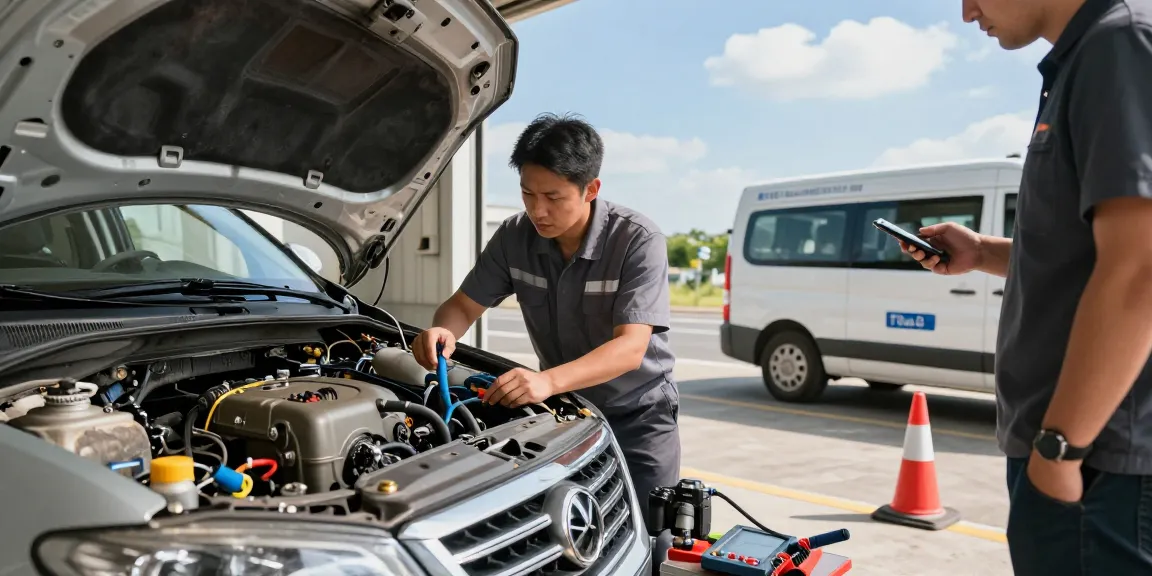
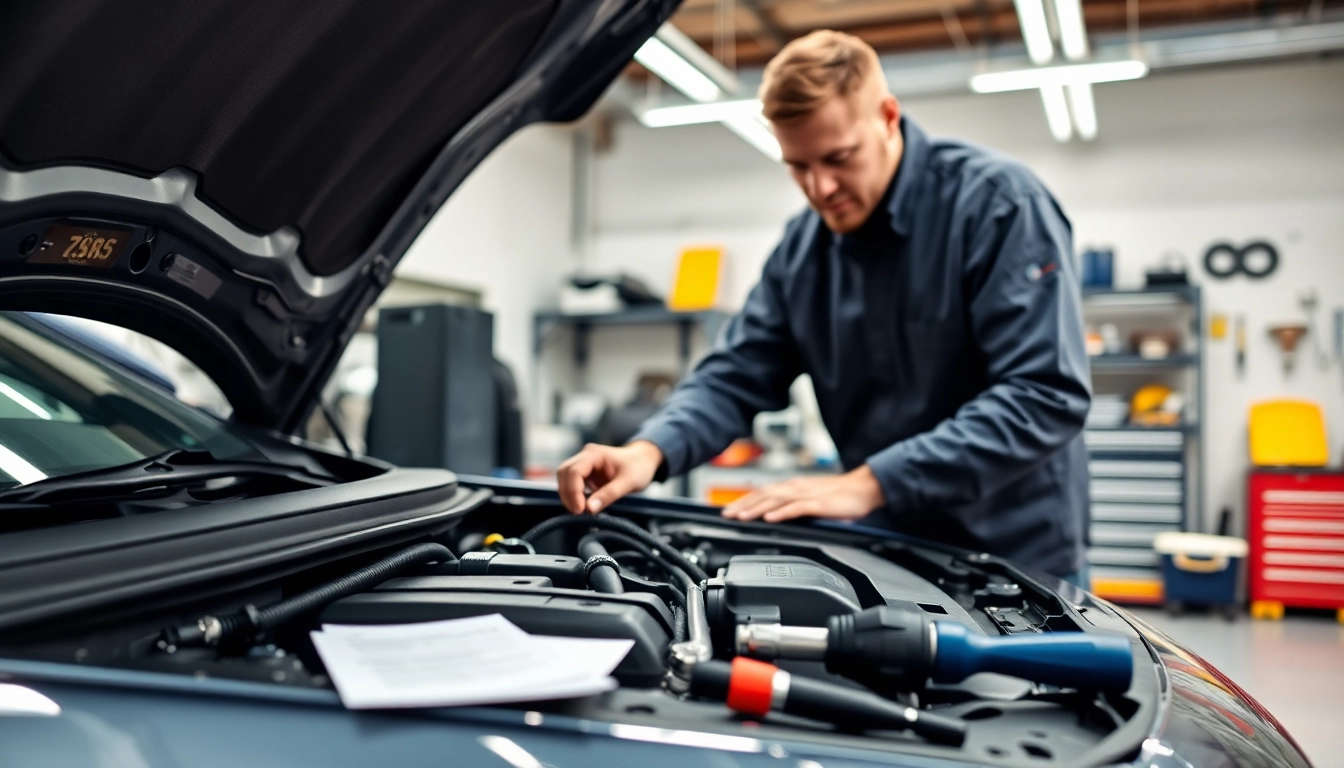
What is a Smog Test?
Definition of Smog Test
A Smog Test is an emissions examination designed to ensure that vehicles do not emit harmful pollutants into the atmosphere. Typically, this assessment checks the car’s exhaust and diagnostic systems to ascertain whether it adheres to environmental standards set by regulatory authorities. The procedure varies from state to state, with each having its own regulations and testing protocols.
Reasons for Conducting a Smog Test
The primary reason for conducting a smog test is to minimize air pollution and safeguard public health. These tests help identify vehicles that produce excessive emissions, which can contribute to smog formation and respiratory issues among the population. Additionally, smog tests can lead to improved overall vehicle performance, enhancing fuel efficiency and prolonging the vehicle’s lifespan.
Environmental Impact
Automobiles are significant contributors to air pollution. Conducting regular smog tests promotes cleaner air and can significantly diminish the harmful effects of vehicular emissions. By reducing pollutants such as nitrogen oxides and hydrocarbons, smog tests are essential for combating global warming, protecting wildlife, and preserving natural resources. Intervening to cut vehicle emissions can help communities achieve compliance with health standards, leading to healthier living conditions.
How to Prepare for Your Smog Test
Vehicle Maintenance Tips
To increase your chances of passing a smog test, ensure your vehicle undergoes regular maintenance. Here are some preparations you can undertake:
- Perform routine oil changes to ensure the engine runs smoothly.
- Check and replace air filters, as a clean filter enhances fuel efficiency.
- Ensure that the fuel system is functioning correctly; consider using fuel additives that improve combustion.
- Inspect the exhaust system for leaks, as they can increase emissions.
- Verify that the Check Engine light is off, as any dashboard warning lights may lead to an automatic failure.
Documentation Requirements
Each state has specific requirements for documentation prior to attending a smog test. Commonly required documents include:
- Vehicle registration.
- Identification proving you are the vehicle's owner.
- Any previous smog test certificates, if applicable.
Choosing the Right Testing Center
Selecting a certified testing center is crucial for a reliable smog test. Look for centers that are licensed by your state's environmental authority. Consider reading customer reviews for insights on their experiences. Additionally, check that the center is equipped with the latest technology, as older equipment might not provide accurate results leading to unnecessary repairs or fees.
The Smog Test Process Explained
What to Expect During the Test
During a smog test, you can expect the following process:
- Visual Inspection: Technicians will inspect critical components such as the catalytic converter, exhaust manifold, and other emissions-related parts.
- Functional Testing: They will assess whether these components are functioning as intended, which often involves a rolling road test.
- Diagnostic Checks: For newer vehicles, onboard diagnostics may be checked to ensure the vehicle's emissions control systems are working correctly.
Common Equipment Used
Various tools and equipment are employed during a smog test, including:
- OBDII Scanner: Used for checking vehicle diagnostic codes. It verifies whether there are any active issues that could affect emissions.
- Gas Analyzers: Instruments that measure the level of harmful gases produced during the combustion process.
- Roller Dynamometer: A device enabling technicians to simulate driving conditions to assess emissions at various speeds.
Understanding Test Results
After the assessment, test results indicate whether your vehicle passed or failed. If you pass, you will receive a certificate necessary for vehicle registration renewal. Conversely, a failure means specific repairs will be needed before a retest can occur. The report will identify issues, guiding you toward compliance with emissions standards.
What Happens if Your Vehicle Fails a Smog Test?
Identifying Common Failures
Vehicles may fail for several reasons, including:
- Malfunctioning catalytic converter.
- Fuel system issues, such as leaks or poor combustion.
- Oxygen sensor errors.
- Check Engine light being illuminated.
Repair Options Available
If your vehicle fails its smog test, various repair options are available. First, review the detailed failure report with a qualified mechanic. Depending on the identified issues, repairs may involve:
- Replacing damaged components like catalytic converters or sensors.
- Addressing any fuel line leaks.
- Clearing diagnostic trouble codes to reset vehicle systems.
Re-testing Procedures
Once repairs have been made, you can arrange for a retest. Most states allow for retesting at a reduced fee, but this depends on local regulations. It’s important to keep all repair documentation, as this will help if additional verification of compliance is needed.
Frequently Asked Questions about Smog Tests
What is included in a Smog Test?
A smog test typically includes a visual inspection, diagnostic checks, and emissions testing. The process determines whether your vehicle adheres to environmental standards for emissions.
How often should my vehicle undergo a Smog Test?
Most states require vehicles to undergo smog tests every two years; however, some may have specific schedules based on vehicle age, model, or registration. Check local regulations for details.
What are the costs associated with a Smog Test?
The cost of a smog test can vary widely based on location and vehicle type but typically ranges between $20 and $70. Additional fees may apply for repairs or retests if needed.
Can I perform a self Smog Test?
While you can conduct preliminary checks of your vehicle’s emissions systems, a formal smog test must be performed at a certified testing center. Self-testing may involve using an OBDII scanner to check for underlying issues.
What do I do if my vehicle fails?
If your vehicle fails a smog test, review the failure report, consult a qualified mechanic for necessary repairs, and keep all documentation for retesting. Follow local guidelines for compliance.