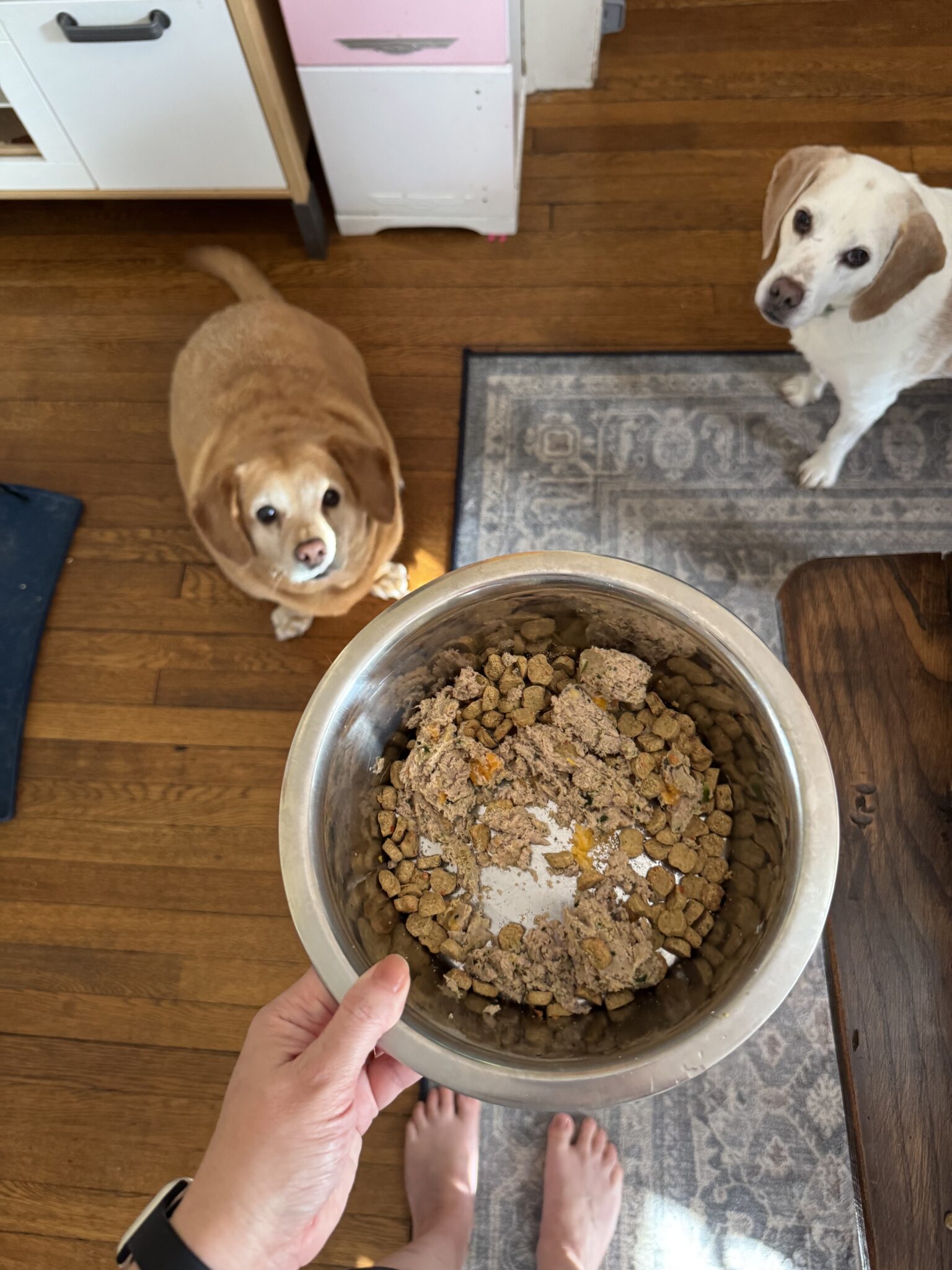
As pet owners, choosing the right food for our furry companions is both a responsibility and a challenge. With so many options available, from traditional kibble to subscription-based fresh meals, understanding the cost and value of each choice is crucial. One popular option gaining attention is The Farmer's Dog, a fresh dog food subscription designed to provide balanced, human-grade meals. However, many pet owners are concerned about the farmer's dog price compared to regular dog food. In this article, we’ll break down the costs, benefits, and overall value of this modern approach to canine nutrition.
Understanding The Farmer's Dog
The Farmer's Dog is a fresh, human-grade dog food subscription that delivers pre-portioned meals directly to your door. Unlike conventional kibble or canned dog food, these meals are made from real meats and vegetables and are tailored to your dog's specific dietary needs. The goal is to provide higher-quality nutrition that supports long-term health, energy levels, and digestion.
The appeal of The Farmer's Dog lies in its convenience, customization, and transparency of ingredients. But this premium quality comes at a price, which is where many pet owners pause and compare it to traditional dog food options.
The Farmer's Dog Price: What to Expect
The cost of The Farmer's Dog depends on factors such as your dog’s weight, age, and dietary requirements. On average, prices range from $2 to $3 per day for smaller dogs and up to $10 per day for larger breeds. Monthly subscriptions can therefore cost anywhere from $100 to $300, which is significantly higher than traditional dry or canned dog food.
While this may seem steep, it’s essential to consider that The Farmer's Dog price reflects premium ingredients, portion-controlled meals, and the convenience of home delivery. These factors can reduce waste and ensure your pet receives precisely the nutrition they need.
Comparing Regular Dog Food Costs
Regular dog food includes kibble, canned food, and semi-moist varieties. The average cost of dry dog food ranges from $0.50 to $1 per day for small to medium dogs, while premium brands may cost $1.50 to $2 per day. Canned foods are typically more expensive, averaging $2 to $4 per day, depending on quality and brand.
While traditional dog food is more affordable upfront, it may contain fillers, by-products, and artificial preservatives that do not provide the same nutritional value as fresh, human-grade ingredients. Additionally, some dogs may require special diets, which can increase the cost of standard dog food.
Benefits of Choosing The Farmer's Dog
- High-Quality Ingredients: All meals are made from real meat, vegetables, and other natural ingredients.
- Tailored Nutrition: Personalized plans consider age, weight, breed, and activity level.
- Convenience: Pre-portioned meals reduce waste and eliminate guesswork in feeding.
- Health Improvements: Many pet owners report better digestion, shinier coats, and increased energy levels.
- No Preservatives or Fillers: Unlike many regular dog foods, The Farmer's Dog avoids artificial additives.
While the cost is higher, the potential long-term health benefits can offset the initial investment. Healthier pets may require fewer veterinary visits and supplements over time.
Pros and Cons of Regular Dog Food
Pros:
- Lower upfront cost
- Easy to find in stores
- Long shelf life
Cons:
- May contain fillers, artificial flavors, or low-quality proteins
- One-size-fits-all approach may not meet all dietary needs
- Overfeeding or underfeeding risk without portion guidance
While traditional dog food can be cost-effective, it may not provide the same nutritional benefits as The Farmer's Dog.
Cost Comparison: The Farmer's Dog vs Regular Dog Food
FactorThe Farmer's DogRegular Dog FoodAverage Cost (Small Dog)$2–$3/day$0.50–$1/dayAverage Cost (Large Dog)$6–$10/day$1–$2/dayIngredient QualityHuman-grade, freshVaries; often includes fillersCustomizationTailored mealsStandard formulasConvenienceDelivered pre-portionedRequires measuring and storage
From this comparison, it is clear that The Farmer's Dog price is higher but includes added value in nutrition, convenience, and quality that standard dog food may lack.
Is The Farmer's Dog Worth the Extra Cost?
Deciding whether to invest in The Farmer's Dog depends on your priorities and your dog’s needs. For pet owners who value premium ingredients, customized nutrition, and convenience, the subscription may justify its cost. For those on a tighter budget, high-quality kibble or canned food may be sufficient, especially if your dog is healthy and not prone to dietary issues.
Ultimately, the decision should balance financial considerations with the long-term health benefits for your pet.
Tips for Saving on Dog Food Without Compromising Quality
- Compare subscription plans: Some fresh dog food services offer discounts for longer-term commitments.
- Buy in bulk: Purchasing larger bags of high-quality kibble can reduce per-serving costs.
- Mix meals: Consider supplementing fresh meals with premium dry food to balance cost and nutrition.
- Monitor portion sizes: Avoid overfeeding, which increases overall expenses.
By combining smart budgeting with quality nutrition, you can provide excellent care without overspending.
FAQ
1. How much does The Farmer's Dog cost per month?
The cost varies based on your dog’s size and dietary needs but generally ranges from $100 to $300 per month.
2. Is The Farmer's Dog healthier than regular dog food?
Yes, The Farmer's Dog uses fresh, human-grade ingredients and personalized meal plans, which can improve digestion, coat health, and energy levels.
3. Can I switch back to regular dog food after using The Farmer's Dog?
Yes, but it’s recommended to transition gradually to avoid digestive upset. Mix the new food with your dog’s previous meals over 7–10 days.
Conclusion
While the The Farmer's Dog price is significantly higher than regular dog food, it offers unparalleled quality, tailored nutrition, and convenience. For pet owners prioritizing health and longevity, the investment can be worthwhile. Traditional dog food remains a cost-effective option but may lack the nutritional benefits of fresh, human-grade meals. Evaluating your dog’s needs and your budget will help you make the best choice. Investing in quality food today can lead to a healthier, happier dog tomorrow.
We update our homepage regularly with new features and highlights.