Understanding the Importance of Construction Safety Training
Construction sites are known for their complexity and inherent dangers, making effective safety protocols not just a priority but a necessity. A strong foundation in construction safety training empowers workers to recognize hazards, comply with regulations, and foster a culture of safety on-site. This article delves into the crucial aspects of construction safety training, highlighting its importance, key components, effective delivery methods, measurement of impact, and future trends.
Why Safety Training is Essential
Safety training is essential for several reasons. Primarily, it equips workers with the knowledge necessary to identify and mitigate risks associated with their roles. Statistics show that well-trained teams are less likely to experience accidents, injury, or fatalities on the job. Furthermore, the psychological aspect of knowing safety measures can enhance employee morale, leading to increased productivity. When team members feel safe and secure, they are more likely to perform at their best.
Legal Requirements for Training
Construction safety training is not merely a recommendation; it is mandated by law in many regions. Various occupational safety regulations require employers to provide adequate safety training for employees, particularly for high-risk positions. Noncompliance can lead to severe penalties, including fines and increased insurance costs. Keeping abreast of these legal requirements is crucial for any organization operating within the construction sector.
Common Hazards in Construction
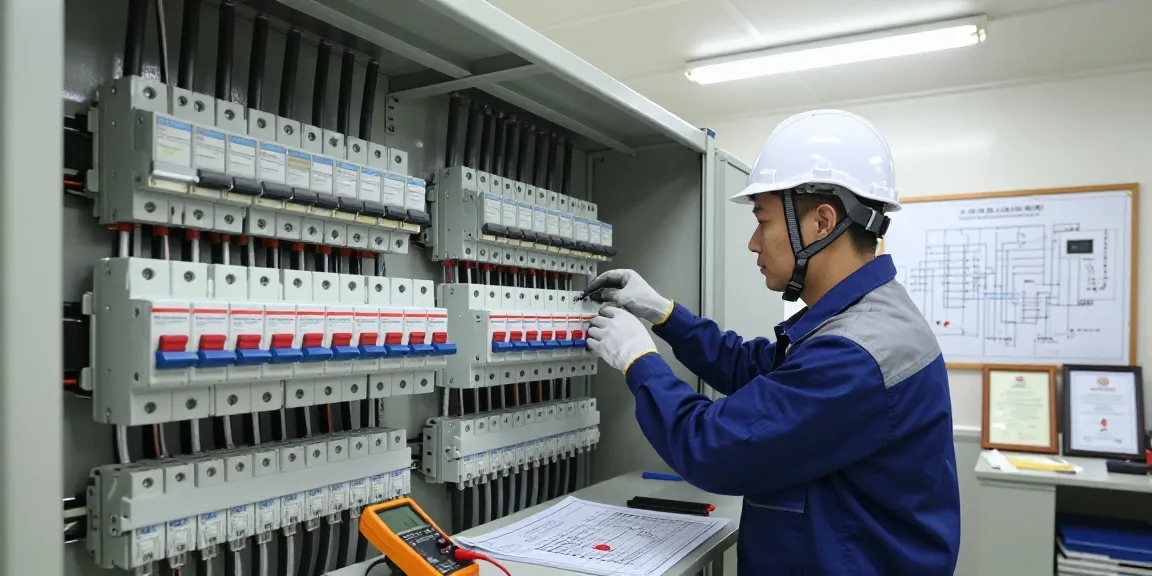
Common hazards in construction include falls, electrical threats, machinery injuries, and respiratory risks from hazardous materials. Understanding these hazards enables the development of targeted safety training programs that can significantly reduce workplace incidents. Regular safety audits and risk assessments can help identify potential dangers, ensuring that training content remains relevant and effective.
Key Components of Effective Construction Safety Training
Identifying Training Needs
Effective safety training begins with a thorough assessment of the specific needs of a construction team. This involves analyzing previous incident reports, conducting surveys among workers, and inspecting site conditions. By identifying gaps in knowledge and skills, training programs can be tailored to address those specific weaknesses. This targeted approach not only enhances learning but also provides a meaningful investment in employee safety and well-being.
Creating a Comprehensive Training Plan
A well-structured training plan is vital for ensuring comprehensive safety education. This plan should incorporate various modalities, such as in-person workshops, online courses, hands-on demonstrations, and refresher sessions. It's essential to schedule training during off-peak times to maximize participation, and to create clear educational objectives that align with federal and state regulations. Incorporating flexible learning options encourages team members to engage actively with training materials.
Evaluating Training Resources
An effective safety training program utilizes high-quality resources, including instructional materials, experienced trainers, and up-to-date content aligned with industry standards. Regularly reviewing and updating training resources ensures they reflect current practices, technology, and legislation. Engaging industry experts or consultants can also enrich the training experience and provide valuable insights from real-world applications.
Techniques and Strategies for Training Delivery
Interactive Learning Approaches
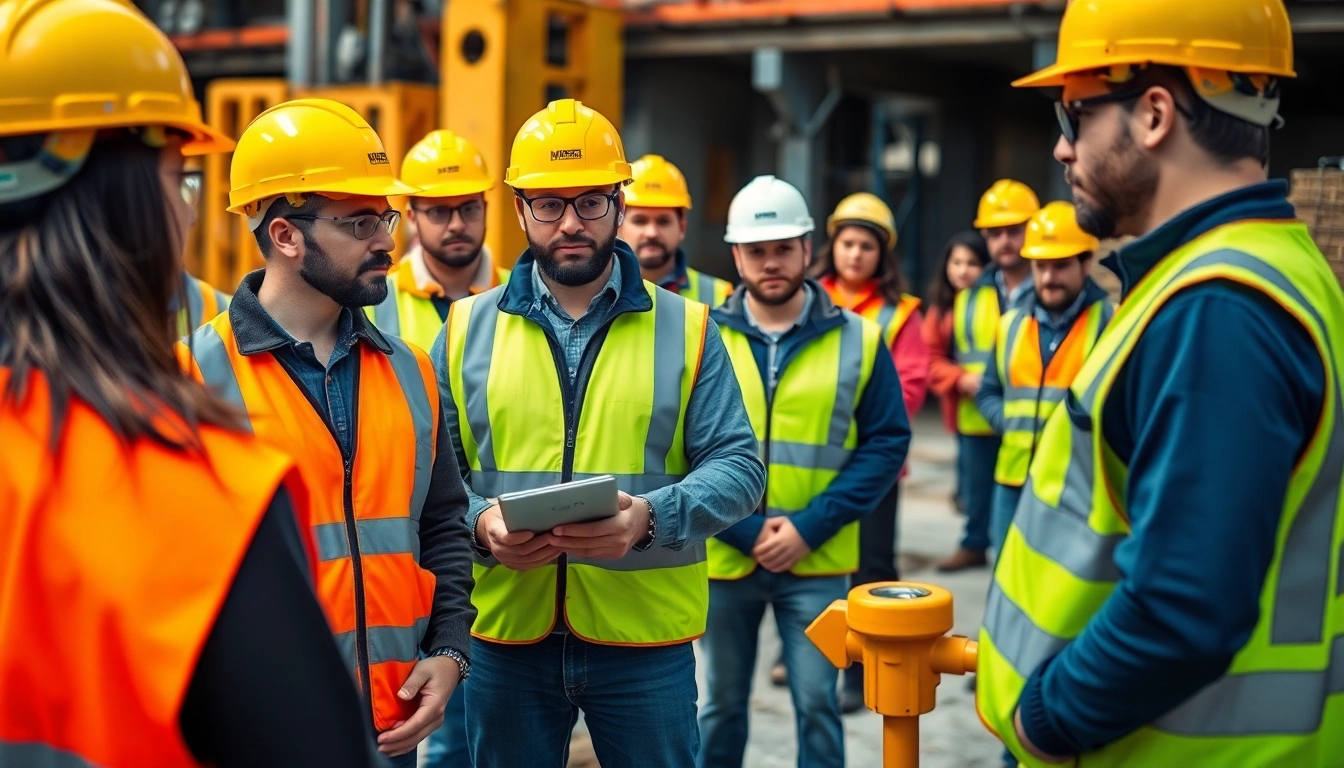
Interactive learning approaches—such as group discussions, role-playing exercises, and hands-on workshops—can significantly enhance engagement during safety training. Encouraging participation fosters camaraderie and allows workers to share their experiences and insights, which can enrich the learning environment. Techniques like quizzes or scenario-based exercises can reinforce knowledge and provide immediate feedback.
Utilizing Technology in Training
Technology plays a pivotal role in modern training methods. Virtual platforms can facilitate remote training sessions, while mobile applications can provide quick access to safety resources. Additionally, augmented reality (AR) and simulations can create immersive training experiences that replicate real-life situations, enabling workers to apply their knowledge in a controlled environment. Utilizing technology in training not only improves accessibility but also caters to various learning styles.
Real-Life Scenarios for Skills Development
Integrating real-life scenarios into training programs can significantly improve skills development. Case studies, incident analyses, and participant testimonials can illustrate the consequences of inadequate safety practices. By analyzing actual incidents, workers are more likely to retain vital safety information, grasp its importance, and apply it to their roles.
Measuring the Impact of Construction Safety Training
Setting Performance Metrics
To assess the effectiveness of safety training, clear performance metrics must be established. These could include declines in workplace incidents, completion rates of training programs, and improvements in overall safety culture. Using tangible metrics allows organizations to identify successful strategies and areas requiring enhancement, ensuring training remains impactful and relevant.
Feedback Mechanisms for Continuous Improvement
Implementing feedback mechanisms is essential for continuous improvement within construction safety training. Surveys, focus groups, and one-on-one interviews can provide valuable insights from participants regarding the effectiveness of training programs. Additionally, encouraging an open dialogue about safety concerns contributes to ongoing enhancement of safety practices, reinforcing a culture of safety.
Tracking Safety Compliance and Incidents
Systematic tracking of safety compliance and incident reports allows organizations to gauge the immediate impact of training. Regular audits and compliance checks should be conducted to evaluate adherence to safety protocols following training sessions. Aggregated data can inform future training needs, ultimately leading to a safer work environment.
Future Trends in Construction Safety Training
Leveraging Virtual Reality for Training
As technology evolves, we are likely to see an increased use of virtual reality (VR) in construction safety training. VR provides an immersive experience, allowing workers to practice safety protocols in a simulated environment that mimics real construction sites. This hands-on experience can dramatically reduce the learning curve associated with complex safety procedures, making it easier for workers to apply what they've learned when they arrive on-site.
Adapting to New Regulations
The construction industry is continually evolving, with new regulations emerging to address safety concerns. Training programs must be agile enough to adapt to these regulatory changes. Regular updates to training content ensure compliance and that workers are well-informed about current safety practices and legislative requirements. Keeping abreast of regulatory shifts helps guarantee that safety training remains relevant and effective.
Integrating Mental Health into Safety Training
In recent years, recognizing the role of mental health in workplace safety has gained traction. Integrating mental health awareness into construction safety training is invaluable for creating a holistic safety culture. Providing training on recognizing signs of mental distress, promoting healthy coping mechanisms, and encouraging open discussions around mental health can significantly reduce workplace incidents and foster a supportive environment.
Frequently Asked Questions
What is construction safety training?
Construction safety training focuses on educating workers about the hazards encountered on job sites and teaching them proactive measures to mitigate these risks.
Why is construction safety training important?
This training is crucial as it reduces workplace injuries, complies with legal requirements, and enhances overall safety culture within organizations.
What are key components of effective safety training?
Key components include identifying training needs, creating a comprehensive training plan, and evaluating training resources for effectiveness and relevance.
How can technology enhance safety training?
Technology can improve safety training effectiveness by using virtual platforms, mobile applications, and immersive experiences like VR to engage learners.
How is the impact of safety training measured?
The impact can be measured through performance metrics, feedback mechanisms, and tracking compliance with safety protocols and incident reports.