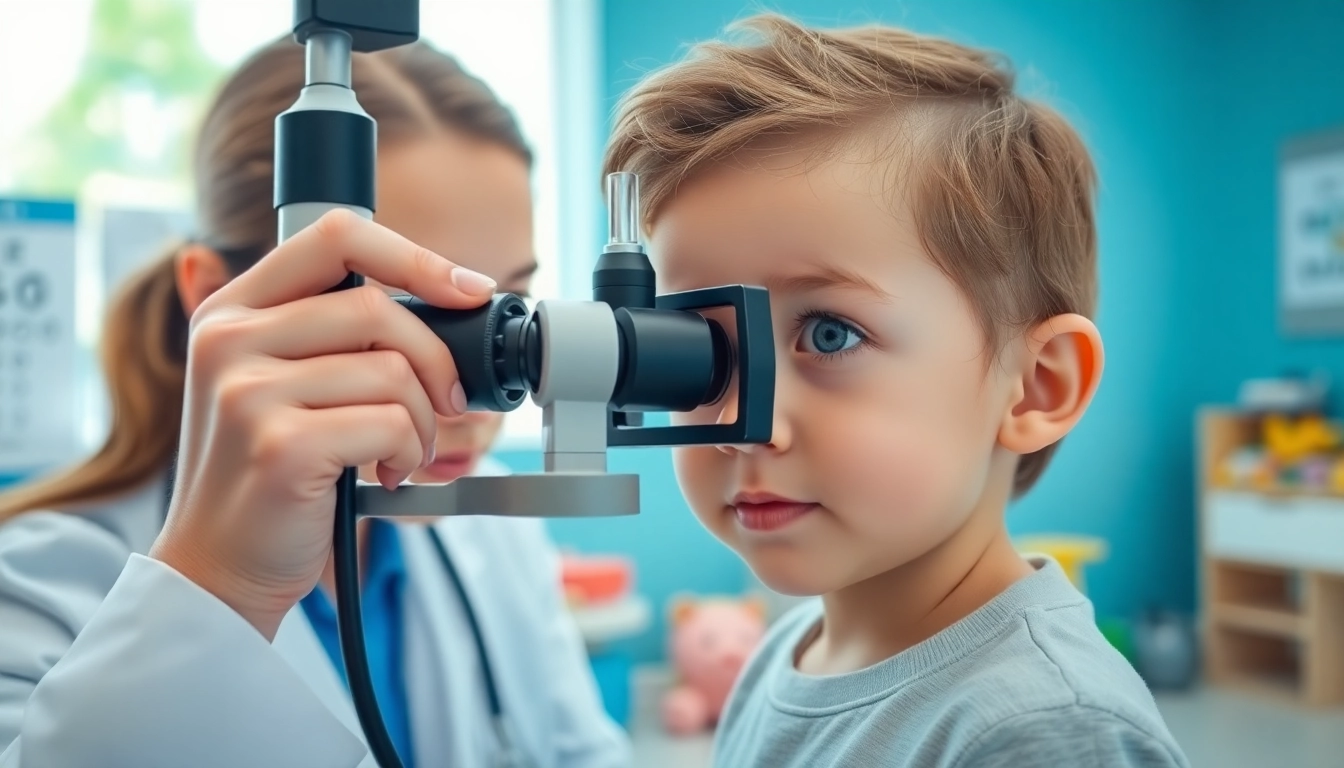
Understanding Vision Health in Children
Vision health in children encompasses a critical aspect of their overall wellbeing and development. Early detection and timely intervention play a vital role in ensuring that vision problems are addressed before they can negatively impact learning and quality of life. Unfortunately, many children globally suffer from undiagnosed vision issues that can hinder their academic performance and social interactions. Organizations like Our Children's Vision are striving to enhance awareness and provide essential eye care resources for children in need.
The Importance of Early Detection
Detecting vision problems at an early age is essential. Pediatric vision impairments often go unnoticed until they begin to affect academic performance or social interactions. Comprehensive eye exams should be integrated into regular health check-ups, especially during critical developmental periods. Regular screenings can help identify issues such as amblyopia (lazy eye), strabismus (crossed eyes), and refractive errors, which include myopia (nearsightedness), hyperopia (farsightedness), and astigmatism.
Research indicates that nearly 1 in 4 children experience vision problems that can be corrected with appropriate treatments. Early detection allows for timely intervention, promoting better educational outcomes and preventing potential long-term disabilities.
Common Vision Problems
Children may face a range of vision problems, many of which are treatable if caught early. Some of the most common issues include:
- Amblyopia: Often referred to as lazy eye, amblyopia can occur when one eye develops better vision than the other, which may result in permanent vision loss if untreated.
- Strabismus: This condition involves misalignment of the eyes. Children with strabismus may have difficulty focusing and can also experience depth perception problems.
- Refractive Errors: Vision problems stemming from refractive errors can hinder a child’s ability to see clearly. Myopia, hyperopia, and astigmatism are common refractive issues that affect children.
- Color Blindness: This condition affects a child’s ability to distinguish colors and can impact learning, particularly in subjects that rely heavily on color coding.
How Vision Impacts Learning
Vision is integral to learning; nearly 80% of what a child learns in school is processed visually. Children with uncorrected vision problems may struggle with comprehension, classroom participation, and achieving overall academic success. For example, a child with unaddressed myopia may have difficulty reading the board from a distance, while a child with amblyopia may find it challenging to judge distances accurately. Furthermore, unresolved vision issues can lead to frustration, impacting a child's social interactions and self-esteem.
Our Children's Vision: Mission and Goals
Our Children's Vision is committed to raising awareness and addressing the global challenge of uncorrected vision problems in children. This initiative unites healthcare professionals, educators, and community advocates to foster solutions that enhance child eye health.
Overview of the Initiative
The mission of Our Children's Vision is to ensure that every child has access to proper eye care, which involves both education and providing resources to families. The initiative seeks to inform communities about the importance of regular vision screenings and to equip healthcare providers with the tools necessary to identify and address vision issues early.
Community Engagement Strategies
Engagement with the community is crucial for the success of initiatives aimed at improving children's vision health. Our Children's Vision employs a range of strategies, including:
- Workshops and Seminars: Organizing community events to educate parents and guardians on the importance of eye health and available resources.
- School Partnerships: Collaborating with local schools to implement vision screening programs and disseminate information about children’s eye health.
- Health Fairs: Participating in community health fairs to provide on-site vision screening services and materials that educate families.
Partnerships and Collaborations
Building strong partnerships with various organizations is key to extending the reach of Our Children's Vision. By collaborating with health departments, nonprofits, and educational institutions, the initiative can share resources and amplify its impact. These partnerships can include:
- Non-Profit Organizations: Working together on campaigns that promote eye health awareness and increase access to eye care services.
- Government Agencies: Advocating for policies that support child eye health initiatives and ensuring funding for vision care programs.
- Local Businesses: Engaging local businesses to sponsor vision screenings or provide resources for promotional events.
Effective Eye Care Practices for Children
Ensuring optimal eye health in children involves establishing effective practices that support healthy vision development from infancy through adolescence. Parents, caregivers, and educators should work together to facilitate these practices.
Regular Eye Exams: What to Expect
Regular eye exams are essential and should be scheduled at specific intervals during childhood. The American Optometric Association recommends:
- First exam at six months
- Next exam at three years
- Follow-up exams every other year for school-aged children
During eye exams, healthcare professionals assess visual acuity, eye alignment, and overall eye health. Depending on the findings, they may prescribe corrective lenses or recommend further evaluation by a specialist.
Tips for Eye Health at Home
Parents can promote eye health at home through simple lifestyle adjustments. Here are some practical tips:
- Limit Screen Time: Establish boundaries for recreational screen time to reduce eye strain and promote physical activity.
- Encourage Outdoor Play: Spending time outdoors has been shown to benefit eye health, reducing the likelihood of developing myopia.
- Balanced Diet: Ensure children consume a diet rich in fruits and vegetables, especially leafy greens and fish, which provide essential nutrients for eye health.
Identifying Signs of Vision Problems
Being vigilant about the signs of potential vision problems can aid in early intervention. Parents should watch for:
- Frequent squinting or rubbing of the eyes
- Difficulty concentrating on reading materials
- Complaints of headaches after reading or doing close work
- Turning or tilting the head to see better
If any of these signs are observed, it is crucial to schedule an eye exam promptly.
Advocacy and Awareness Campaigns
Advocacy and awareness are vital components in the quest to improve eye health among children. Through targeted campaigns, initiatives can educate communities and influence policy changes that foster better access to eye care.
Raising Awareness in Schools
Schools play a central role in advocating for children's eye health. By integrating eye health education into the curriculum, educators can promote understanding of the importance of vision care. Initiatives may include:
- Classroom presentations by vision health professionals
- Distribution of materials that educate parents and guardians about the signs of vision problems
- Implementing vision screening programs as part of regular health checks
Utilizing Social Media for Outreach
Social media platforms provide a unique opportunity to reach a broad audience quickly. Our Children's Vision can leverage these platforms by:
- Sharing testimonials from families who have benefited from timely vision care
- Providing informational graphics about the importance of eye care
- Engaging with followers through Q&A sessions and live events focused on eye health
Engaging Healthcare Professionals
Healthcare professionals, including pediatricians, optometrists, and school nurses, are critical allies in advocating for children's vision health. Collaborative training programs can equip them with the necessary knowledge to:
- Recognize signs of vision issues
- Communicate effectively with families about the importance of eye exams
- Implement referral protocols for children needing specialized care
Future Directions for Our Children's Vision
The future of Our Children's Vision holds immense potential. As awareness spreads and partnerships deepen, the initiative is poised for significant impact on global child eye health.
Research and Development Initiatives
Investing in research is essential for understanding how best to serve children’s vision needs. Ongoing studies can explore various dimensions of pediatric eye health, such as:
- Longitudinal studies tracking the effects of early interventions
- Research evaluating the efficacy of community outreach programs
- Investigations into the impact of nutrition on eye health
Long-term Goals for Global Impact
The long-term vision for Our Children's Vision includes establishing sustainable frameworks for eye care that can be replicated worldwide. Key objectives may involve:
- Creating accessible vision health resources in multiple languages
- Partnering with other global health initiatives to enhance collective impact
- Advocating for policy changes that prioritize children's vision health funding
How You Can Get Involved
Individuals passionate about enhancing children's vision health can contribute in various ways:
- Volunteer: Seek opportunities to volunteer at local vision screenings and health fairs.
- Spread the Word: Share information about eye health with friends and family.
- Support Local Initiatives: Participate in or donate to fundraising efforts for vision health programs.
By joining forces, we can ensure a brighter, clearer future for all children, safeguarding their ability to learn, grow, and thrive.