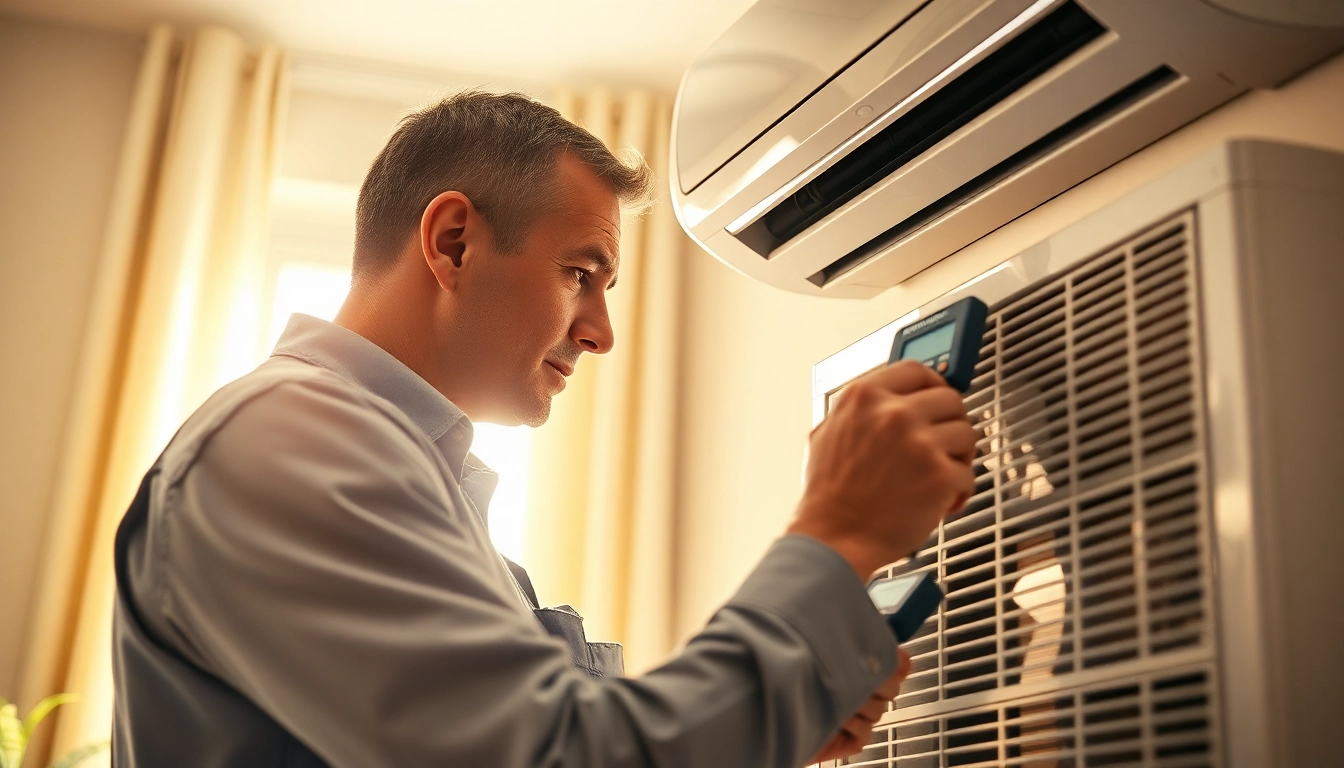
Understanding HVAC Systems
Types of HVAC Systems
Heating, Ventilation, and Air Conditioning (HVAC) systems serve essential functions in both residential and commercial buildings. They maintain indoor air quality, comfort, and provide heating and cooling as needed. The most common types of HVAC systems include:
- Split Systems: This is the most common type found in homes. It consists of an outdoor unit (compressor and condenser) and an indoor unit (evaporator and air handler).
- Packaged Systems: All components are housed in a single unit. Typically used in commercial settings, they can be installed on roofs or at ground level.
- Ductless Mini-Split Systems: These systems consist of an outside unit connected to one or more inside units. They are ideal for homes without ductwork, providing flexible temperature control.
- Geothermal Systems: Utilizing the earth’s stable underground temperature, these systems are highly energy-efficient for heating and cooling.
- Hybrid Systems: Combining traditional gas heating with electric heat pumps, hybrid systems offer energy savings during moderate weather.
Components of Efficient Systems
An efficient HVAC system relies on several key components working together harmoniously. The main components include:
- Thermostat: This device regulates the temperature, signaling the system to heat or cool as necessary.
- Compressor: Located in the outdoor unit, the compressor circulates refrigerant through the system.
- Condenser Coil: This component dissipates heat from the refrigerant into the outdoors.
- Evaporator Coil: Located indoors, this coil absorbs heat from the indoor air, cooling the space.
- Air Handler: This unit moves air through the ductwork, ensuring even distribution throughout the home.
- Ductwork: These pathways allow heated or cooled air to flow throughout the home efficiently.
Importance of Regular Maintenance
Regular maintenance of HVAC systems is critical to ensure longevity and efficiency. Neglecting maintenance can lead to reduced performance, higher energy costs, and premature system failures. Key maintenance tasks include:
- Filter Replacement: Dirty filters impede airflow, reducing efficiency and increasing energy expenditure.
- System Inspection: Annual professional inspections help identify potential issues before they escalate into costly repairs.
- Cleaning Coils: Dirty coils hinder the heat exchange process, making the system work harder than necessary.
- Checking Refrigerant Levels: Proper refrigerant levels are vital for the system’s cooling capacity and efficiency.
For more comprehensive maintenance options, consider checking https://nobleheatingairservices.com, where professional solutions can enhance your HVAC system's reliability.
Choosing the Right Heating and Cooling Solutions
Factors to Consider for Home HVAC
When selecting a heating and cooling solution, several factors should be weighed:
- Home Size: The size of your home directly impacts the type and size of the HVAC system required.
- Climate: Regions with extreme temperatures may benefit from more robust systems.
- Energy Source: Consider whether you will use electricity, gas, or another source when selecting a system.
- Personal Comfort Preferences: Individual preferences for temperature control and humidity levels may also impact your decision.
Energy Efficiency Ratings Explained
Understanding energy efficiency ratings can help consumers make informed choices when selecting HVAC systems. Some key ratings include:
- SEER (Seasonal Energy Efficiency Ratio): This rating indicates the cooling efficiency of air conditioners; a higher SEER value means greater efficiency.
- EER (Energy Efficiency Ratio): Similar to SEER, but calculated at specific operating conditions to reflect performance under peak demand.
- HSPF (Heating Season Performance Factor): This rating measures the efficiency of heat pumps; again, a higher number indicates better efficiency.
Customizing Temperature Control
The ability to customize temperature settings throughout different areas of your home can significantly enhance comfort. Consider the following solutions:
- Zoning Systems: These systems allow you to control different areas (or zones) of your home independently, optimizing energy usage.
- Smart Thermostats: Programmable or smart thermostats can learn your habits and adjust settings automatically for improved comfort and energy savings.
- Variable Speed Systems: These systems adjust their output based on demand, maintaining consistent temperatures without wasting energy.
Professional Installation Services
Benefits of Professional HVAC Installation
Choosing professional installation for your HVAC system offers numerous advantages, including:
- Expertise: Skilled technicians understand the nuances of installation, ensuring compliance with local codes and regulations.
- Efficiency: Professionals can optimize the system's layout, increasing overall system efficiency.
- Warranty Protection: Many manufacturers require professional installation to validate warranties; improper installation can void coverage.
Common Mistakes During DIY Installations
While DIY installations may seem appealing to save money, they often lead to mistakes such as:
- Improper Sizing: Failing to calculate the correct size for the system can lead to inadequate heating or cooling.
- Incorrect Airflow Management: Without proper airflow design, the system may fail to operate efficiently.
- Neglecting Electrical Safety: HVAC equipment often involves complex electrical systems that can pose serious risks if not installed correctly.
Checklist for Hiring a Qualified Technician
To ensure you hire a competent technician for your HVAC installation, consider the following checklist:
- Verify licensing and insurance.
- Check references and reviews from previous customers.
- Request detailed quotes from multiple contractors.
- Inquire about maintenance programs and ongoing support options.
- Ensure the technician is familiar with the specific HVAC equipment you plan to install.
Improving Indoor Air Quality
Effect of HVAC on Air Quality
A well-functioning HVAC system plays a vital role in maintaining good indoor air quality (IAQ). The HVAC system can impact IAQ through:
- Filtration: Filters trap dust, allergens, and pollutants, preventing them from circulating in the air.
- Ventilation: Proper ventilation ensures the influx of fresh outdoor air while expelling indoor pollutants, significantly improving IAQ.
- Humidity Control: HVAC systems help maintain humidity levels, preventing mold growth and enhancing comfort.
Filtration Systems Overview
Different filtration systems can be utilized to improve indoor air quality, including:
- HEPA Filters: High-efficiency particulate air (HEPA) filters capture 99.97% of particles, including allergens and small pollutants.
- Electrostatic Filters: These filters utilize an electrical charge to attract particles, making them highly effective at capturing contaminants.
- UV Light Systems: Integrating UV light into filtration systems helps kill bacteria and viruses, further enhancing IAQ.
Dealing with Allergens in Your Home
To combat allergens in your home effectively, consider the following strategies:
- Regular Cleaning: Frequent vacuuming and dusting can significantly reduce allergen levels.
- Maintaining Appropriate Humidity: Keeping humidity levels between 30-50% can inhibit dust mites and mold.
- Air Purifiers: Invest in air purifiers with HEPA filters for additional allergen filtration, especially in allergy-prone areas.
Cost-effective Tips for HVAC Maintenance
Seasonal Maintenance Checklist
Regular seasonal maintenance ensures that your HVAC system operates efficiently throughout the year. Here’s a seasonal checklist:
- Spring: Replace air filters, clean outdoor units, inspect ductwork for leaks, and test the cooling system.
- Summer: Check thermostat accuracy, inspect electrical connections, and monitor refrigerant levels.
- Fall: Clean and inspect the heating system, replace air filters, and check flue and ventilation.
- Winter: Inspect insulation, verify thermostat programming, and ensure that heating vents are unobstructed.
Common Issues and Troubleshooting
Identifying common HVAC issues can save money on repair costs. Here are a few signs to watch out for:
- Inconsistent Temperatures: This could indicate a failing thermostat or blocked ductwork.
- Noisy Operation: Unusual sounds can signal loose components or issues with the fan.
- Increased Energy Bills: A sudden spike in bills may suggest inefficiencies or maintenance needs.
Monitoring Performance and Efficiency
Regularly monitoring your HVAC system’s performance can help catch problems early. Consider these tips:
- Track Energy Bills: Compare monthly energy costs to identify unusual increases.
- Monitor Temperature Variations: Check for discrepancies in temperature readings throughout your home.
- Use Technology: Smart thermostats and apps can provide insights into system performance in real-time.