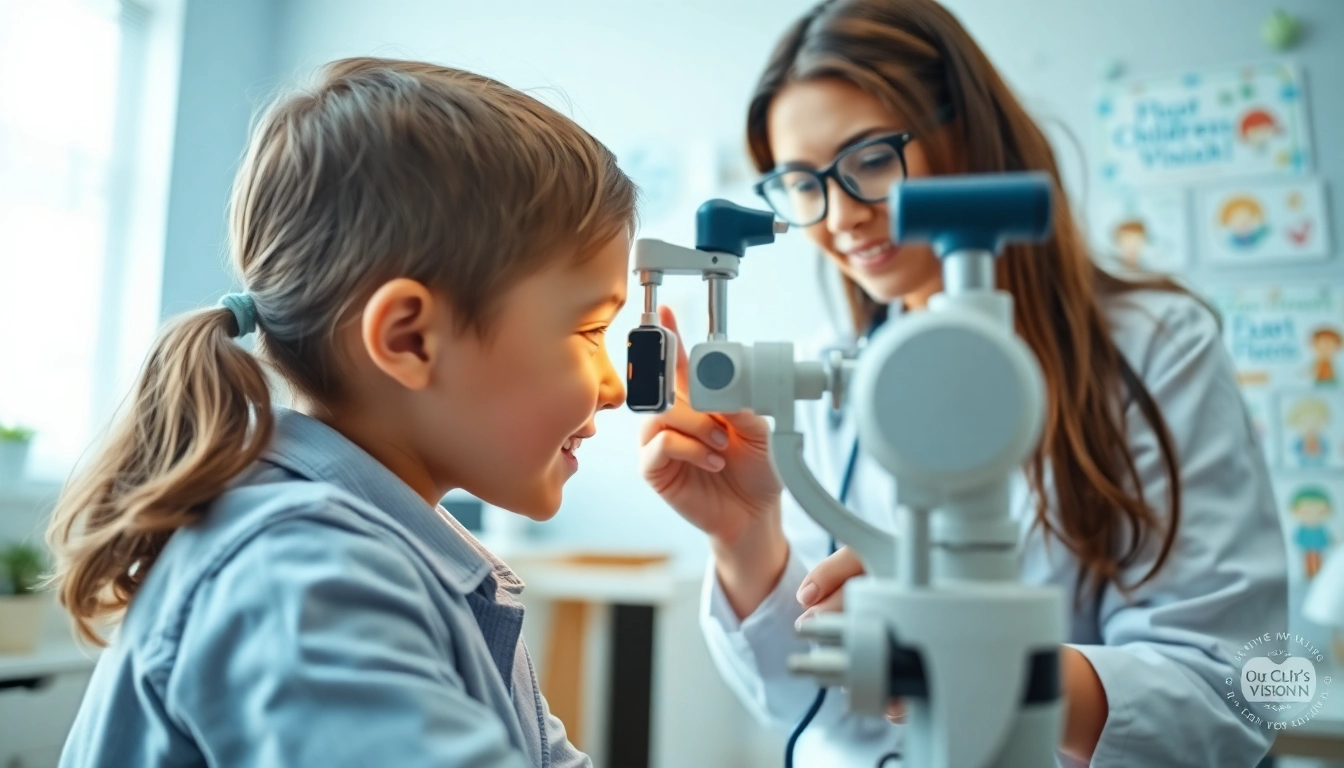
Understanding Our Children's Vision
Eye health is a fundamental aspect of overall well-being yet often overlooked, particularly in children. Ensuring that children have access to appropriate eye care can significantly impact their development and quality of life. Our Children's Vision aims to raise awareness and improve access to eye care services for children globally, recognizing that millions of children suffer from vision impairment due to a lack of eye care. Understanding the importance of eye health in childhood is crucial, as it lays the foundation for a lifetime of visual well-being.
The Importance of Eye Health in Childhood
Good vision is essential for many aspects of a child's life, including learning and social interactions. Children rely heavily on their vision to navigate the world, whether it's reading in class, playing sports, or engaging in creative activities. Undiagnosed vision issues can hinder academic performance and affect emotional and social development. The earlier these issues are identified, the better outcomes children can experience. Eye health is intricately linked to educational success, making it a critical area of focus for parents and educators alike.
Statistics on Vision Impairment in Children
According to research, approximately one in four children has a vision problem that can impact their learning and development. Alarmingly, many of these cases remain undetected until it becomes a significant issue. Vision impairment can arise from various factors, including congenital disorders, injuries, or simply the effects of environmental factors. By recognizing the prevalence of these issues, stakeholders can push for improved access to preventive care and regular eye screenings.
Common Eye Conditions Affecting Young Children
Several eye conditions are common among children, and early detection is vital for effective treatment. Some of the prevalent conditions include:
- Amblyopia: Often referred to as "lazy eye," this condition can severely affect a child's vision if not treated early.
- Strabismus: This condition causes the eyes to be misaligned, leading to issues with depth perception and visual acuity.
- Myopia: Also known as nearsightedness, myopia is increasingly prevalent in children due to factors such as extended screen time and reduced outdoor activities.
- Hyperopia: Commonly known as farsightedness, this condition can also affect a child's ability to focus closely on activities such as reading.
Early Detection: Key to Improving Our Children's Vision
Early detection of vision problems is crucial. The sooner a condition is diagnosed, the more effective treatment can be, potentially preventing long-term complications.
When and How to Get Your Child’s Vision Checked
It is recommended that children have their first eye exam by the age of one, followed by another exam at three years old and then every two years thereafter, or as advised by an eye care professional. These exams can be done by pediatricians and optometrists who are trained in diagnosing eye conditions in children. Parents should seek immediate eye exams if they notice any signs of vision problems, such as squinting, turning the head to see, or difficulty focusing on objects.
The Significance of Routine Eye Exams
Routine eye exams are vital for children's overall health. They help identify vision problems early on and allow for timely interventions, leading to better outcomes. In many cases, children may not realize they have a vision problem, making regular assessments by a healthcare provider even more critical.
What Parents Should Know About Vision Screening
Vision screening is essential. It can help identify children who may need further examination by an eye specialist. These screenings are often conducted in schools or by pediatricians and can catch problems early. Parents should actively engage in their child’s vision health by staying informed about the importance and frequency of these screenings.
Implementing Eye Care Practices
While professional eye care is paramount, parents can take several steps to support their child's eye health at home. Implementing good eye care practices can make a significant difference in a child's vision.
Best Practices for Eye Care at Home
Establishing a set of eye care practices at home is an excellent way for parents to ensure their children maintain healthy vision. This includes:
- Encouraging regular breaks during screen time, following the 20-20-20 rule: every 20 minutes, take a 20-second break to look at something 20 feet away.
- Ensuring proper lighting when children read or do homework to reduce eye strain.
- Limiting screen time and promoting outdoor play, which is beneficial for eye health.
- Providing a balanced diet rich in vitamins A, C, and E, omega-3 fatty acids, and minerals, all of which contribute to eye health.
Encouraging Healthy Screen Time Habits
With technology being an integral part of childhood today, developing healthy screen time habits is critical. Parents should monitor usage, ensuring children engage with screens in moderation, and encourage activities that require them to use their vision in varied ways. Setting aside time for outdoor play can immensely benefit their visual health.
Nutrition and Its Influence on Eye Health
Nutrition plays a significant role in overall eye health. Foods rich in antioxidants, vitamins, and minerals can help maintain eye health and stave off conditions that might arise in childhood and later in life. Encouraging the consumption of leafy greens, carrots, fish, and fruits can fortify a child’s vision as part of a balanced diet.
Promoting Awareness Around Our Children's Vision
Raising awareness about the need for children's vision care is essential in driving community initiatives and improving access to services. Communities can mobilize resources to ensure no child suffers due to lack of eye care.
How to Get Involved in Community Initiatives
Parents can get involved in community initiatives that focus on children's eye health. This can include participating in or promoting local vision screenings, advocating for policies that support children's health, and engaging in fundraising efforts for organizations dedicated to eye health.
Raising Awareness Through Education and Advocacy
Education is a powerful tool in advocating for children's vision care. Offering workshops, hosting events, and sharing informative resources in schools and communities can enhance awareness and emphasize the importance of eye check-ups. Awareness campaigns can also educate parents on recognizing the signs of vision problems.
Collaborating with Healthcare Professionals
Collaboration with healthcare professionals can yield significant benefits for community eye health. Engaging optometrists, ophthalmologists, and public health advocates in outreach efforts can enhance educational programs and promote awareness about eye care resources available for families.
Evaluating the Impact on Our Children’s Vision
Ultimately, the success of any initiative aimed at improving children's eye care must be evaluated thoroughly to understand its impact and make necessary adjustments.
Measuring Success in Eye Care Initiatives
To measure success, organizations can conduct surveys and gather feedback from families who have accessed vision services. Monitoring changes in eye health statistics and the number of children who receive regular eye care can help gauge the effectiveness of community initiatives.
Feedback from Families on Eye Care Services
Family feedback is a critical component of assessing the effectiveness of eye care initiatives. By fostering open communication with parents about their experiences with eye care services, organizations can gain valuable insights and improve their offerings based on the community's needs.
Future Goals for Improving Children’s Eye Health
Looking ahead, it is essential to establish clear goals for improving children's eye health. This can include expanding access to vision care, increasing the number of eye care professionals trained to work with children, and advocating for policies that prioritize children’s health and well-being.