The Essential Role of Refineries in Industry
Refineries play a pivotal role in the modern industrial landscape, transforming raw materials into essential products that power economies and daily lives. Understanding the complexities behind refineries is crucial for comprehending their impact on numerous sectors, from transportation to consumer goods. This article delves into the function, processes, and future trends of refineries, offering insights into their significance in shaping our world.
What are Refineries?
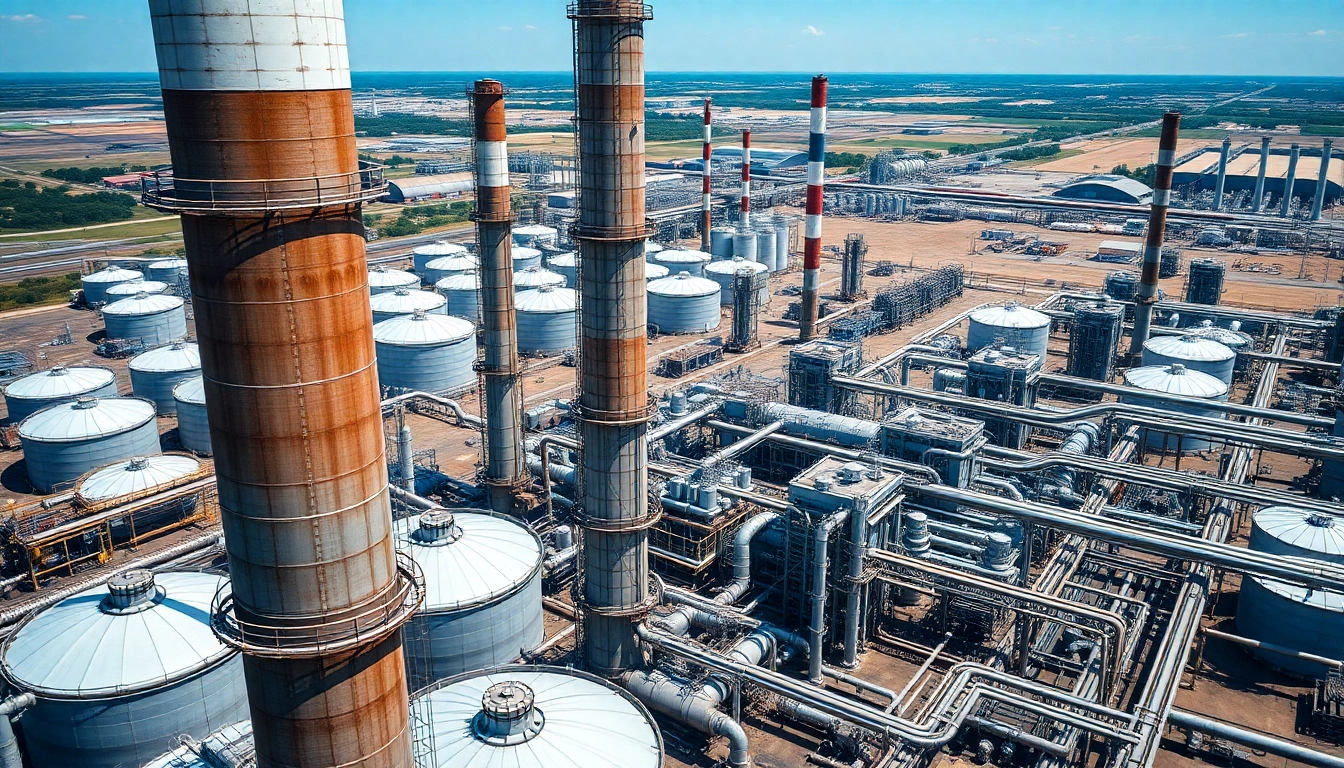
A refinery is an industrial facility that processes raw materials into usable products through various chemical engineering processes. The most common type of refinery, the oil refinery, specifically transforms crude oil into vital petroleum products. By separating and converting crude oil into various fractions, refineries create fuels, chemicals, and other materials essential for everyday activities. The heart of refining lies in its technologies, processes, and the skilled workforce that underpins each operation, ensuring the efficient delivery of high-quality products.
Types of Refineries
Refineries can be categorized into several types based on their functions and the materials they process:
- Oil Refineries: These facilities convert crude oil into fuels like gasoline, diesel, and jet fuel, along with other petrochemical products.
- Sugar Refineries: These facilities refine sugar cane and sugar beets into consumable sugar, ensuring purity and quality.
- Chemical Refineries: Specialized sites that produce chemicals used in various industries, including pharmaceuticals and agriculture.
- Metal Refineries: These process metals from ores, purifying them for industrial use.
Key Products from Refineries
The output of refineries is vast and essential, comprising a wide range of products:
- Fuels: This includes gasoline, diesel, and kerosene, crucial for transportation.
- Liquefied Petroleum Gas (LPG): Used for heating and cooking, LPG is derived from both natural gas processing and oil refining.
- Lubricants: Essential for machinery and automotive functions, lubricants ensure efficient operations.
- Asphalt: Necessary for road construction, asphalt is produced during the distillation of crude oil.
- Petrochemicals: These compounds serve as building blocks for plastics, fertilizers, and various consumer goods.
The Refining Process Explained
Understanding the refining process is crucial for grasping how raw materials are converted into valuable products. This section outlines the main stages of crude oil refining, the technologies employed, and the environmental considerations associated with refining activities.
Stages of Crude Oil Refining
The refining of crude oil involves several key stages:
- Distillation: The initial stage where crude oil is heated, causing different components to vaporize at various temperatures. These vapors are then condensed into liquid fractions.
- Cracking: A secondary process that breaks down larger hydrocarbon molecules into smaller, more valuable products such as gasoline and diesel. Various cracking methods exist, including thermal cracking and catalytic cracking.
- Reforming: This stage alters the molecular structure of hydrocarbons to enhance fuel quality and produce higher-octane gasoline.
- Treating: Involves removing impurities, such as sulfur or nitrogen compounds, to ensure that the final products meet stringent environmental and quality standards.
Technologies Used in Refineries
Modern refineries utilize advanced technologies to improve efficiency, reduce costs, and minimize environmental impact. Some key technologies include:
- Catalytic Converters: Devices that enhance the speed of chemical reactions in refining processes.
- Hydrotreating Units: Facilities used to remove sulfur and other impurities from fuels, ensuring compliance with regulations.
- Fractional Distillation Columns: Essential for the separation of crude oil into its various components based on boiling points.
- Chemical Reaction Chambers: These chambers facilitate complex chemical reactions required in refining, such as converting heavy oils into lighter fractions.
Environmental Considerations
While refineries provide essential products, they also pose environmental challenges. Key considerations include:
- Emissions: Refineries produce greenhouse gases and pollutants; hence regulatory compliance is crucial for air quality.
- Waste Management: The disposal of hazardous waste generated during refining processes requires stringent handling and treatment practices.
- Water Usage: Refineries require substantial water resources for cooling and processing, necessitating sustainable water management practices.
Refinery Workforce and Careers
The workforce in refineries is vital for the efficient functioning of operations. A diverse range of professionals contributes to the complex processes involved in refining. This section explores career opportunities, required skills, and safety protocols crucial in this industry.
Job Opportunities in Refineries
The refining sector offers various job opportunities, including:
- Refinery Operators: Responsible for monitoring and managing daily refinery operations.
- Engineers: Various engineering disciplines, including chemical, electrical, and mechanical, are essential for optimizing refinery processes.
- Environmental Specialists: Focus on ensuring environmental compliance and implementing sustainability practices within refineries.
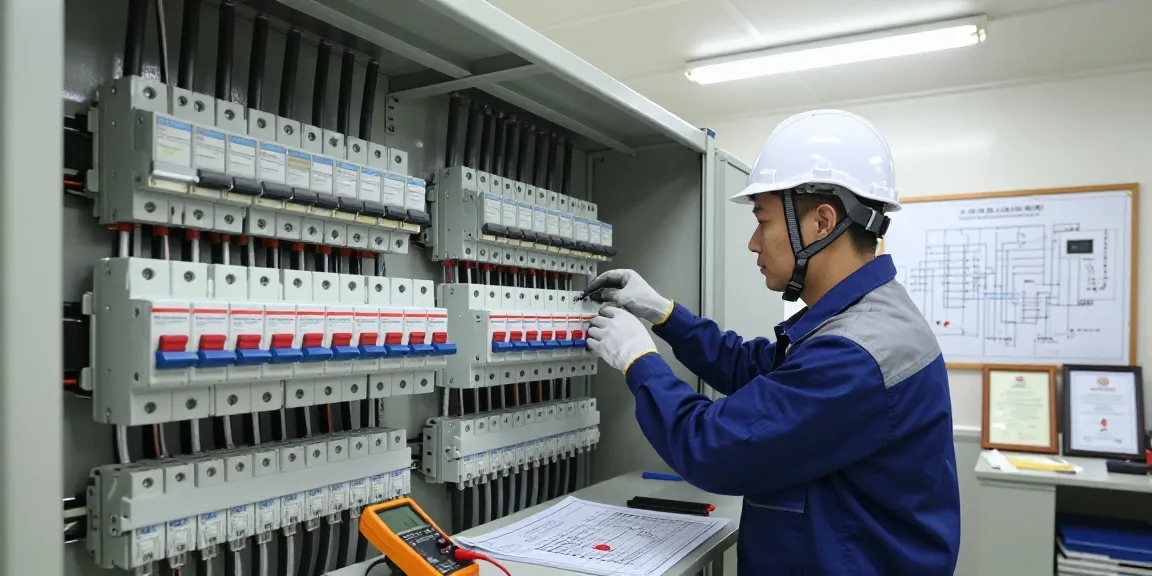
- Maintenance Technicians: Ensure that all refinery equipment functions efficiently, conducting repairs and preventive maintenance.
Skills Required for Refinery Positions
Individuals aspiring to work in refineries should possess a mix of technical and soft skills, including:
- Technical Knowledge: Understanding refining processes, equipment operation, and safety protocols.
- Problem-Solving Abilities: The capability to troubleshoot issues and implement solutions quickly.
- Communication Skills: Effective communication is essential for teamwork and operational efficiency.
- Attention to Detail: Precision is critical in refining operations to ensure product quality and safety.
Safety Protocols for Workers
Safety is paramount in refinery operations, owing to the hazardous nature of materials and processes involved. Key safety protocols include:
- Personal Protective Equipment (PPE): Essential gear such as hard hats, gloves, and safety goggles to protect workers from hazards.
- Regular Training: Continuous training on safety procedures, emergency response, and equipment handling.
- Incident Reporting Systems: Implementing thorough systems for reporting near-misses or incidents to improve safety measures.
Geographic Distribution of Refineries
Refineries are strategically located around the globe to optimize accessibility to crude oil supplies, logistic capabilities, and market demand. This section examines the major refinery locations in the U.S., explores global refinery networks, and discusses the local impact of refineries on communities.
Major Refinery Locations in the US
The United States is home to numerous refineries, with several key locations central to oil processing:
- Gulf Coast Region: Known for a high concentration of refineries due to proximity to crude oil sources and shipping routes.
- California: Hosts some of the largest refineries, focusing heavily on fuels for domestic consumption.
- Midwest: A vital area for refining operations that cater to denser populations and agricultural industries.
Global Refinery Networks
The global refinery network is interconnected, with countries exporting and importing refined products. Major refinery hubs include:
- Saudi Arabia: Home to some of the world’s largest refineries, leading in crude oil production.
- China: A rapidly expanding refining industry meeting the growing demand for fuels and chemicals.
- Europe: Contributions from various countries, showcasing a balance between refining capability and stringent environmental regulations.
Local Impact of Refineries on Communities
Refineries can significantly influence their local communities in both positive and negative ways:
- Economic Development: They provide jobs, stimulate local economies, and enhance infrastructure.
- Environmental Concerns: Local pollution and environmental hazards can arise, necessitating community engagement and mitigation strategies.
- Emergency Preparedness: Communities must be prepared to respond to accidents and emergencies associated with refinery operations.
Future Trends in Refining
As global energy demands evolve, the refinery industry must adapt to emerging trends, emphasizing sustainability and technological innovation. This section explores these future directions.
The Shift Towards Sustainable Practices
Sustainability is becoming a focal point in refining, driven by regulatory pressures and consumer expectations. Key shifts include:
- Biofuels: Many refineries are investing in the production of renewable fuels to reduce carbon footprints.
- Waste Reduction: Implementing strategies to minimize waste generation and enhance recycling within refining processes.
- Energy Efficiency: Upgrading equipment and processes to lower energy consumption during refining operations.
Technological Innovations in Refining
The adoption of technology is reshaping the refining landscape, introducing efficiencies and improving output quality. Innovations include:
- Artificial Intelligence: Leveraging AI for predictive maintenance and operational optimization.
- Automation: Streamlining operations through automated systems enhances safety and allows for real-time data monitoring.
- Advanced Materials: Developing new materials and catalysts that improve refining efficiency and product yield.
The Future of Energy Production
The refining sector is positioned at the crossroads of traditional energy production and the shift toward alternative energy sources. The focus is on:
- Diversification: Refining operations are increasingly incorporating renewable energy sources alongside traditional operations.
- Investment in R&D: Research and development are crucial for discovering new processes and products that align with future energy trends.
- Global Collaboration: As challenges evolve, international collaboration will be essential for sharing insights and technologies that foster sustainability in refining practices.
FAQs
What is the primary function of a refinery?
The primary function of a refinery is to convert crude oil into various useful products, including fuels, chemicals, and other materials essential for everyday life.
How many refineries are there in the U.S.?
There are approximately 135 operational oil refineries in the United States, which produce a range of petroleum products for domestic use.
What types of products are refined from crude oil?
Products refined from crude oil include gasoline, diesel, jet fuel, lubricants, heating oil, and various petrochemicals used in manufacturing.
Are refineries environmentally friendly?
Refineries can have significant environmental impacts due to emissions and waste. However, many are adopting sustainable practices to reduce their ecological footprint.
What careers are available in the refinery industry?
Careers in the refinery industry range from operators and engineers to environmental specialists and safety technicians, each playing a vital role in operations.