Understanding Fly Fishing Kits
What is a Fly Fishing Kit?
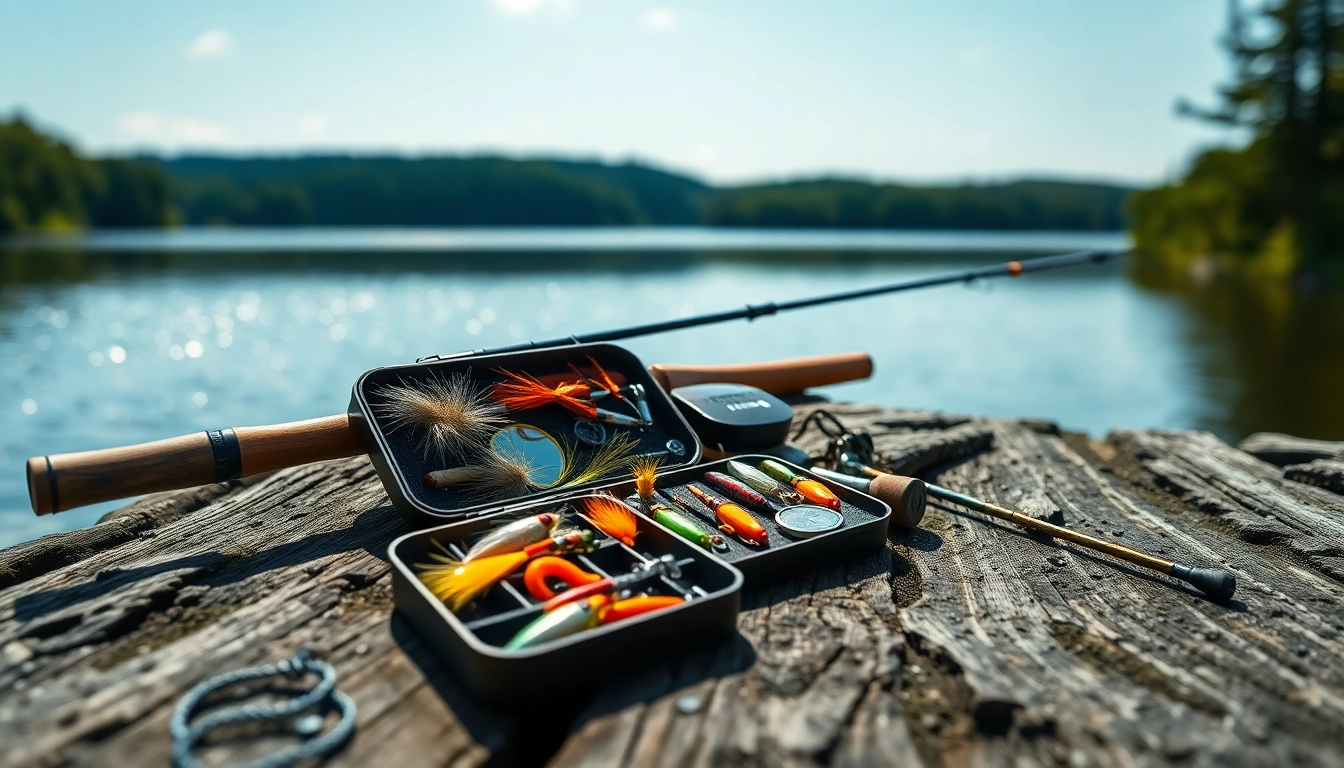
A fly fishing kit is a comprehensive collection of essential gear designed for anglers who prefer the art of fly fishing. This method of fishing involves casting a lightweight lure, called a fly, that imitates the behavior of aquatic insects or baitfish to attract fish. Fly fishing kits can vary from basic to advanced setups, catering to different skill levels and fishing conditions. Each kit typically includes all the necessary tools to get started, making it an ideal choice for both beginners and experienced anglers seeking to enhance their gear.
Components of a Fly Fishing Kit
A standard fly fishing kit generally includes several key components:
- Rod: The fly rod is usually lightweight and comes in various lengths and weights, designed to help cast the fly with precision.
- Reel: The fly reel is engineered to hold the backing and line, allowing anglers to retrieve fish efficiently.
- Line: Fly lines are thicker and heavier than traditional fishing lines, letting the angler cast the lightweight fly.
- Flies: These artificial lures come in many varieties, designed to mimic the appearance and movement of natural prey.
- Leader and Tippet: This is the line that connects the fly to the main line, providing a nearly invisible transition that helps with presentation.
- Accessories: Common accessories include a fly box, floatant, nippers, forceps, and fishing gloves.
Benefits of Using a Fly Fishing Kit
Utilizing a fly fishing kit offers numerous advantages:
- Convenience: Kits streamline the process of gathering equipment, ensuring that anglers have everything needed for a successful outing.
- Cost-effective: Purchasing components as a kit can be more economical than buying items individually, especially for beginners.
- Ease of Use: Kits provide a variety tailor-made for different fishing conditions, enhancing the angler's confidence when casting.
- Learning Opportunities: Many kits come with instructional guides, allowing novices to learn proper techniques effectively.
- Quality Assurance: Kits usually feature products from reputable brands that are often tested for durability and performance.
Choosing the Right Fly Fishing Kit
Factors to Consider Before Purchase
Selecting the right fly fishing kit involves considering several factors:
- Skill Level: Beginners should opt for kits designed for ease of use, while advanced anglers may look for specialized equipment.
- Type of Water: Freshwater and saltwater fishing requires different equipment; evaluating the environments where you will fish is crucial.
- Target Species: Understanding which fish species you aim to catch will help in selecting the appropriate flies and gear.
- Budget: Determine how much you are willing to spend, as prices can range widely depending on the quality and brand.
- Portability: If traveling frequently, a more compact and lightweight kit may be necessary.
Matching Kit Components to Your Fishing Style
Your fishing style significantly influences the components you should prioritize in your fly fishing kit:
Dry Fly Fishing
For anglers who prefer dry fly fishing, focus on a kit with a lightweight rod and a floating line, as this technique relies on presenting the fly on the surface.
Wet Fly Fishing
Wet fly fishing requires a different approach; thus, kits with sinking lines and a range of weighted flies are recommended.
Streamers and Nymphing
For those who enjoy using streamers, look for kits that include fast sinking lines and larger, more robust hooks for catching predatory fish.
Recommended Brands and Models
When selecting a fly fishing kit, consider established brands that have garnered positive reviews from anglers:
- Orvis: Known for high-quality materials and craftsmanship, Orvis offers a variety of kits suitable for both beginners and experts.
- Redington: Redington's kits are highly rated for budget-friendly options without sacrificing performance.
- Temple Fork Outfitters: Offering a range of rods and kits, TFO is recognized for its innovative designs and durable products.
- Benjamin: Best known for their youth-oriented kits, Benjamin provides gear that is both fun and functional for younger anglers.
Setting Up Your Fly Fishing Kit
How to Assemble Your Kit Properly
Assembling your fly fishing kit may seem daunting, but the following steps simplify the process:
- Unpack Your Components: Lay out all items included in your kit and familiarize yourself with each piece.
- Attach the Reel: Secure the reel to the rod by locking it into place. Ensure that the drag system is properly adjusted.
- Spool the Line: Thread the backing through the reel, ensuring it is tight and even. Next, attach the fly line according to the manufacturer's instructions.
- Connect the Leader: Tie the leader to the end of the fly line, ensuring a strong knot to prevent breakage.
- Attach the Tippet and Fly: Finally, connect the tippet to the leader and add your chosen fly.
Essential Tips for Beginners
For those new to fly fishing, consider these practical tips:
- Practice Casting: Before heading to the water, practice casting in an open space to build confidence and technique.
- Learn Knot Tying: Properly tying knots is essential; invest time in mastering this skill to avoid losing flies.
- Study the Fish: Research the species you wish to catch and tailor your rig to mimic their diet.
- Seek Local Advice: Engaging with local fishing communities can provide invaluable insights into the best times and places to fish.
Common Mistakes to Avoid
New anglers often encounter pitfalls that can hinder their success:
- Poor Leader Attachment: An improperly attached leader can result in breakage when casting or fighting a fish.
- Using Inappropriate Flies: Always consider the season and local aquatic life to select the appropriate flies for effective fishing.
- Ignoring Weather Conditions: Weather significantly impacts fish behavior; learning to fish in varying conditions can help improve your success rate.
- Overlooking Practice: Regular practice is essential; failing to cast enough can lead to missed opportunities on the water.
Maximizing Your Fly Fishing Experience
Techniques for Effective Casting
Becoming adept at casting is crucial in fly fishing. Here are essential techniques that can enhance your casting:
- Backcasting: This process involves casting the line backwards before moving it forward. Mastering backcasting provides better control and distance.
- Double Haul: This technique allows for increased line speed and distance by using both hands during the casting stroke.
- Roll Cast: Ideal for tight spaces, the roll cast allows casters to deliver flies without needing much backspace, using the water's surface instead.
Understanding Local Waters and Fish
Knowledge of your fishing environment is paramount:
- Research Local Species: Knowing the species present in your area guides your choice of tackle and fly selection.
- Understand Water Types: Limestone streams, rocky rivers, or still waters all require different approaches and techniques.
- Monitor Fishing Regulations: Stay informed about local fishing regulations and seasons to ensure adherence and sustainable practices.
Staying Safe and Prepared on the Water
Safety and preparedness are critical while fly fishing:
- Wear a Life Jacket: Always wear a coast guard-approved life jacket, especially in swift or cold waters.
- Stay Hydrated: Carry sufficient water and snacks to maintain energy levels while on the water.
- Check Weather Updates: Before heading out, ensure you're aware of the latest weather forecasts to avoid dangerous conditions.
Maintenance and Care for Your Fly Fishing Kit
Cleaning and Storing Your Equipment
To prolong the life of your fly fishing kit, regular maintenance is vital:
- Clean Your Rod and Reel: After each outing, rinse your reel and rod with fresh water to remove any debris.
- Inspect Lines: Periodically check your lines for wear and replace them if necessary.
- Store Properly: Store your equipment in a cool, dry space, using rod tubes to prevent damage during transport.
Upgrades and Accessories to Consider Over Time
As your skills progress, consider upgrading key kit components:
- Higher Quality Rods and Reels: Investing in premium rods and reels can provide improved sensitivity and smoother casting.
- Specialty Fly Patterns: Expand your collection of flies to include specialty patterns that target native species.
- Upgraded Lines: Different fishing conditions may require specialized lines, such as sinking or fast-sinking types.
Monitoring Performance and Making Adjustments
Finally, keep track of your performance and adjust as necessary:
- Record Your Experiences: Maintain a fishing journal noting dates, locations, techniques used, and species caught.
- Seek Continuous Learning: Attend workshops and seminars to keep up-to-date on new techniques and technology.
- Evaluate Your Gear: Periodically assess your gear and replace or upgrade components that are no longer effective.