
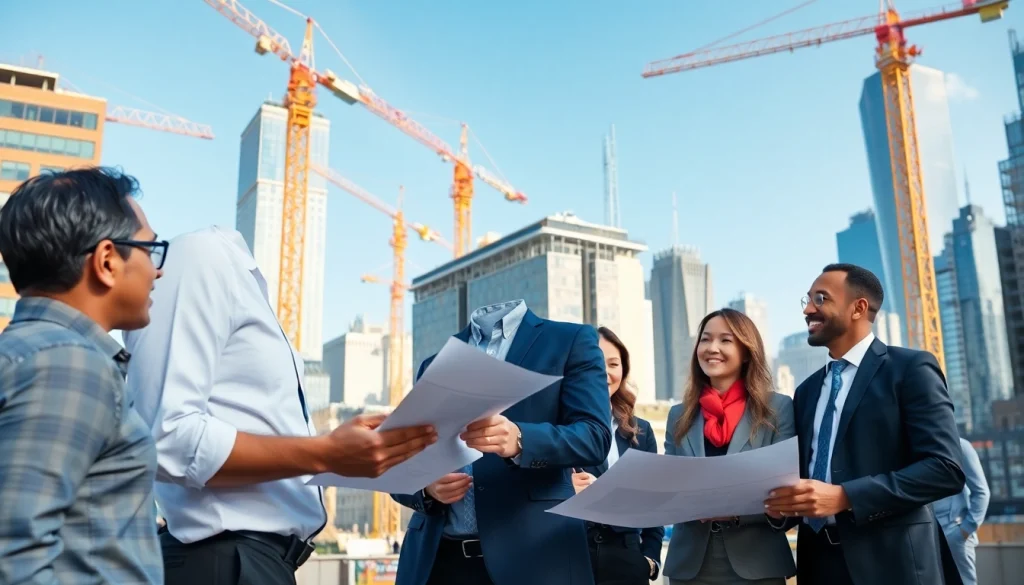
Understanding the Role of a New York City Construction Manager
The construction industry in New York City is a dynamic realm characterized by its complexity, high stakes, and myriad challenges. As urbanization intensifies, the demand for skilled professionals to oversee construction projects has become paramount. Enter the New York City Construction Manager, a crucial player ensuring projects are completed on time, within budget, and to the required standards of quality. This role not only requires technical knowledge but also a keen understanding of the unique dynamics of New York City’s construction landscape.
Defining Responsibilities in Urban Environments
The responsibilities of a construction manager in New York City go beyond simple project oversight. They play a fundamental role in pre-construction planning, procurement, scheduling, and ensuring compliance with numerous local regulations. These managers are responsible for coordinating a multitude of contractors, workers, and stakeholders, effectively managing resources while adhering to stringent timelines.
A construction manager often finds themselves juggling the following responsibilities:
- Project Planning: Developing a comprehensive project plan that outlines the scope, resources, timelines, and budget.
- Team Management: Leading and managing diverse teams comprising architects, engineers, and subcontractors to ensure project alignment with objectives.
- Compliance: Ensuring that all construction activities comply with applicable laws, regulations, and safety standards.
- Risk Management: Identifying, assessing, and mitigating risks that could potentially disrupt the project timeline or financial outlay.
Key Skills Required for Success
A successful New York City construction manager must possess a blend of technical skills and soft skills. Their ability to navigate the complexities of construction management while fostering collaborative relationships is crucial. Some of the core competencies include:
- Technical Expertise: Profound understanding of construction methodologies, materials, and engineering principles.
- Project Management Skills: Proficient in project scheduling, budgeting, and resource allocation to optimize efficiency and reduce costs.
- Communication Skills: Exceptional verbal and written communication skills are essential for negotiating contracts, liaising with stakeholders, and leading teams.
- Problem-Solving Abilities: Strong analytical skills to quickly identify and resolve issues as they arise during the construction process.
Importance of Communication and Leadership
Effective communication and leadership are at the heart of construction management success. A New York City construction manager must adeptly convey project goals, deadlines, and expectations to every member of the team while also being receptive to feedback and concerns.
Strong leadership not only inspires confidence among workers but also fosters a collaborative environment that drives productivity. Leaders in construction management must also address conflicts proactively and facilitate resolutions that support team cohesion and project advancement.
Challenges Faced by New York City Construction Managers
While the role of a construction manager is rewarding, it is often riddled with challenges unique to New York City’s urban landscape. Understanding these challenges is crucial for anyone wishing to pursue or excel in this field.
Navigating Bureaucratic Regulations
The regulatory environment in New York City is notoriously complex, with numerous agencies involved in the oversight of construction projects. This necessitates that construction managers are well-versed in local zoning laws, building codes, and safety regulations.
To navigate this bureaucratic maze effectively, construction managers must:
- Establish Strong Relationships: Building rapport with local officials and regulatory bodies can help expedite approvals and inspections.
- Stay Educated: Keeping abreast of changes to regulations and codes through continuous education and industry involvement.
Dealing with Diverse Stakeholder Expectations
New York City’s construction projects often involve various stakeholders, including property owners, investors, government entities, and community groups. Each stakeholder brings unique expectations and objectives, which can lead to conflicting interests.
Successful construction managers must adopt strategies such as:
- Stakeholder Engagement: Regular updates and open communication channels to keep stakeholders informed and engaged throughout the project lifecycle.
- Negotiation Skills: Mastering the art of negotiation to find common ground and arrive at solutions that benefit all parties involved.
Adapting to Urban Site Constraints
Urban construction sites in New York City often present unique logistical challenges such as limited space, restricted access, and proximity to existing structures. These factors demand that construction managers develop innovative solutions to mitigate site constraints.
Some strategies for overcoming these challenges include:
- Vertical Construction: Utilizing high-rise construction techniques to maximize space efficiency.
- Phased Construction: Implementing a phased approach to manage project timelines effectively while minimizing disruption to surrounding areas.
Best Practices for Effective Construction Management
To excel as a New York City construction manager, embracing best practices in construction management is essential. These practices can facilitate smoother project execution and significantly enhance the chances of success.
Implementing Project Management Tools
Utilizing advanced project management software can streamline processes, enhance communication, and increase efficiency. Tools such as Building Information Modeling (BIM) allow for improved visualization, coordination, and planning.
Key features to look for in project management tools include:
- Scheduling Capability: Features that allow for the creation of detailed project timelines and schedules.
- Collaboration Features: Tools that facilitate real-time communication and collaboration among team members.
Enhancing Safety Protocols
Safety is paramount in construction management, particularly in the densely populated urban environment of New York City. Construction managers need to implement rigorous safety protocols to minimize accidents and injuries.
Strategies for enhancing safety include:
- Regular Training: Providing ongoing safety training for all construction personnel to ensure compliance with the latest OSHA standards.
- Safety Audits: Conducting routine safety audits to identify potential hazards and implementing changes to address these risks.
Fostering Team Collaboration and Morale
A motivated and cohesive team can significantly impact the overall success of a construction project. Construction managers should focus on creating an environment where team members feel valued and engaged.
Some effective practices for fostering collaboration include:
- Team Building Activities: Organizing team-building exercises to strengthen relationships among team members.
- Recognition Programs: Implementing recognition programs that reward hard work and excellence in performance.
Case Studies: Successful Projects Managed in NYC
Examining successful construction projects in New York City can provide valuable insights and highlight the diverse capabilities of effective construction managers.
Iconic High-Rise Developments
New York City is renowned for its skyline, largely shaped by the innovative designs and engineering feats of high-rise developments. Construction managers overseeing these projects must integrate cutting-edge technology with efficient project management practices to ensure successful outcomes.
For instance, the completion of a high-rise building requires meticulous planning, from site selection to final inspections, ensuring that all aspects align with the anticipated vision while adhering to safety regulations.
Infrastructure Improvements and Innovations
Beyond high-rises, a significant amount of construction management effort in New York City focuses on infrastructural improvements, such as roadways, bridges, and transportation systems. These projects often require advanced project management and the ability to navigate complex bureaucratic processes.
A case study in urban infrastructure highlights the successful management of a major transportation upgrade, showcasing the critical role of collaboration with city planners and utility companies to minimize disruptions while maximizing access and efficiency.
Repurposing Existing Structures
As space in New York City is at a premium, repurposing existing structures is increasingly common. This involves transforming older buildings into modern spaces while preserving historical elements. Construction managers must balance creativity and compliance with stringent guidelines.
For instance, a successful repurposed building project exemplified the manager’s ability to coordinate between architects, preservationists, and contractors, ensuring the preservation of the building’s historical character while outfitting it with modern amenities.
Future Trends for New York City Construction Managers
As urbanization evolves, so too does the role of the construction manager. Keeping an eye on emerging trends is essential for construction managers to remain competitive and effective in their roles.
Embracing Sustainability in Construction
With an increasing emphasis on sustainability, construction managers must prioritize eco-friendly practices in their projects. This includes the use of sustainable materials, energy-efficient design, and waste reduction strategies to minimize environmental impact.
Moreover, leveraging sustainable practices not only appeals to environmentally conscious consumers but also often leads to long-term cost savings.
Utilizing Technology and Automation
The integration of technology in construction processes is not only beneficial but essential. From drone surveillance to advanced analytics, technology can enhance project visualization, monitoring, and management.
As automation becomes more prominent, construction managers will need to adapt, utilizing new tools and methodologies to improve productivity and efficiency.
Preparing for Changing Urban Landscapes
With constant changes in urban architecture and design, construction managers must stay ahead of trends that define modern urban living. This involves keeping a pulse on demographic shifts, lifestyle changes, and emerging architectural trends.
By proactively aligning project goals with these changes, construction managers can ensure that their projects meet the needs of future urban populations.