
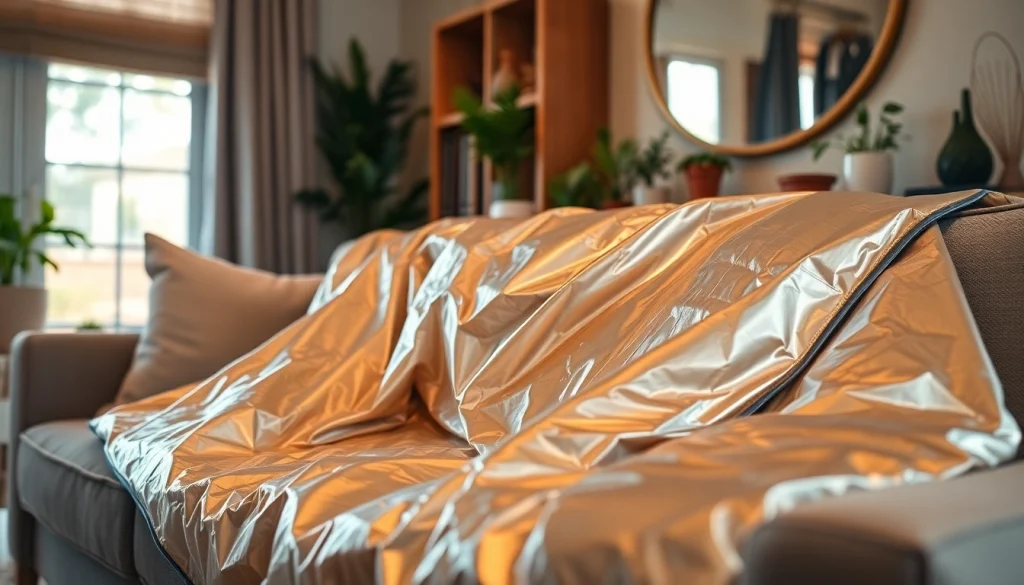
Understanding Emergency Blankets: What They Are and Why You Need One
In today’s unpredictable environment, being prepared for emergencies is crucial. Emergency blankets, often called survival blankets or thermal blankets, are essential tools for any disaster preparedness kit. Whether you’re caught in a sudden snowstorm, dealing with a car breakdown in the wilderness, or facing a natural disaster, having an emergency blanket can make a significant difference in survival. This article will explore what emergency blankets are, their uses, features to look for, and how to use them effectively. Let’s dive in!
Definition and Purpose of Emergency Blankets
An emergency blanket is a lightweight, insulated blanket designed to retain body heat, mainly in survival situations. Often made from a thin, reflective material, these blankets can save lives by preventing hypothermia in cold conditions and protecting against heat in overwhelming temperatures. Their primary purpose lies in thermal insulation, which they achieve through the use of materials that reflect up to 90% of body warmth back toward the user.
Common Uses in Various Situations
Emergency blankets are versatile tools with a variety of applications:
- Outdoor Activities: Hikers, campers, and hunters often carry emergency blankets as a safety measure against unexpected weather changes.
- First Aid: They are commonly used in first aid kits, as the blankets can help stabilize the body temperature of someone who is injured or in shock.
- Disaster Preparedness: These blankets are standard in disaster supply kits, providing essential warmth and protection during evacuations and emergencies.
- Sports and Physical Challenges: In events like marathons or triathlons, recovery blankets are provided to help athletes maintain body heat after strenuous activity.
- Automobile Emergency Kits: Keeping an emergency blanket in your car can be a lifesaver if you face a breakdown in a cold area.
Material and Design Variations
Emergency blankets come in various materials, with the most common being polyethylene. Some variations include:
- Heat Retaining Blankets: Made with Mylar or aluminum metalized layer, these versions are particularly effective in extreme cold.
- Waterproof Options: Some emergency blankets incorporate waterproof materials to serve dual purposes of insulation and weather resistance.
- Reflective & Non-Reflective Types: Reflective blankets are designed to redirect heat, while non-reflective versions prioritize privacy or shelter.
- Multi-functional Designs: Some blankets come equipped with additional features, like built-in hoods or the ability to convert into a poncho.
Key Features to Look for in an Emergency Blanket
Not all emergency blankets are created equal. When considering which one to purchase, evaluate the following vital features:
Insulation Properties and Effectiveness
The primary reason for using an emergency blanket is its ability to retain heat. The effectiveness of insulation can vary widely among products:
- Material: Look for blankets made from high-quality Mylar or similar materials that are known for their thermal efficiency.
- Temperature Ratings: Some emergency blankets provide temperature ratings; be sure to choose one suitable for your region’s climate and expected conditions.
- Multiple Layers: A blanket with multiple layers can offer increased insulation compared to single-layer models.
Portability and Weight Considerations
When venturing outdoors or preparing disaster kits, portability is essential. Consider:
- Weight: The lighter the blanket, the more convenient it is to carry in a backpack.
- Packability: Look for blankets that come with a storage pouch or can be easily folded without taking too much space.
- Size: Ensure the blanket is large enough to cover the intended user or, in cases of multiple people, consider a larger emergency blanket.
Durability and Weather Resistance
An emergency blanket should withstand various weather conditions, particularly if you’re using it outdoors:
- Water Resistance: Some emergency blankets resist moisture, making them suitable for wet conditions.
- Rips and Tears: Evaluate the material’s resistance to punctures or tears, especially for those intended for rugged use.
- Sunlight Resistance: Ultraviolet (UV) protective coatings can extend the life of emergency blankets that may be exposed to sun.
How to Properly Use an Emergency Blanket
Using an emergency blanket effectively can make a significant difference in an emergency situation. Here are some best practices to consider:
Best Practices for Deployment in the Field
Know how to deploy your emergency blanket quickly and effectively:
- Assess the Situation: Before using the blanket, assess your surroundings and the urgency of your situation. Determine if warmth, protection, or signaling is required.
- Creating a Shelter: If using the blanket for shelter, securely attach it to trees, rocks, or the ground to block wind and rain.
- Using as a Wrap: When wrapping around yourself, ensure all areas of your body are covered to minimize heat loss.
Using Emergency Blankets for Warmth vs. Shelter
Understanding when to use an emergency blanket for warmth or shelter is vital:
- Warmth: Drape the blanket over yourself like a poncho; for better insulation, layer it over other clothing.
- Shelter: Create a tent by combining several emergency blankets, thus forming a barrier against wind and rain.
Practical Tips for Storage and Maintenance
Proper storage and care can extend the life of your emergency blanket:
- Keep it Clean: Regularly check for any tears and keep the blanket clean from dirt and moisture.
- Store in a Dry Place: Moisture can degrade materials over time; choose a cool, dry spot.
- Periodic Checks: At least once a year, reassess your emergency supplies, including your blanket, to ensure functionality.
Comparing Emergency Blankets: Which One is Right for You?
With various options available, it’s essential to identify which emergency blanket suits your needs:
Top Brands and Their Offerings
Several brands stand out in the market for their quality and features:
- Survive Outdoors Longer (SOL): Well-known for their durable outdoor gear, they offer a range of highly insulated emergency blankets.
- Grabber Outdoors: Their fleece-lined emergency blankets provide extra comfort while maintaining excellent thermal properties.
- Adventure Medical Kits: This brand emphasizes multi-functionality with blankets that also serve as ponchos or tarps.
Pros and Cons of Different Types
Selecting an emergency blanket can involve weighing various options:
- Reflective vs. Non-Reflective: Reflective blankets provide superior warmth but can also cause overheating if used incorrectly in hot weather.
- Single Layer vs. Multiple Layers: Multiple-layer blankets offer better insulation but tend to be bulkier.
- Waterproof Options: While more versatile, they may be heavier or less packable.
User Reviews and Ratings Analysis
Reading user reviews can shed light on real-world effectiveness:
- Performance: Many users share stories about how emergency blankets helped them retain warmth during unexpected situations.
- Durability: Reviews often highlight the longevity of certain brands, particularly regarding puncture resistance.
- Ease of Use: Users frequently note the practicality of carrying and deploying their emergency blankets in extreme conditions.
Frequently Asked Questions About Emergency Blankets
How to Care for Your Emergency Blanket?
To keep your emergency blanket in top condition, clean it only as recommended by the manufacturer. This will typically involve spot cleaning with a damp cloth and allowing it to dry thoroughly to avoid mold and mildew.
Can You Reuse Emergency Blankets?
Yes, many emergency blankets are designed for multiple uses; however, wear and tear can affect performance. Evaluate its condition before each use, replacing it if necessary.
Where to Buy Quality Emergency Blankets?
You can find high-quality emergency blankets at sporting goods stores, outdoor specialty shops, or reliable online retailers. Always check product specifications and user ratings to ensure you choose a reliable option.