
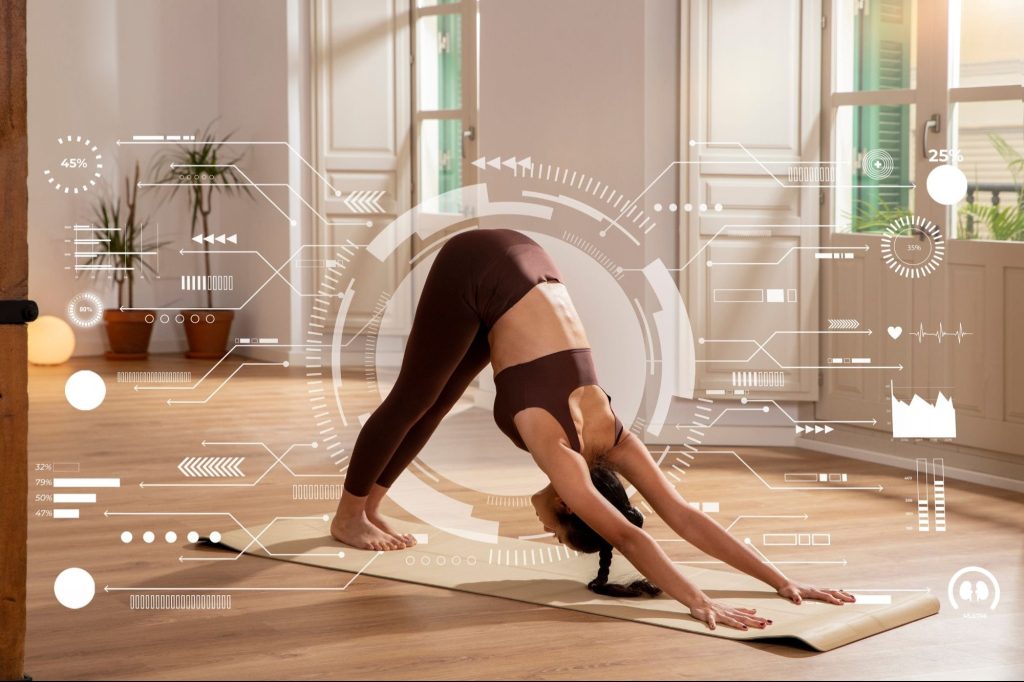

Introduction to Yoga Teacher AI
The integration of technology in various fields has led to transformative changes, and the realm of yoga is no exception. Yoga Teacher AI simplifies the teaching and learning process, enabling both students and instructors to maximize their potential. This article delves into the concept of Yoga Teacher AI, exploring its benefits, challenges, its workings, case studies, and future trends.
What is Yoga Teacher AI?
Yoga Teacher AI refers to the application of artificial intelligence technology in yoga instruction and practice. By leveraging AI algorithms, this innovative approach aims to enhance the yoga experience for both instructors and practitioners. From personalized instruction to feedback systems, Yoga Teacher AI encompasses a variety of tools that assist in yoga teaching, making it more accessible and effective.
Benefits of AI in Yoga Instruction
Implementing AI in yoga instruction offers numerous benefits:
- Personalization: AI can analyze individual user data to tailor yoga sequences and instructions specific to personal needs and capabilities.
- Accessibility: With AI tools, individuals can practice yoga anytime, anywhere, making yoga more accessible to diverse populations.
- Feedback Mechanisms: Real-time feedback from AI can help practitioners correct their postures, enhancing their practice safety and effectiveness.
- Content Creation: AI tools can assist yoga instructors in creating class plans, sequences, and promotional materials efficiently, reducing burnout.
- Tracking Progress: AI can provide insights on progress, helping users stay motivated and committed to their yoga journey.
Challenges and Considerations
While the benefits of Yoga Teacher AI are compelling, several challenges must be acknowledged:
- Reliance on Technology: Users may become overly dependent on AI tools, potentially detracting from the authentic experience of yoga.
- Data Privacy: Collecting and analyzing user data raises concerns about privacy and the ethical use of information.
- Quality of Feedback: The effectiveness of feedback relies heavily on the accuracy of algorithms; poor algorithms can lead to negative outcomes.
- Training for Instructors: Instructors may need additional training to seamlessly integrate AI tools into their traditional teaching methods.
How Yoga Teacher AI Works
Understanding AI Algorithms for Yoga
The AI algorithms utilized in Yoga Teacher AI are designed to assess various parameters, such as posture, efficiency, and engagement. By analyzing data collected from sensors, apps, or video inputs, these algorithms can provide tailored recommendations for practitioners. For example, leveraging deep learning techniques enables the AI to identify common poses, offering feedback based on a user’s form against ideal postures.
Personalization in Yoga Practices
AI enhances personalization by collecting data on users’ past practices, preferences, and progress. For instance, if a user struggles with balance poses, the AI can prioritize stability-building exercises in their sequence. This adaptability ensures that each individual’s experience is uniquely crafted, increasing the likelihood of improvement and satisfaction.
The Role of Data in AI Applications
Data plays a crucial role in the effectiveness of Yoga Teacher AI. The more data an AI system processes, the better it can tailor suggestions. Data can come from various sources, including wearable fitness trackers, mobile applications, and user input. By analyzing this data, AI systems can refine their models, leading to better user experiences and outcomes.
Implementing Yoga Teacher AI in Training
Choosing the Right AI Tools
To effectively implement Yoga Teacher AI, instructors should prioritize selecting tools that fit their teaching styles and the needs of their students. Options range from AI-driven scheduling software to those providing real-time feedback on poses. Consideration of user-friendliness, support systems, and integration capabilities with existing platforms is essential.
Training and Support for Instructors
Instructors must receive adequate training on AI tools to make the most of these technologies. Workshops, webinars, and peer discussions can facilitate the learning curve. Continuous support should also be provided to address challenges encountered during the integration process, allowing instructors to feel confident in applying AI in their classes.
Integrating AI into Existing Programs
Seamless integration of Yoga Teacher AI into existing training programs requires thoughtful planning. Instructors should start by incorporating AI tools gradually, testing their effectiveness on a small scale before full implementation. This phased approach allows for feedback collection and adjustments based on participant experiences.
Case Studies of Yoga Teacher AI in Action
Success Stories and Testimonials
Various yoga studios and practitioners have successfully integrated Yoga Teacher AI into their routines. Feedback has highlighted improved student engagements, reduced workloads for instructors, and enhanced practice personalization. Student testimonials emphasized the motivation found through tailored recommendations and progress tracking.
Comparative Analysis of AI Methods
Comparing different AI methods and applications in yoga focuses on their effectiveness and user reception. Some tools excel at providing immediate feedback, while others prioritize content generation or community interactions. It’s essential to assess which AI methods align best with desired outcomes for both instructors and practitioners.
Lessons Learned from Implementation
Common lessons learned from implementing Yoga Teacher AI include the necessity of clear communication within educational environments. Instructors should articulate the purpose and functionality of AI tools to alleviate concern among students. Additionally, refining algorithms based on user feedback has proven beneficial in improving the overall experience.
Future Trends in Yoga and AI
The Evolving Relationship of Yoga and Technology
The relationship between yoga and technology is evolving rapidly, with AI at the forefront. As practitioners increasingly seek convenience and tailored experiences, technology will continue to shape the future of yoga instruction. This evolution will promote broader participation and interest in mindful practices.
Potential for Growth and Innovation
The potential for growth and innovation in the field of Yoga Teacher AI is immense. Future technologies may encompass virtual reality environments for immersive training sessions, automated systems for personalized sequences based on mood analysis, and machine learning algorithms that adapt to community trends.
Preparing for a Tech-Enabled Yoga Community
As the yoga community prepares for increased tech integration, it’s crucial to establish a balance. Educators should advocate for a holistic approach, ensuring that technology complements traditional practices. Engaging in discussions around ethical data usage and the importance of human connection will help maintain integrity within the practice.
Frequently Asked Questions
What is the role of AI in yoga?
AI enhances yoga by providing personalized recommendations, real-time feedback, and helping instructors create tailored programs for their students.
Can AI replace human yoga instructors?
No, AI can’t replace the human touch in yoga instruction but can assist in tailoring individual experiences and managing administrative tasks.
Is Yoga Teacher AI suitable for beginners?
Yes, Yoga Teacher AI is ideal for beginners, as it provides personalized guidance and helps users learn at their own pace while ensuring safety.
How does AI track my progress in yoga?
AI tracks progress via data collected from physical inputs such as wearable devices or app interactions, allowing it to give personalized feedback.
Are there any risks to using AI in yoga?
Potential risks include over-dependence on technology and privacy concerns regarding personal data, which must be managed thoughtfully.