
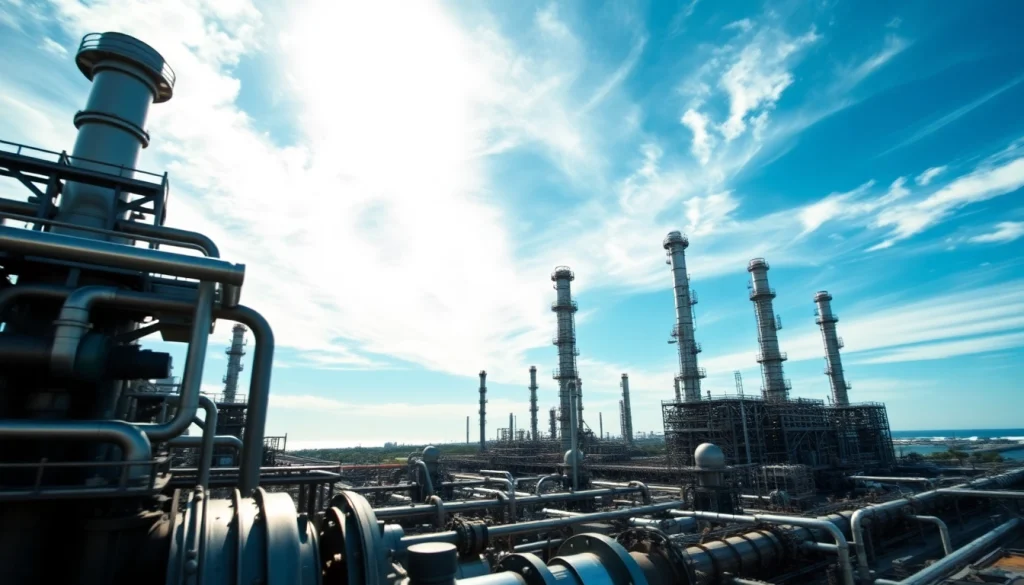
Introduction to Refineries
Refineries are pivotal in the transformation of raw materials into essential products, playing a vital role in various industries. From crude oil being converted into gasoline and diesel to sugar being refined into consumable sweeteners, refineries constitute a complex nexus of engineering, chemistry, and economics. Understanding the foundation, operational processes, and the economic impact of these facilities is crucial for anyone involved or interested in industrial processes.
What are Refineries?
A refinery is an industrial facility that processes raw materials through various chemical engineering unit processes and operations. These facilities are designed for efficiency and sustainability, handling substantial volumes of materials to produce a wide array of products. The primary types of refineries include oil refineries, sugar refineries, and biorefineries, each tailored to their respective inputs and outputs.
The Importance of Refineries in Industry
Refineries serve critical functions in the global supply chain. They enable the conversion of crude materials into usable products, fulfilling market demands across different sectors. Their significance is particularly evident in the petroleum industry, where oil refineries process crude oil to yield fuels vital for transportation and energy production. Additionally, sugar and biorefineries contribute significantly to food production and renewable energy sources, respectively, emphasizing the diverse roles refineries play in modern economies.
Key Processes in Refining
Refining involves various processes tailored to the nature of the raw materials and the desired final products. Some of the key processes in refining include distillation, filtration, cracking, and reforming. Distillation separates mixtures based on boiling points, while cracking breaks down heavier hydrocarbons into lighter products. Each process must be finely tuned for efficiency and output quality, underscoring the complexity of refinery operations.
Types of Refineries
Petroleum Refineries
Petroleum refineries are perhaps the most recognized type of refineries, converting crude oil into a range of products, including gasoline, diesel fuel, heating oil, and jet fuel. The process begins with distillation, where crude oil is separated into different fractions, followed by further refining through processes such as hydrocracking and alkylation to produce high-purity fuels.
Sugar Refineries
Sugar refineries process raw sugar cane or sugar beets to extract and refine sugar for consumption. The process includes washing, slicing, extraction, filtration, and crystallization, ultimately producing white sugar or brown sugar, depending on the level of processing. Sugar refining plays a crucial role in food production and contributes to the economy of agricultural regions.
Biorefineries
Biorefineries emerge as sustainable alternatives, converting biomass into energy, chemicals, and materials. They leverage the composition of organic materials derived from plants to produce biofuels, bioplastics, and other bio-based products. This innovative approach not only reduces reliance on fossil fuels but also aids in waste management and environmental sustainability.
How Refineries Operate
Main Operational Processes
The operation of refineries is defined by a series of interconnected processes facilitating the conversion of raw materials. Key operational processes include:
- Distillation: Separating different components of crude oil based on boiling point.
- Cracking: Breaking down complex hydrocarbons into lighter, more valuable products.
- Reforming: Altering the molecular structure of hydrocarbons to enhance fuel quality.
- Treating: Removing impurities to ensure product compliance with safety standards.
Energy Efficiency in Refineries
Energy efficiency is a significant concern for refineries, given their high energy consumption. Many modern refineries implement advanced technologies that allow for greater energy recovery and reduced carbon footprints. Techniques such as heat integration, optimization of process parameters, and utilization of alternative energy sources are vital strategies in enhancing efficiency and sustainability.
Environmental Considerations
With the growing emphasis on sustainability, refineries must address environmental concerns proactively. Measures include waste minimization, pollution control technologies, and transitioning to greener processes, such as using renewable energy sources and capturing carbon emissions. Integrating these practices not only adheres to regulations but also improves the long-term viability of refinery operations.
Refineries and the Economy
The Economic Impact of Refineries
Refineries significantly contribute to local and international economies by creating jobs, generating tax revenues, and providing essential products. They directly employ thousands of individuals across various job categories, from operational roles to administrative positions, thus bolstering local economies. Moreover, the products refined fuel other industries, including transportation, heating, and manufacturing, amplifying their economic impact.
Job Opportunities in Refineries
Career opportunities in refineries are diverse and cater to a range of qualifications. Positions can range from refinery operators and engineers to environmental specialists and health and safety managers. With the complexity of refinery operations, employers seek individuals with specialized skills and training, making refinery jobs competitive yet rewarding. Continuous education and training are essential to remain relevant and advance in this sector.
Trends in Refinery Operations
The refinery industry is witnessing numerous trends driven by technological advancements, regulatory changes, and market dynamics. Enhanced automation, digitization, and the adoption of artificial intelligence are shaping modern refinery operations, creating a more efficient and responsive environment. Additionally, as the global market shifts toward sustainable energy solutions, refineries are increasingly incorporating biofuels and renewable sources into their product lines.
The Future of Refineries
Technological Innovations
Future advancements in refinery technology promise enhanced efficiency and lower environmental impact. Innovations such as digital twins, IoT sensors, and advanced data analytics allow for improved process monitoring, predictive maintenance, and optimized operations. These technologies not only streamline operations but also reduce the reliance on manual interventions, ensuring consistent performance.
Sustainability in Refining
As sustainability becomes a priority, refineries are adapting to meet new market demands and regulatory requirements. This involves embracing practices that reduce greenhouse gas emissions, improve waste management, and explore alternative feedstocks. A concerted effort towards sustainability can transform refineries into environmentally responsible facilities, creating a competitive advantage in a changing energy landscape.
Global Shifts in Refinery Demand
The global demand for refined products is experiencing shifts as economies develop and regulations evolve. Emerging markets are driving the need for more refineries, while developed nations are focusing on upgrading existing facilities to respond to stricter environmental standards. Additionally, geopolitical factors and international trade policies can influence refinery operations, necessitating agility and foresight among industry players.
Frequently Asked Questions
What processes are involved in refining crude oil?
The primary processes involved in refining crude oil include distillation, cracking, reforming, and treating. Each process serves a unique purpose in transforming crude oil into various fuels and products.
Why are refineries important?
Refineries convert raw materials, such as crude oil and sugar, into essential products that fuel economies and meet consumer demands in transportation, manufacturing, and food production.
What types of jobs are available in a refinery?
Job opportunities in a refinery include refinery operators, engineers, environmental specialists, and health and safety managers, each requiring different skill sets and qualifications.
How is energy efficiency achieved in refineries?
Energy efficiency in refineries is achieved through advanced technologies, heat recovery systems, and optimizing process parameters that reduce energy consumption and minimize emissions.
What are biorefineries?
Biorefineries convert biomass into energy, chemicals, and materials, leveraging organic materials to produce renewable fuels and sustainable products, helping reduce fossil fuel reliance.