Identifying Anxiety Symptoms
Anxiety can manifest in various ways, often leading individuals to question whether they are experiencing typical stress or something more severe. Recognizing anxiety symptoms is essential for timely management and intervention. This section delves into the primary categories of anxiety symptoms, helping you gain a clearer understanding of this common mental health challenge.
Common Behavioral Anxiety Symptoms
Behavioral symptoms of anxiety are visible actions or patterns that may indicate internal distress. Common behavioral anxiety symptoms include:
- Avoidance behavior: Individuals may avoid certain places, people, or situations that trigger anxiety.
- Restlessness: A person might find it hard to sit still or relax, often exhibiting fidgeting behaviors.
- Seeking reassurance: Frequent requests for comfort or validation from others to ease anxiety.
- Withdrawal: Distancing oneself from social engagements or interactions to minimize stress triggers.
Being aware of these behaviors can enable individuals and loved ones to take the necessary steps toward addressing and managing the underlying anxiety.
Physical Anxiety Symptoms to Recognize
Physical anxiety symptoms manifest as bodily sensations that can be alarming. These symptoms include:
- Heart palpitations: Feeling your heart race or pound loudly in your chest.
- Sweating: Excessive perspiration, often unrelated to temperature or physical exertion.
- Trembling or shaking: Muscle tremors that may be subtle or noticeable.
- Gastrointestinal issues: Nausea, digestive upset, or a feeling of tightness in the stomach.
- Headaches: Frequent tension headaches or migraines can also be anxiety-related.
Understanding these symptoms is crucial, especially when they affect daily functioning and overall quality of life.
Emotional and Cognitive Anxiety Symptoms
Emotional and cognitive symptoms reflect the mental state of individuals experiencing anxiety. Common manifestations include:
- Persistent worry: Constantly feeling anxious about future events or the possibility of negative outcomes.
- Difficulty concentrating: Struggling to focus or make decisions due to overwhelming thoughts.
- Feelings of dread: Experiencing a sense of panic or impending doom without a clear cause.
- Emotional numbness: Feeling detached from oneself or one’s surroundings is a common defense mechanism.
These symptoms emphasize the impact anxiety can have on mental clarity and emotional resilience.
The Impact of Anxiety Symptoms on Daily Life
Unmanaged anxiety symptoms can ripple through various aspects of an individual’s life. This section addresses how anxiety affects daily activities, emotional well-being, and interpersonal relationships.
Social Interactions and Relationships
Anxiety can significantly impede social interactions, leading to strained relationships. Some implications include:
- Isolation: Individuals may withdraw from family and friends for fear of judgment or misunderstanding.
- Miscommunication: Anxiety can lead to misunderstandings and assumptions that harm relationships.
- Dependency: An excessive need for reassurance can burden close relationships, making it difficult for loved ones.
Addressing social anxiety through open communication with loved ones is vital for relationship maintenance and personal growth.
Professional Performance and Productivity
The workplace can serve as a breeding ground for anxiety, affecting job performance. Common challenges include:
- Difficulty meeting deadlines: Anxiety may lead to procrastination or overwhelming pressure to perform.
- Conflict with colleagues: Stress can manifest as impatience or irritability, creating workplace tensions.
- Fear of evaluation: Anxiety regarding performance reviews or presentations can hinder career advancement.
Recognizing these implications can pave the way for developing effective workplace strategies that manage anxiety.
Physical Health Consequences
Prolonged anxiety may lead to severe physical health issues, underscoring the need for a holistic approach. Health consequences can include:
- Chronic fatigue: Constant anxiety can drain energy levels and lead to burnout.
- Suppressed immune system: Long-term anxiety exposure can weaken the immune response to illness.
- Cardiovascular issues: Increased heart rate and blood pressure can heighten risks of heart disease.
Addressing anxiety symptoms early can facilitate healthier lifestyle choices, ultimately boosting overall well-being.
Effective Coping Strategies for Anxiety Symptoms
Developing effective coping strategies is paramount for managing anxiety. This section outlines several approaches that individuals can leverage to reduce the impact of anxiety symptoms on their lives.
Meditation and Mindfulness Techniques
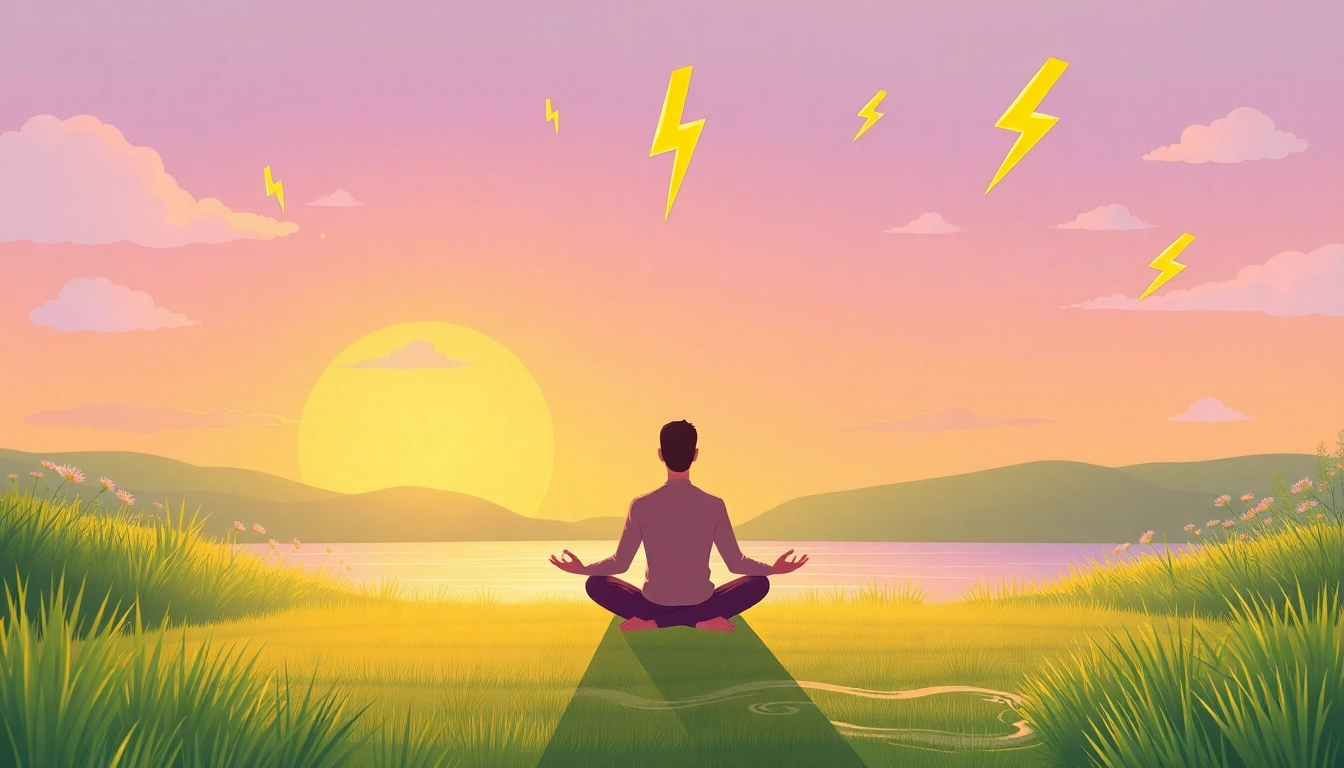
Meditation and mindfulness are powerful tools in anxiety management. Some beneficial practices include:
- Deep breathing exercises: Focus on inhaling and exhaling slowly to promote relaxation.
- Guided imagery: Visualizing calming scenes can create a sense of peace and tranquility.
- Mindfulness meditation: Observing thoughts and feelings without judgment helps ground individuals in the present moment.
Implementing these techniques regularly can significantly diminish feelings of anxiety and enhance overall emotional resilience.
Physical Exercises to Alleviate Symptoms
Engaging in physical activity not only improves physical health but also alleviates anxiety symptoms. Effective exercises include:
- Yoga: Combining physical movement with breath control promotes relaxation and reduces tension.
- Aerobic exercises: Activities such as running or cycling can release endorphins, enhancing mood.
- Strength training: Building physical strength can also boost self-esteem, aiding in anxiety management.
Incorporating regular exercise into one’s routine can progressively improve mood and mental health, creating lasting benefits.
Professional Help: When and Why to Seek It
While self-management techniques are helpful, professional support is often essential. Consider seeking help when:
- Symptoms are overwhelming: When anxiety disrupts everyday functioning.
- Self-help methods are ineffective: Persisting issues warrant professional intervention.
- Fears escalate: Increasing worries may require therapeutic strategies guided by professionals.
A qualified mental health professional can provide tailored strategies that assist in overcoming anxiety challenges effectively.
Long-term Management of Anxiety Symptoms
Long-term strategies for managing anxiety symptoms are critical for sustained mental health improvement. This section discusses lifestyle changes and support networks that can foster resilience over time.
Developing Healthy Lifestyle Habits
Creating and maintaining healthy habits can play a significant role in reducing anxiety symptoms. Recommended practices include:
- Balanced diet: Consuming whole foods rich in vitamins and minerals can enhance mood stability.
- Sufficient sleep: Prioritizing 7-9 hours of restful sleep is vital for mental clarity and emotional stability.
- Limiting caffeine and alcohol: Reducing substances that can exacerbate anxiety will yield benefits over time.
Implementing these habits can contribute to a holistic approach to anxiety management and general well-being.
Building a Supportive Community
A supportive network can provide encouragement and understanding essential for managing anxiety. You can foster this environment by:
- Joining support groups: Engaging with others facing similar challenges can alleviate feelings of isolation.
- Seeking constructive feedback: Lean on trusted friends for insight and support.
- Participating in shared activities: Group exercises or social outings can strengthen bonds and reduce anxiety levels.
Building connections within a supportive community can be a cornerstone in overcoming anxiety challenges.
Regular Monitoring and Adjustment of Strategies
Finally, ongoing assessment of anxiety management strategies is vital for personal growth. Consider these practices:
- Journaling: Documenting thoughts and feelings can highlight triggers and progress in managing anxiety.
- Consulting professionals: Regular check-ins with therapists or counselors help refine management approaches.
- Setting achievable goals: Continuously adjusting and evaluating personal goals fosters accountability and motivation.
Regular monitoring allows for timely adjustments, ensuring that your strategies remain effective in the long run.
Frequently Asked Questions about Anxiety Symptoms
What are the most common anxiety symptoms?
The most prevalent anxiety symptoms include excessive worry, restlessness, fatigue, difficulty concentrating, and physical sensations like increased heart rate and sweating.
How can I manage anxiety symptoms at home?
Home management techniques include practicing meditation, regular physical exercise, maintaining a healthy diet, and creating a structured daily routine.
When should I seek professional help for anxiety symptoms?
If anxiety symptoms become overwhelming, affect daily functioning, or persist despite self-help strategies, consider seeking professional guidance for support and treatment.
Are anxiety symptoms the same for everyone?
No, anxiety symptoms can vary widely between individuals. Factors such as personal experience, background, and specific fears contribute to unique symptom profiles.
How do lifestyle changes impact anxiety symptoms?
Lifestyle changes such as better nutrition, regular exercise, and improved sleep can significantly reduce anxiety symptoms, promoting overall mental health and resilience.