Introduction to Interior Wall Paneling
Interior wall paneling is a transformative solution that brings style and functionality to any room. It can enhance insulation, create an aesthetic appeal, and provide additional texture to flat surfaces. Homeowners and designers alike are revisiting this classic trend, integrating modern techniques and materials to achieve a variety of looks. Whether you're interested in a rustic farmhouse atmosphere or a sleek modern finish, interior wall paneling offers diverse options that meet your design needs.
Understanding What Interior Wall Paneling Is
Interior wall paneling refers to the practice of covering interior walls with wood, synthetic materials, or tiles to improve both aesthetics and functionality. From wooden planks to vinyl sheets, these panels can be installed directly onto the wall studs or existing drywall. They come in various designs, colors, and textures, making them a versatile medium in both residential and commercial spaces.
Benefits of Using Interior Wall Paneling
The benefits of interior wall paneling are multi-faceted:
- Aesthetic Appeal: Wall paneling can dramatically change the atmosphere of a room.
- Insulation: Paneling adds insulation value, helping to maintain temperature and reduce energy costs.
- Durability: Many paneling materials are highly resistant to wear and tear.
- Easy Installation: Many types of wall paneling are designed for simple installation, making DIY projects feasible.
- Low Maintenance: Paneling is often easy to clean and maintain compared to painted walls.
Popular Materials Used in Interior Wall Paneling
Several materials are commonly used for interior wall paneling:
- Wood: Offers a natural and timeless look.
- Vinyl: Lightweight and available in various colors and styles, making it a versatile choice.
- MDF (Medium-Density Fiberboard): Cost-effective and can be easily painted or stained.
- Particle Board: An economical alternative that can mimic wood textures.
- Wall Tiles: Often used for accent walls, they come in ceramic, glass, and stone formats.
Types of Interior Wall Paneling
Wood Paneling: Timeless Elegance
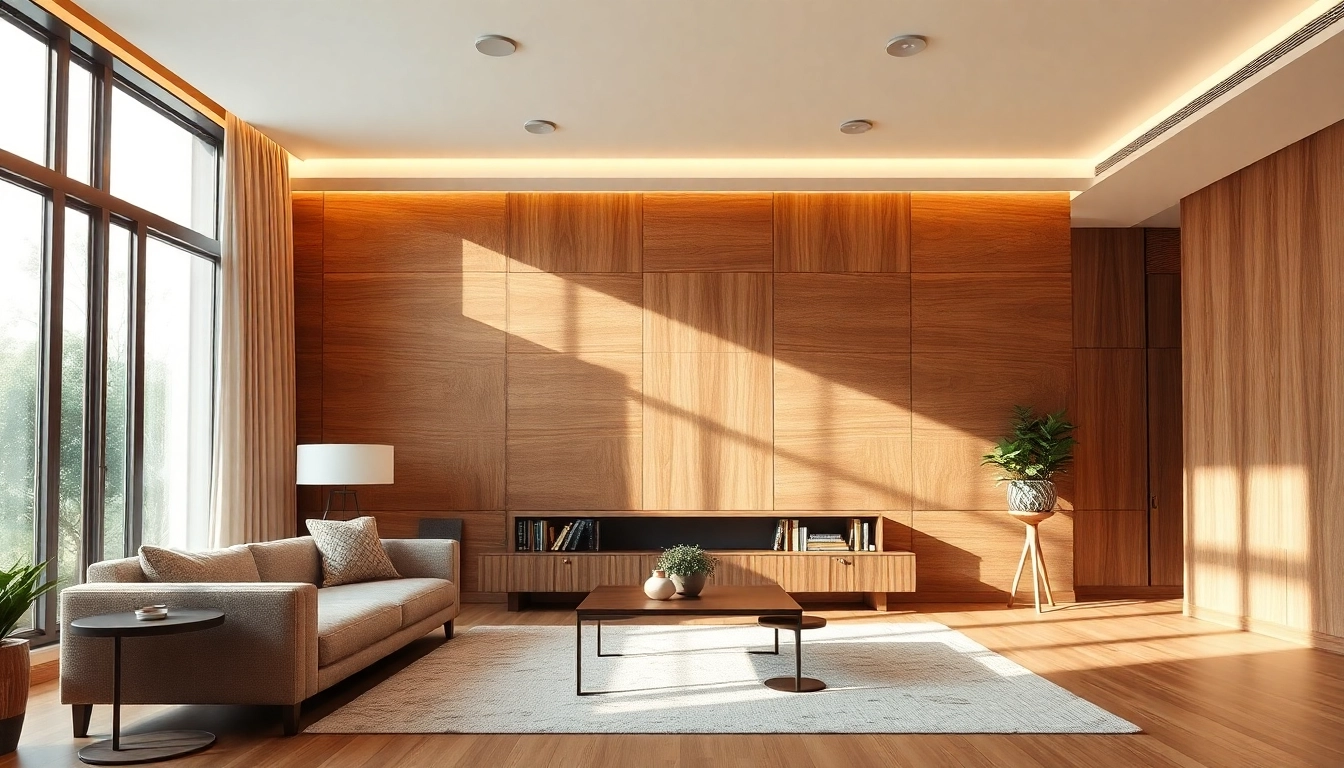
Wood paneling exudes elegance and warmth, making it a timeless choice for interior spaces. Common wood types include oak, pine, and cedar, which offer various looks depending on finish and pattern. Wood can be installed in various styles, such as tongue-and-groove or shiplap, each providing a unique aesthetic. Wood paneling can be stained to enhance grain patterns or painted for a more contemporary look.
Vinyl Paneling: Durable and Versatile
Vinyl paneling has gained popularity due to its low cost and wide range of styles. It is water-resistant, easy to clean, and ideal for areas with high humidity or moisture, like bathrooms or kitchens. Available in designs mimicking natural materials, such as wood or stone, vinyl paneling allows homeowners to achieve the desired effect without the maintenance that natural materials require.
3D Paneling: Unique Visuals
3D wall panels create striking visual effects that can serve as focal points or accent walls within a space. These panels are typically made from lightweight materials like polyurethane or MDF and feature raised patterns that add depth and texture to walls. They can be painted or left in their natural state to complement various design themes from modern to industrial.
Design Ideas for Interior Wall Paneling
Accent Walls: Making a Statement
One of the most effective ways to utilize wall paneling is through accent walls. This involves covering one wall with paneling while leaving the others in a different texture or color, creating a focal point without overwhelming the space. An accent wall in wood paneling can make a room feel warm and inviting, while bold vinyl paneling can lend a contemporary edge.
Textured Walls: Adding Depth and Interest
Textured walls can elevate a room’s appearance, creating visual interest and depth. This can be achieved by combining different materials or finishes, such as pairing smooth vinyl paneling with rough-hewn wood. Incorporating various textures can also affect how light interacts with the surfaces, enhancing the overall ambiance.
Integrating Color: Painting vs. Natural Finish
Choosing whether to paint paneling or maintain its natural finish is critical in achieving the desired look. While natural wood paneling can highlight the beauty of the grain, painting can provide a fresh, modern touch. Light colors can help a space feel larger, while dark tones can create an intimate atmosphere. The selection between painting or finishing depends heavily on the room's usage and aesthetic goals.
Installation Tips for Interior Wall Paneling
Preparation: Choosing the Right Location
Before installation, consider the room's purpose, moisture levels, and existing walls. Locations like living rooms, dining areas, and game rooms can exhibit character with paneling, while kitchens and bathrooms require moisture-resistant materials. Ensure any surface where the paneling will be installed is clean, dry, and level.
Tools and Materials Needed for Installation
For successful wall paneling installation, gather essential tools and materials, including:
- Stud finder
- Level
- Tape measure
- Utility knife
- Drill and screws
- Adhesive (if required)
- Safety gear (gloves, goggles)
Step-by-Step Guide to Installing Panels
Installing wall paneling can be a rewarding DIY project when done correctly. Here’s a simplified step-by-step guide:
- Measure and Cut: Measure wall sections and cut panels to size, accommodating for outlets and fixtures.
- Locate Studs: Use a stud finder to mark the positions of wall studs with a pencil.
- Start Installation: Begin from the bottom corner of the wall, ensuring the first panel is level.
- Attach Panels: Secure panels with screws or adhesive, working sequentially across the wall.
- Finishing Touches: Once installed, seal edges, apply molding where needed, and complete with paint or stain if desired.
FAQs about Interior Wall Paneling
What is the Best Material for Interior Wall Paneling?
The best material often depends on your needs. Wood provides warmth and elegance, while vinyl offers durability and low maintenance. Choose materials based on aesthetics, cost, and location in your home.
Can I Install Interior Wall Paneling Myself?
Yes, many types of wall paneling are designed for easy installation, making DIY options feasible. Just ensure you have the right tools and follow the manufacturer’s instructions for best results.
How to Maintain and Clean Interior Wall Paneling?
Regular cleaning can involve dusting or wiping with a damp cloth. Avoid harsh chemicals. For painted panels, touch up as necessary to keep the appearance fresh. Vinyl and laminate require minimal upkeep.
Are There Budget-Friendly Options for Interior Wall Paneling?
Absolutely! There are several budget-friendly materials available, like MDF and vinyl that can mimic more expensive wood options while maintaining aesthetic appeal.
What Styles of Interior Wall Paneling Are Trending?
Currently, shiplap, reclaimed wood, and bold geometric patterns in 3D paneling are trending. These styles add character and modern touch to spaces, appealing to various design preferences.