Understanding Tailor Made Bespoke Suits
In the world of men's fashion, few garments command as much respect and admiration as Tailor made bespoke suits. These suits epitomize the pinnacle of craftsmanship, individuality, and style, representing bespoke tailoring's rich heritage and meticulous attention to detail. To truly grasp the allure of tailor made bespoke suits, we must explore what distinguishes them from conventional options, the bespoke process itself, and the myriad benefits they offer to discerning gentlemen.
What Sets Tailor Made Bespoke Suits Apart?
Understanding the fundamental differences between bespoke and off-the-rack suits is essential. A tailor made bespoke suit is crafted uniquely for an individual, based on their precise measurements and preferences. Unlike ready-to-wear options, these suits aren't just a matter of size; they are tailored from scratch, allowing for customization in every aspect—from fabric and color to style details such as lapels, pockets, and lining.
Furthermore, bespoke suits undergo multiple fittings throughout the creation process, ensuring that each piece provides a perfect fit. This meticulous attention ensures that the suit not only complements the wearer’s physique but also enhances their overall appearance and confidence.
The Bespoke Process Explained
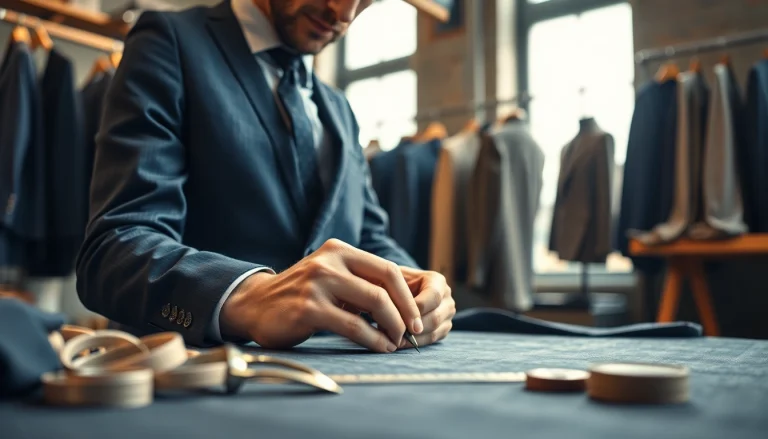
The journey to acquiring a tailor made bespoke suit is an experience in itself. The process typically begins with a consultation, where the client meets the tailor to discuss their needs, preferences, and the occasion for which the suit is intended. During this initial meeting, the tailor will take numerous measurements and recommend suitable fabrics based on the client’s lifestyle, style, and budget.
Once the design and fabric are agreed upon, the tailoring begins. The suit is constructed using a unique pattern created specifically for the wearer. This is followed by several fitting sessions where the tailor makes adjustments. These fittings are crucial as they allow for refinement and changes to ensure that the suit fits like a glove.
Benefits of Tailor Made Bespoke Suits
The advantages of investing in a tailor made bespoke suit are manifold. Firstly, the fit is unparalleled—giving the wearer a distinctive silhouette that enhances their body shape. Secondly, the materials used are typically of superior quality compared to mass-produced options, offering greater breathability, comfort, and durability.
Moreover, bespoke suits provide an unparalleled level of personalization. From the choice of fabric and lining to trims and stitching, every aspect reflects the wearer’s personal style. This attention to detail is not only aesthetically pleasing but also empowers individuals with the confidence that they are wearing something truly unique.
Choosing the Right Fabric for Your Suit
The choice of fabric plays a significant role in the overall look and feel of a tailor made bespoke suit. Understanding the types of fabrics available, their quality, and how they impact fit is essential for making an informed decision.
Types of Fabrics Used in Bespoke Suits
Bespoke suits are typically crafted from a variety of high-quality materials, including wool, cashmere, and silk. Wool is the most common choice due to its versatility, durability, and breathability. Within wool, several grades exist—ranging from lightweight options for summer suits to heavier varieties for winter.
Cashmere offers unmatched softness and warmth, making it an excellent choice for those desiring a luxurious feel. Additionally, blends such as wool-silk or wool-linen are popular, combining the best properties of each material to create a unique texture and appearance.
Fabric Quality and Its Implications on Fit
Higher quality fabrics not only enhance the look of the suit but also affect its fit. Fabrics of superior craftsmanship typically have a better drape and structure, resulting in a more flattering profile. The weave and thickness of the fabric also influence how the suit feels on the body and how it moves when worn.
When selecting fabrics, clients should consider their comfort and the climate. A lighter fabric may be preferable for warm weather, while heavier options might be ideal for cooler months.
Personalizing Your Fabric Selection
Choosing the right fabric isn't just about quality; it's about personal expression. Clients have the freedom to select from an extensive array of colors, patterns, and textures. Whether one prefers a classic pinstripe, a contemporary check, or a solid hue, the fabric can reflect personal style and preference.
Additionally, clients can personalize details such as linings, buttons, and stitching colors to further accentuate their suit. This level of personalization distinguishes bespoke suits from other options, ensuring that wearers feel entirely comfortable and unique.
Fitting Your Tailor Made Bespoke Suit
The fitting process is a cornerstone of bespoke tailoring. It is during the fittings that the client's individual physique is transformed into a perfectly tailored garment.
Understanding the Fitting Process
The fitting process typically consists of three stages: the initial fitting, the second fitting, and the final fitting. The initial fitting often uses a basted fitting, where the suit is constructed but only loosely stitched together. This allows for easier adjustments based on the client's feedback.
The second fitting incorporates adjustments from the initial session, while the final fitting ensures everything is perfect before the suit is completed. This iterative process guarantees precision, making sure that every detail aligns with the client's vision.
Common Issues and Adjustments Made
Common fit issues include shoulder alignment, sleeve length, and overall garment length. Tailors may recommend adjustments such as altering the shoulder seam for a more comfortable fit or adjusting sleeve length for optimal proportions. Overall, it is a collaboration between the client and tailor to achieve the best possible result.
Importance of Multiple Fittings
Many clients appreciate the necessity of multiple fittings, which are integral to achieving perfection. Each fitting allows the client to experience their suit at various stages, ensuring comfort and satisfaction with the final product.
The bespoke process is not rushed; it respects that true craftsmanship requires time and dedication. The perceived wait becomes worthwhile once the client finally dons their exquisitely tailored suit.
Styles and Trends in Bespoke Tailoring
As fashion continues to evolve, so do the styles and trends surrounding bespoke tailoring. Tailors must stay ahead of the curve while incorporating classic elements that endure through time.
Popular Styles for Tailor Made Bespoke Suits
Popular styles in tailor made bespoke suits include the classic two-button, single-breasted suit, which embodies versatility and elegance. Other styles such as the double-breasted suit are gaining traction, offering a more formal touch for occasions that call for sophistication.
Patterned suits are also making a comeback, with checks and houndstooths exemplifying boldness and individuality in men's fashion. Clients are increasingly seeking suits that not only fit impeccably but also express personal flair.
Current Trends in Men's Tailored Fashion
Current trends focus on relaxed fits and softer structures, reflecting a broader cultural shift towards comfort without sacrificing style. Light-weight materials and unstructured blazers allow for a more casual yet polished look—suitable for both work and play.
Additionally, the integration of smart technology into fabrics is emerging, allowing for moisture-wicking and temperature regulation, perfect for modern lifestyles.
Combining Classic and Modern Elements
The blending of classic tailoring techniques with modern aesthetics has become a hallmark of bespoke tailoring. For instance, traditional checks may be paired with contemporary cuts, or classic colors may be paired with trendy accessories.
This fusion allows clients to maintain a timeless elegance while embodying the most current fashion trends, giving them the best of both worlds.
Care and Maintenance of Your Bespoke Suit
Investing in a tailor made bespoke suit deserves proper care to ensure longevity and beauty. Understanding how to maintain such a garment is crucial.
How to Properly Care for Your Suit
To maintain the quality of a bespoke suit, regular care is essential. This includes gentle cleaning and rotating wear to prevent fabric stress. Regular brushing with a garment brush helps to remove dirt and lint.
It is advisable to let the suit rest for 24 hours after wearing to regain its shape before putting it on again.
Storage Recommendations
Proper storage is crucial for preserving the shape and fabric of a tailored suit. Suits should ideally be hung on wide, padded hangers to maintain shoulder shape and hung in breathable garment bags—avoiding plastic which can trap moisture and odors.
Another tip is ensuring that the storage space is well ventilated, avoiding dampness that can destroy fabrics over time.
When to Seek Professional Cleaning
Professional cleaning should be scheduled according to use. Generally, a bespoke suit may need cleaning after every five to ten wears, depending on the fabric and wear conditions. However, minor stains should be spot-treated immediately to avoid permanent damage.
When seeking professional help, always choose specialized dry cleaners experienced in handling tailored garments, focusing on the gentle cleaning needed for fine fabrics.
Frequently Asked Questions
1. How much does a tailor made bespoke suit cost?
The cost of a tailor made bespoke suit varies widely based on the fabric and complexity of the design, typically starting from a few thousand dollars.
2. How long does it take to create a bespoke suit?
The creation of a bespoke suit generally takes between 6 to 12 weeks, depending on the tailor's schedule and the complexity of the design.
3. Can I customize the style of my suit?
Yes, bespoke suits allow for extensive customization, including lapel style, pocket placement, fabric choice, and other personal preferences.
4. How do I maintain my tailor made bespoke suit?
Regular care includes gentle brushing, rotating wear, and professional cleaning every few uses. Store it properly using padded hangers and breathable garment bags.
5. What should I expect during my fitting sessions?
During fitting sessions, expect to try on the suit at various stages, providing feedback for adjustments on fit and comfort to ensure the final product meets your expectations.