Understanding Structural Steel Welding
What is Structural Steel Welding?
Structural steel welding is a specialized technique employed in joining different elements of structural steel to create durable frameworks essential in a variety of construction projects. This process utilizes high temperatures to melt the base metal and allow the addition of filler materials, resulting in strong, permanent bonds. Welding not only enhances the strength of the joints but also improves the overall structural integrity of buildings, bridges, and other infrastructure components.
Importance of Structural Steel Welding in Construction
The importance of structural steel welding in construction cannot be overstated. It serves as the backbone of industrial applications, offering resilience and adaptability in the design and structural support of buildings and infrastructures. Using welding, constructors can create versatile configurations that can support significant loads, while also enabling faster assembly. Furthermore, the ability to prefabricate components in controlled environments improves precision and minimizes waste, making structural steel welding integral in modern construction standards.Structural steel welding is also vital for ensuring compliance with safety codes and regulations, providing assurance that built structures will endure the test of time.
Common Types of Welding Techniques Used
Structural steel welding involves various techniques, each suitable for specific applications. The most common types include:
- Arc Welding: Involves using an electric arc to melt the base metal and the filler material, creating a strong bond.
- MIG Welding (Gas Metal Arc Welding): Utilizes a continuously feeding wire electrode and a shielding gas to protect the weld pool.
- TIG Welding (Gas Tungsten Arc Welding): Offers exceptional precision and quality, ideal for thinner materials and complex joints.
- Submerged Arc Welding: Involves the melting of a metal electrode under a blanket of flux, producing clean and deep welds suitable for large components.
Essential Equipment for Structural Steel Welding
Welding Machines and Tools Overview
The right welding equipment is paramount for achieving quality results in structural steel welding. The basic equipment includes welding machines, which could range from simple stick welders to more sophisticated MIG and TIG setups. Each machine should match the specific welding technique employed. Additionally, tools such as grinders, welders' helmets, and wire brushes are essential for surface preparation and post-weld cleaning to ensure proper adhesion and structural integrity.
Safety Gear and Precautions
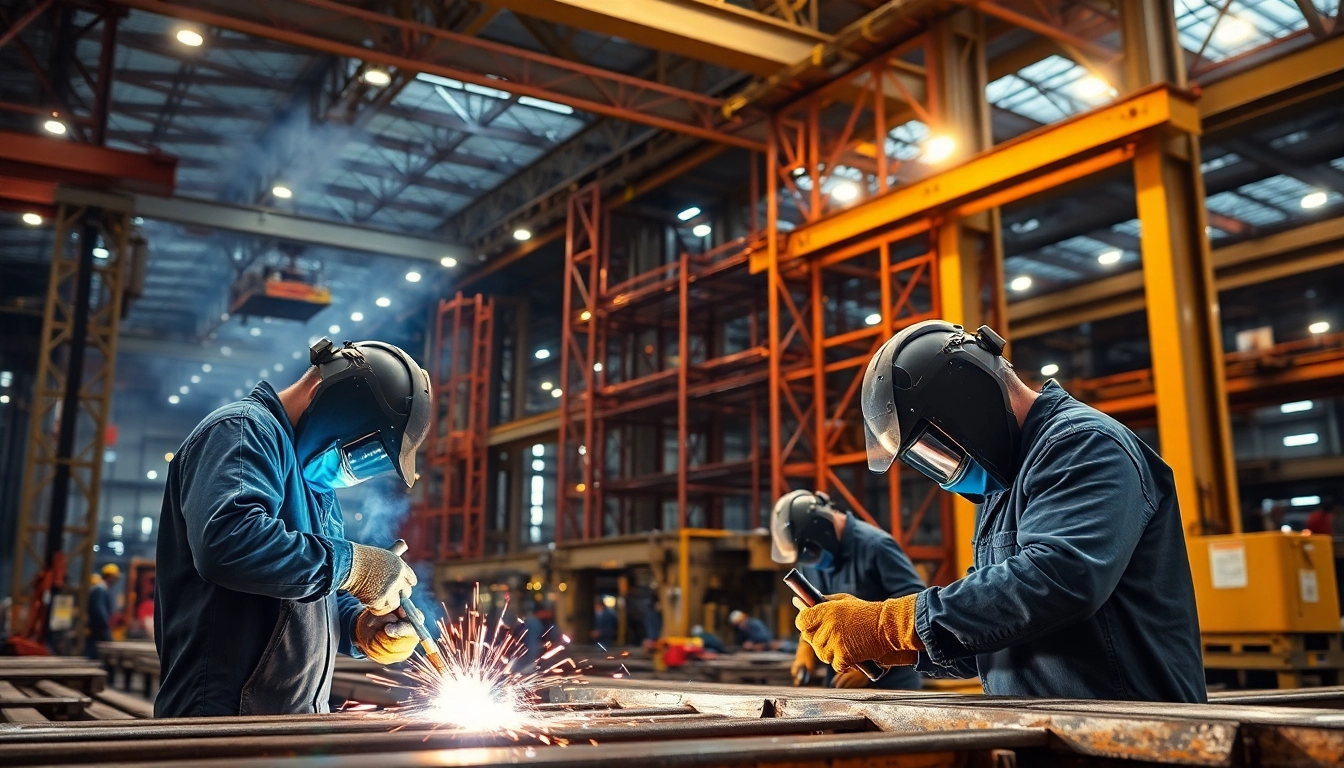
Safety gear is critical in structural steel welding to protect workers from hazards. Essential safety equipment includes:
- Welding Helmet: Protects the eyes and face from intense light and sparks.
- Gloves: High-temperature resistant gloves safeguard hands from burns.
- Protective Clothing: Fire-resistant clothing helps minimize burn risks.
- Respirators: Filters out harmful fumes and particulate matter, preserving lung health.
Choosing the Right Consumables
Consumables such as welding rods and wires significantly affect the quality of the weld. It's crucial to select the right type based on the base materials and the intended application. For instance, choose rods that match the material grade of the steel being welded. Thorough testing of consumables can help ensure consistency in performance, fatigue resistance, and overall weld strength.
Best Practices in Structural Steel Welding
Preparation and Surface Cleaning
Preparation is key to successful welding. Proper cleaning of surfaces to be welded is essential, as any rust, paint, or debris can compromise the strength of the weld. Use abrasive methods, like sandblasting or grinding, to achieve clean surfaces. Additionally, ensure that components are aligned correctly and secured to prevent movement or distortion during heating.
Proper Welding Techniques
The choice of the right technique can greatly impact the quality of the weld. Techniques should align with the project requirements, including joint design and materials used. For example, a stringer bead may be appropriate for a flat weld, while a weave pattern may provide better coverage on thicker sections. Always maintain a consistent travel speed and angle to ensure uniform heat distribution, avoiding weak spots.
Quality Control Measures
Implementing rigorous quality control measures during and after the welding process is vital. This may include visual inspections, ultrasonic testing, or radiographic assessments to detect internal flaws. Employing qualified personnel to conduct these tests ensures that structural standards are met, significantly reducing future risks such as structural failure or costly repairs.
Applications of Structural Steel Welding
Building Construction and Infrastructure
Structural steel welding plays a crucial role in building construction and infrastructure projects. It provides the framework that supports various structures, from skyscrapers to warehouses, ensuring they can withstand environmental forces. Applications include load-bearing beams, columns, and connections that are vital for the structural system's integrity.
Manufacturing and Fabrication Industries
In the manufacturing sector, structural steel welding facilitates the fabrication of equipment and machinery components. This allows for the establishment of precision-engineered products that meet diverse industrial demands. Various fabricated structures, such as frames and supports, are often welded for enhanced durability and performance.
Bridges and Heavy Equipment Assembly
Welding is essential in the construction of bridges and the assembly of heavy equipment. The robust connections created through structural steel welding are critical for ensuring the stability and safety of bridges, which must resist significant loads and dynamic forces. In heavy machinery assembly, welded joints provide the strength required for mechanical operations in demanding conditions.
Frequently Asked Questions about Structural Steel Welding
What is the main purpose of structural steel welding?
The main purpose of structural steel welding is to create robust connections between steel components, ensuring structural integrity and durability in buildings, bridges, and other constructions.
How can I ensure quality in my welding projects?
To ensure quality in welding projects, implement thorough surface preparation, employ proper techniques, and conduct regular quality assessments throughout the welding process.
What certifications are important for structural steel welders?
Certifications such as AWS D1.1 for welding steel and others relevant to specific materials or techniques are important for verifying the skills and reliability of structural steel welders.
How does structural steel welding impact project timelines?
Efficient structural steel welding can significantly speed up project timelines due to its fast assembly capabilities and the prefabrication of components, minimizing onsite work delays.
What are the most common welding challenges faced?
Common welding challenges include managing heat distorting, ensuring proper joint alignment, and dealing with contamination on metal surfaces, which can hinder effective bonding.