Understanding the Wire Manufacturer Process
The domain of wire manufacturers is a fascinating one, characterized by a complex interplay of various methodologies and materials. Wire manufacturing involves the transformation of raw materials into various types of wire used across numerous industries, including automotive, construction, telecommunications, and electrical applications. By comprehending the intricacies of this process, businesses can more effectively select a Wire Manufacturer that meets their specific requirements.
Key Methods in Wire Production
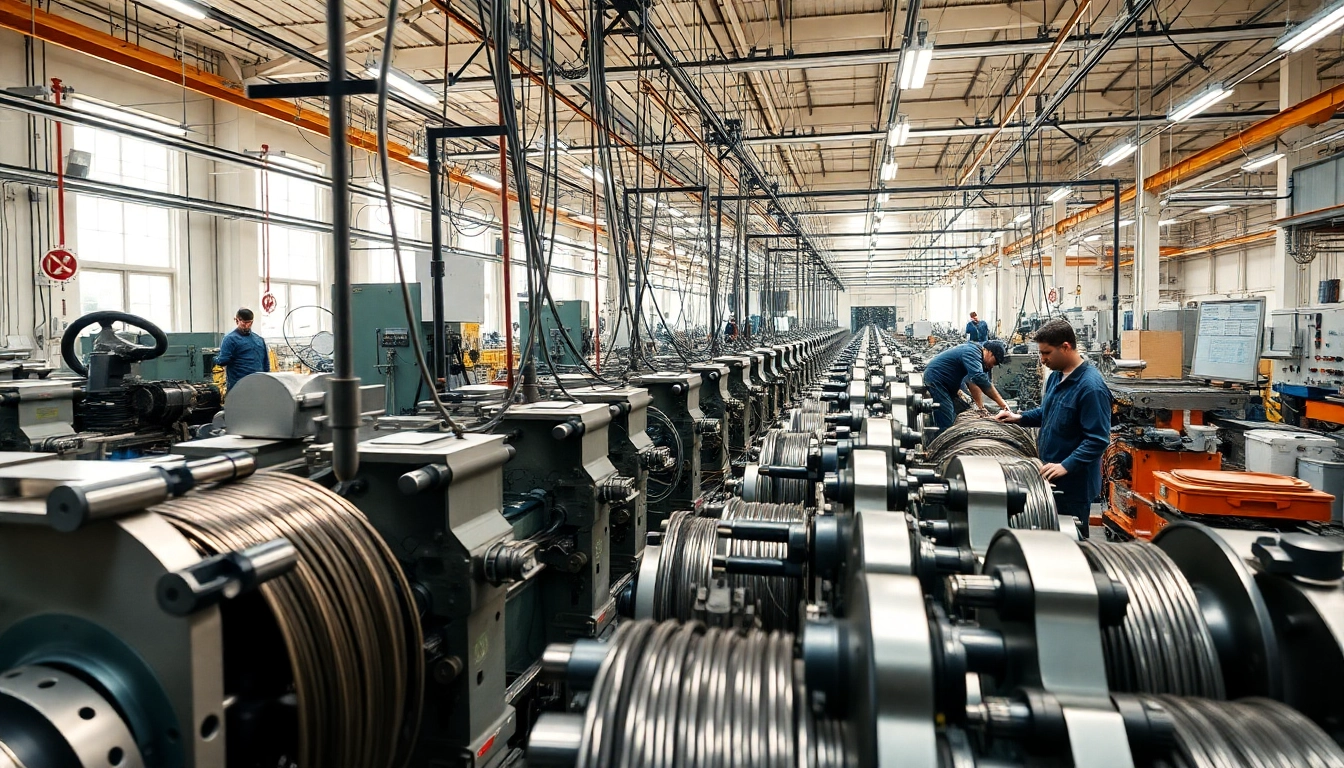
The wire manufacturing process essentially includes several pivotal methods grounded in engineering and metallurgy principles. The most foundational of these is drawing, where raw materials are pulled through a series of dies to achieve desired diameters. This method not only shapes the wire but also enhances its mechanical properties.
Another significant method is rolling, particularly used in the production of wider wire products such as reinforcing bars used in construction. Rolling involves passing metal through rollers to produce desired shapes and dimensions.
Additionally, extrusion techniques allow for the production of wire with unique cross-sections. Here, a material is pushed through a die, forming a continuous length of wire with a specific profile, such as flat or bar shapes, which may be crucial for specialized applications.
Materials Used by Wire Manufacturer
The choice of materials in wire manufacturing significantly affects the wire's performance, durability, and suitability for various applications. Copper wire remains a favored choice due to its outstanding electrical conductivity and malleability, making it ideal for electrical systems. Aluminum is often selected as a lightweight alternative to copper, particularly in overhead power lines.
Steel wires, including stainless steel, are widely utilized for their strength and resistance to corrosion. These materials often undergo various treatments, such as galvanization, to enhance their durability in harsh environments. Specialty alloys, composed of diverse metal combinations, cater to high-performance applications, offering specific characteristics like heightened resistance to extreme temperatures or acids.
Quality Control in Production
Maintaining high-quality standards is essential for wire manufacturers to thrive in a competitive marketplace. Quality control processes typically begin with material inspections upon receipt, ensuring that only the highest-grade inputs are utilized for production. Furthermore, throughout the manufacturing process, operators routinely conduct tests that evaluate tensile strength, conductivity, and dimensional accuracy.
Final products often undergo rigorous testing, including fatigue tests and corrosion resistance evaluations, to ensure they meet industry specifications and customer expectations. Adhering to quality control can significantly reduce recalls and enhance customer trust in the products provided.
Trends Shaping the Future of Wire Manufacturing
The wire manufacturing industry, like many others, is undergoing significant transformations that reflect broader technological, social, and environmental movements. Understanding these trends is critical for companies aiming to remain competitive and forward-thinking in their manufacturing processes.
Technological Innovations
One of the primary drivers of change in wire manufacturing is the advent of advanced technologies such as automation, AI, and IoT (Internet of Things). Automation not only streamlines production processes but also enhances precision, making it feasible to produce complex wire designs with greater efficiency.
IoT applications in wire manufacturing enable real-time monitoring of production processes, allowing manufacturers to track performance metrics, predict maintenance needs, and improve overall operational efficiency. Meanwhile, advancements in AI can optimize scheduling, reduce waste, and improve inventory management, greatly enhancing cost-effectiveness.
Environmental Considerations
As sustainability practices gain prominence across industries, wire manufacturers are increasingly adopting environmentally-friendly processes. Efforts to minimize resource consumption and waste are becoming central to manufacturing strategies. For instance, recycling raw materials can significantly reduce the environmental impact and reliance on mining new materials.
Furthermore, initiatives to utilize renewable energy sources in manufacturing plants are growing. Such actions not only reduce carbon footprints but also resonate with consumers increasingly concerned about sustainability, thereby creating a competitive edge in the marketplace.
Customization in Designs
Today's consumers demand tailored solutions that meet specific requirements. This changed landscape necessitates flexibility in design and production among wire manufacturers. Custom wires can be designed to accommodate varied specifications in terms of size, shape, and material, addressing unique client needs.
Such customization often demands advanced manufacturing techniques, including rapid prototyping and the use of computer-aided design (CAD) software, which allows manufacturers to create and test prototypes before full-scale production begins. Adopting a customer-centric approach not only increases satisfaction but also opens new market opportunities.
Challenges Faced by Wire Manufacturers Today
While the wire manufacturing industry is ripe with potential, it is not without its challenges. Understanding these obstacles can help businesses strategize effectively for long-term success.
Supply Chain Disruptions
Recent global events have highlighted the fragility of supply chains, particularly concerning raw material availability. Disruptions can lead to increased costs and production delays. Wire manufacturers must develop robust supply chain strategies that incorporate diversification and local sourcing to mitigate these risks. Establishing strong relationships with multiple suppliers can also ensure a steady flow of materials.
Market Competition
The wire manufacturing sector is highly competitive, with numerous players vying for market share. As new entrants emerge and existing manufacturers innovate, maintaining a differentiation strategy is vital. This can involve advancing product quality, offering exceptional customer service, or capitalizing on trends like sustainability and customization to stand out in the crowded marketplace.
Regulatory Compliance Issues
Wire manufacturers must navigate a complex web of regulations surrounding health, safety, environmental standards, and industry-specific guidelines. Adhering to these regulations requires continuous monitoring and can involve considerable compliance costs. A proactive approach, including regular training and investment in compliance technologies, can help manufacturers stay ahead and avoid costly penalties.
Best Practices for a Successful Wire Manufacturer
Implementing best practices in wire manufacturing is essential for ensuring operational efficiency, customer satisfaction, and overall business success.
Streamlining Production Processes
Streamlining production processes involves eliminating waste and inefficiencies through methods such as Lean manufacturing. By analyzing workflows and identifying bottlenecks, manufacturers can create more efficient production lines that reduce lead times and costs. Techniques like value stream mapping can help visualize and optimize these processes, ensuring a more agile manufacturing environment.
Investing in Workforce Skills
The effectiveness of any wire manufacturing operation lies significantly in its workforce. Investing in employee training and development can enhance skill sets and foster innovation. Regular workshops, certifications, and exposure to new technologies are crucial to cultivate a productive, knowledgeable workforce equipped to navigate evolving industry demands.
Leveraging Technology
Adopting the latest technology should be a focal point for any wire manufacturer. Utilizing software solutions for project management, production scheduling, and inventory control can lead to significant efficiency gains. Furthermore, integrating AI and machine learning technologies can facilitate predictive maintenance and real-time analytics, driving data-informed decisions for continuous improvement.
Measuring Success in Wire Manufacturing
For wire manufacturers to thrive, they must establish metrics that measure success and drive growth. The following key areas provide valuable insights into performance and customer satisfaction.
Performance Metrics to Track
Several performance metrics are crucial for assessing success in wire manufacturing. Key performance indicators (KPIs) might include production efficiency rates, defect rates, and lead times, which offer insights into operational effectiveness. Moreover, tracking profitability ratios can reveal the financial health of the business, guiding strategic decisions.
Customer Satisfaction and Feedback
Customer feedback serves as a direct indicator of market performance and brand reputation. Collecting data through surveys and direct engagement can provide invaluable insights into customer preferences and areas for improvement. An unwavering focus on customer satisfaction can lead to strengthened relationships and repeat business.
Continuous Improvement Strategies
Continuous improvement should be a core value within wire manufacturing operations. Implementing methodologies such as Six Sigma or Total Quality Management (TQM) can promote a culture focused on incremental enhancements across all areas of operation. By fostering a mindset geared toward constant innovation and refinement, manufacturers can stay ahead of the curve and adapt to changing market conditions.
FAQs
What types of wires are typically produced by a Wire Manufacturer?
Wire manufacturers produce a variety of wires including copper, aluminum, steel, and specialty alloys, tailored for specific industries.
How does a Wire Manufacturer ensure quality control?
Quality control involves rigorous testing of materials, process monitoring, and compliance with industry standards to ensure product reliability.
What are the common challenges in wire manufacturing?
Challenges include fluctuating raw material costs, supply chain issues, and increasing demand for sustainable practices in production.
What are the latest trends in wire manufacturing?
Key trends include automation, sustainable materials, and advancements in customization to meet diverse client needs in various sectors.
How can a Wire Manufacturer improve efficiency?
Improving efficiency can be achieved by adopting lean manufacturing principles, investing in employee training, and utilizing technological advancements.