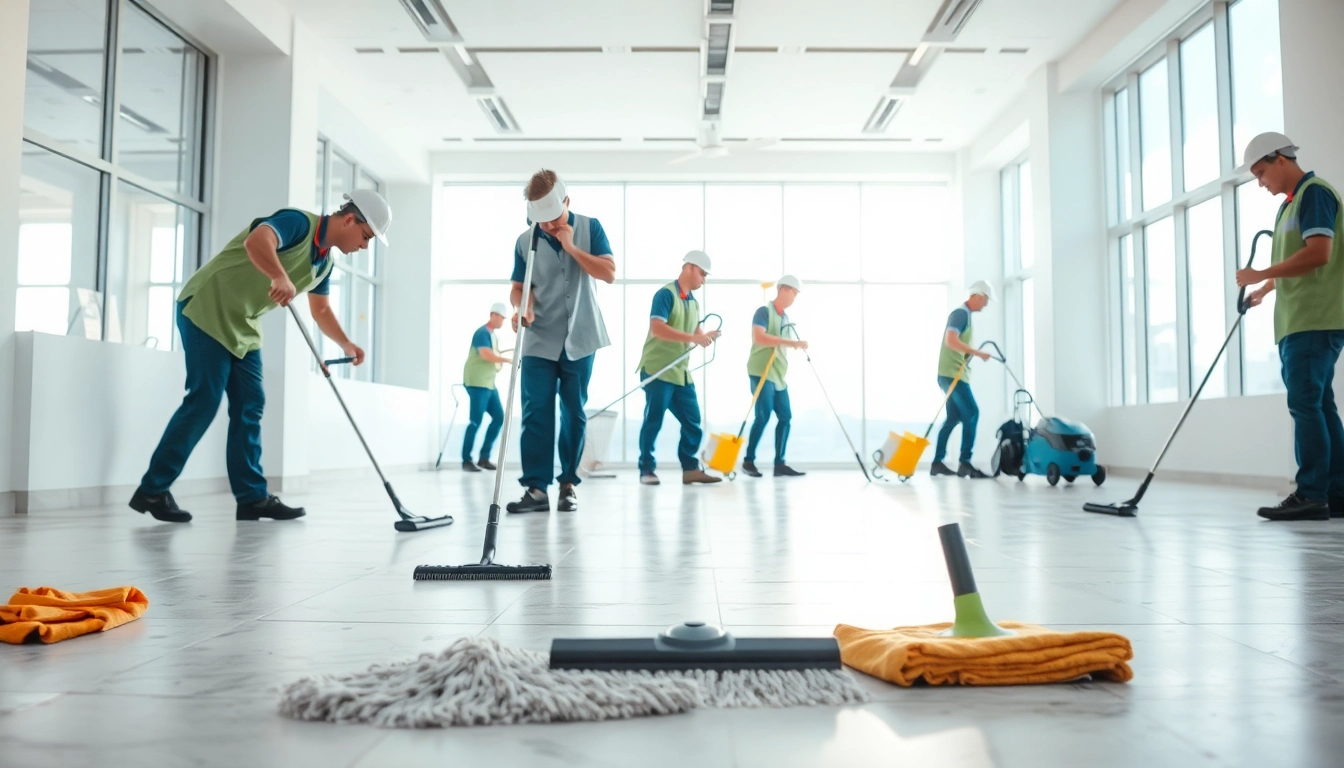
Understanding Post Construction Cleaning
What is Post Construction Cleaning?
Post construction cleaning refers to the thorough cleaning process that takes place after construction or renovation projects are completed. This essential service ensures that spaces are free from debris, dust, and other unwanted materials, making them safe and visually appealing for occupancy. It encompasses a wide array of cleaning tasks, ranging from basic dusting and vacuuming to specialized services tailored for various surfaces and materials. The goal is to restore the area to a pristine state, preparing it for residential or commercial use.
Importance of Post Construction Cleaning
The significance of post construction cleaning cannot be overstated. Newly constructed or renovated spaces often contain harmful debris such as sharp objects, dust, and residues from building materials that can pose hazards to future occupants. Additionally, professional post construction cleaning improves aesthetic appeal, presenting a polished and welcoming environment. It sets the stage for furniture installation, inspections, and final walk-throughs, thereby facilitating a smoother transition to occupancy.
Common Challenges in Post Construction Cleaning
Post construction cleaning comes with its unique set of challenges. One significant challenge is the presence of hazardous materials that may be overlooked during initial clean-ups. Additionally, the sheer volume of materials left behind can make thorough cleaning feel overwhelming. Stains from paint, adhesives, and sealants often require special attention and techniques, while cleaning intricate or hard-to-reach areas poses logistical difficulties. Understanding and addressing these challenges is critical for effective outcomes.
Types of Post Construction Cleaning
Rough Cleaning vs. Final Cleaning
In the realm of post construction cleaning, there are generally two main stages: rough cleaning and final cleaning. Rough cleaning occurs shortly after construction is complete and includes removing large debris, dust, and initial waste. In contrast, final cleaning is a meticulous process that focuses on detailed cleaning tasks—polishing surfaces, removing fingerprints, and ensuring that every corner is immaculate. Both stages are crucial for achieving the desired cleanliness and safety standards.
Deep Cleaning Techniques
Deep cleaning techniques are essential in post construction situations due to the stubborn residues often found after construction. Techniques may include high-pressure washing for outdoor areas, steam cleaning for carpets or other upholstery, and extensive scrubbing of hard surfaces to eliminate any dust accumulation. Employing these methods ensures a thorough cleanse that promotes health and safety within the newly finished space.
Specialized Cleaning for Different Materials
Every material in a construction project requires a tailored cleaning approach. For example, hardwood floors may need specific cleaners to avoid damage, while glass surfaces may require streak-free products to maintain visibility. Different types of paint and finishes also demand unique cleaning methods to prevent dulling or stripping. It's essential for cleaning professionals to understand these distinctions to avoid unwanted damage and uphold quality.
Best Practices for Effective Post Construction Cleaning
Preparing the Site
Preparation is a vital step in effective post construction cleaning. It involves assessing the area to identify specific cleaning needs based on the type of construction and materials used. Clearing out any remaining debris and ensuring safe access to all areas facilitates a more efficient cleaning process. Proper planning can significantly reduce time spent on the job and enhance overall results.
Using the Right Tools and Equipment
Having the appropriate tools and equipment is paramount for successful post construction cleaning. This may include industrial-grade vacuum cleaners, pressure washers, and specialized cleaning solutions tailored for specific materials. Investing in high-quality equipment not only improves cleaning efficacy but also protects surfaces and enhances safety for the cleaning team.
Scheduling and Logistics for Cleaning Teams
Effective scheduling and logistics are crucial in organizing cleaning teams for post construction projects. It's essential to align cleaning tasks with final construction schedules, ensuring that teams can begin work promptly. Furthermore, optimal scheduling can help streamline operations, prevent delays, and ultimately lead to timely project completions.
Safety Measures During Post Construction Cleaning
Personal Protective Equipment (PPE)
Implementing safety measures, particularly through the use of Personal Protective Equipment (PPE), is essential during post construction cleaning. Workers should be equipped with gloves, goggles, masks, and sturdy footwear to protect against potential hazards such as sharp debris, toxic chemicals, and dust inhalation. Adhering to PPE guidelines ensures a safer working environment for cleaning crews.
Hazardous Material Handling
Many construction sites involve the use of hazardous materials that require special handling. It’s crucial for cleaning teams to be trained in recognizing, managing, and disposing of these materials safely to minimize risks. Knowledge of local regulations surrounding hazardous materials can also guide safe practices and compliance.
Ensuring Site Safety for Workers
Ensuring overall site safety extends beyond PPE and hazard handling. It involves conducting safety briefings, maintaining clear communication among team members, and having emergency plans in place. Assessing the site regularly for new hazards can dramatically reduce accidents and enhance the safety culture within the cleaning team.
Measuring Success in Post Construction Cleaning
Client Satisfaction Metrics
Measuring success in post construction cleaning involves obtaining client feedback and analyzing satisfaction metrics. Client surveys once cleaning is completed can provide insights into what measures worked well and which areas might need improvement. High client satisfaction translates to potential repeat business and referrals, serving as a gauge for quality and service performance.
Quality Control Checklists
Using quality control checklists during post construction cleaning helps maintain consistency and ensures no areas are overlooked. These checklists can outline specific cleaning tasks, materials used, and areas accessed, enabling thorough documentation and accountability. Furthermore, conducting inspections based on these lists can assure high standards of cleanliness and quality assurance.
Feedback and Continuous Improvement
Feedback from both clients and staff is fundamental for continuous improvement in post construction cleaning practices. Regularly reviewing cleaning outcomes and operational processes allows companies to adapt and refine their approaches, enhancing overall service delivery. Emphasizing a culture of feedback fosters innovation and growth within cleaning teams.
FAQs about Post Construction Cleaning
1. What is included in post construction cleaning?
Post construction cleaning typically includes debris removal, dusting, vacuuming, mopping, and cleaning of windows and surfaces.
2. How long does post construction cleaning take?
The duration can vary based on the project size and complexity but generally can take anywhere from a few hours to several days.
3. Can I perform post construction cleaning myself?
While possible, professional cleaning is recommended to ensure comprehensive cleaning and removal of potentially harmful materials.
4. Are there specific cleaning products for post construction?
Yes, specialized cleaning products are designed to effectively clean different materials and surfaces commonly found in construction projects.
5. How can I ensure a high-quality post construction clean?
Utilizing professional services, having a detailed checklist, and gathering client feedback are all effective strategies for ensuring quality cleaning.