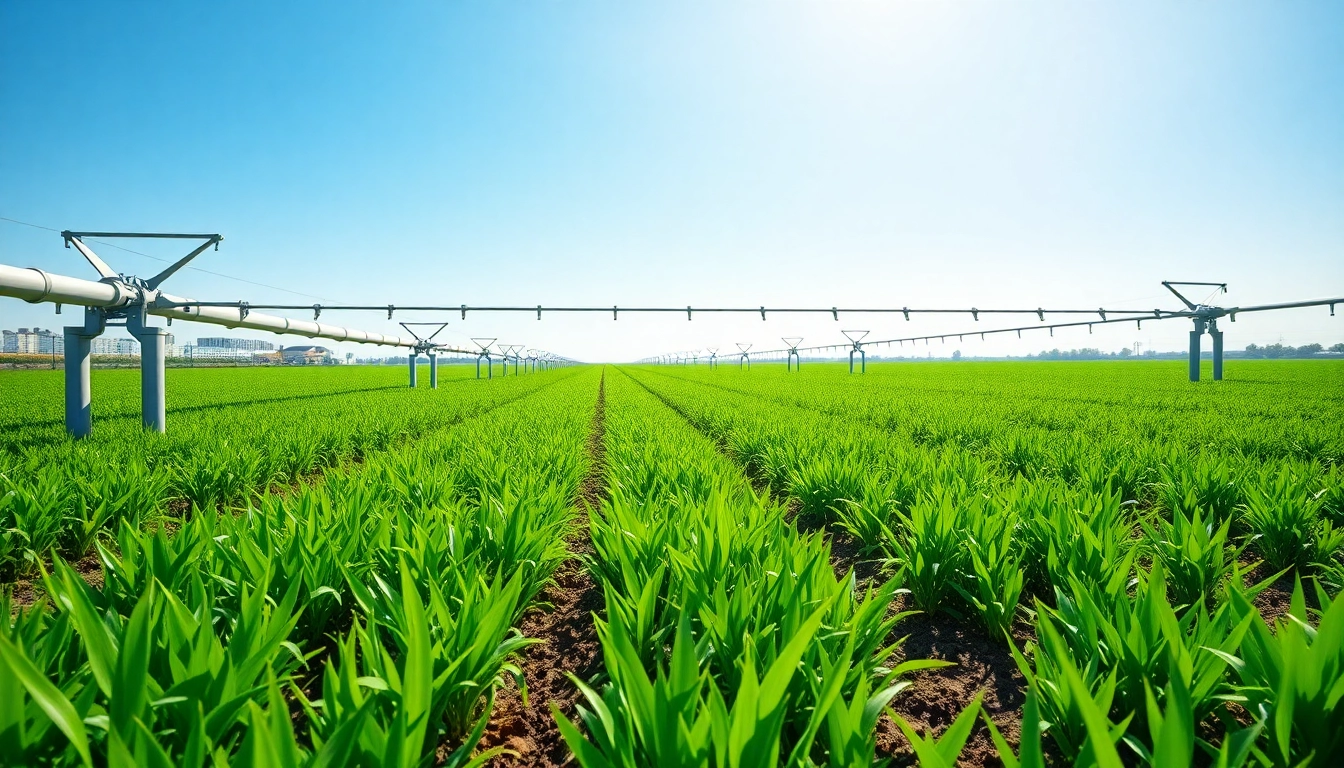
Understanding the Basics of Land Irrigation
Defining Land Irrigation and Its Importance
Land irrigation is the process of applying controlled amounts of water to crops at specified intervals to aid in their growth. This practice is crucial for increasing agricultural productivity and ensuring food security, especially in areas where rainfall is insufficient or irregular. Effective land irrigation helps in maintaining soil moisture levels, facilitating better crop yields, and allowing for more extensive agricultural practices.
The significance of land irrigation extends beyond mere crop production. It plays a vital role in maintaining local ecosystems, supporting wildlife, and conserving water resources. With the challenges posed by climate change and population growth, understanding how to optimize land irrigation is becoming increasingly essential for sustainable farming. Strategies and technologies that enhance land irrigation practices can contribute to a more resilient agricultural sector.
Types of Land Irrigation Systems
There are several types of irrigation systems, each with distinct advantages and disadvantages. Here are a few of the most commonly utilized systems:
- Surface Irrigation: This method involves distributing water over the soil surface, allowing it to percolate into the root zone. It is one of the oldest and most widely used techniques, suitable for level fields and crops like rice.
- Drip Irrigation: Drip irrigation systems deliver water directly to the roots of plants through a network of tubing and emitters. This highly efficient method minimizes water wastage and is particularly useful for high-value crops.
- Sprinkler Irrigation: Utilizing a system of pipes, pumps, and sprinklers, this method mimics natural rainfall. It can be used for various crops and terrain types, making it versatile for farmers.
- Subsurface Irrigation: This less common technique involves placing irrigation tubes below the soil surface, allowing water to seep directly into the soil. It minimizes evaporation and is beneficial in arid regions.
- Localized Irrigation: This includes systems like micro-irrigation and trickle irrigation, which focus on delivering small amounts of water directly to the target area, ensuring efficient water use and minimizing runoff.
Key Components of an Effective Irrigation System
An effective irrigation system is not just about managing water; it requires a comprehensive approach considering multiple components:
- Water Source: This could be groundwater, surface water, or recycled water. Ensuring a reliable and sufficient water supply is critical.
- Distribution System: This includes pipelines, canals, and channels that transport water from the source to the fields. Proper design helps in minimizing losses and optimizing delivery.
- Control Structures: Gate valves, sensors, and automated systems help regulate water flow and timing, allowing precise application based on crop needs.
- Soil Types: Understanding the soil’s properties, such as texture and permeability, is crucial. Different soils hold water differently and may require tailored irrigation approaches.
- Management Practices: Effective planning, scheduling, and monitoring ensure that water is applied when and where it is needed, avoiding waste and enhancing crop health.
Common Challenges in Land Irrigation
Water Management Issues
Water management poses one of the most significant challenges in land irrigation. Over-irrigation can lead to waterlogging and reduced crop yield, while under-irrigation can stress plants and diminish productivity. Proper scheduling and monitoring are necessary to strike the right balance.
Moreover, competing demands for water from urban, industrial, and agricultural sectors can lead to chronic water scarcity. Farmers need to adopt practices like rainwater harvesting and the use of recycled water to mitigate these issues.
Pest and Disease Control
The use of irrigation can inadvertently contribute to pest and disease issues. Continuous moisture can create conducive environments for pathogens and pests. Integrated pest management strategies, along with appropriate irrigation scheduling, can help in reducing these risks.
Maintaining healthy soil through crop rotation, cover cropping, and organic amendments can also enhance plant resilience against pests and diseases, thus improving crop longevity.
Environmental Impact Considerations
Land irrigation can have considerable effects on local ecosystems. It can alter natural water flow patterns, affect local wildlife habitats, and lead to soil salinization. Sustainable practices, such as the implementation of precision irrigation techniques and maintaining vegetation buffers, can help mitigate these environmental impacts.
Farmers should consider the ecological aspects of their irrigation practices by incorporating methods that preserve local biodiversity and ensure long-term sustainability.
Best Practices for Optimizing Land Irrigation
Efficiency in Water Use
To optimize land irrigation, it is essential to focus on water efficiency. Implementing technologies like drip or sprinkler irrigation can significantly reduce water usage compared to traditional methods. Monitoring systems that adjust water application based on real-time weather data can further enhance efficiency.
Additionally, soil moisture sensors allow farmers to apply water only when necessary, reducing waste and conserving this precious resource. By incorporating such technological advancements, farmers can achieve significant water savings while maintaining crop health.
Soil Management Techniques
Proper soil management is instrumental in maximizing the effectiveness of any irrigation system. Practices like soil testing allow farmers to understand the nutrient content and pH levels, enabling them to make informed decisions.
Incorporating organic matter, such as compost or mulch, improves soil structure and moisture retention. Crop rotation and cover cropping can prevent nutrient depletion and control soil erosion, enhancing overall soil health while optimizing irrigation outcomes.
Seasonal Planning and Monitoring
Effective irrigation requires a seasonal approach that takes into account local climate conditions and crop requirements. Farmers should develop annual irrigation plans that factor in precipitation patterns and crop growth stages.
Regular monitoring is critical. Utilizing weather forecasting tools and historical data can support better decision-making concerning irrigation schedules. Adjusting irrigation practices based on seasonal changes ensures that water is conserved while crops receive adequate moisture.
Innovations in Land Irrigation Technology
Smart Irrigation Solutions
Innovation in irrigation technology has revolutionized land irrigation, leading to smarter, more efficient systems. Smart irrigation solutions, which often leverage IoT (Internet of Things) technologies, allow for remote monitoring and control of irrigation systems.
These systems can automatically adjust based on data inputs such as soil moisture levels and weather forecasts, ensuring that crops receive the right amount of water at optimal times. Such adaptability minimizes water waste while maximizing efficiency.
Sensors and Automation
Sensors play a pivotal role in modern irrigation management. Soil moisture sensors, weather stations, and flow meters provide critical data that can be analyzed to optimize water use. Automated irrigation systems that respond to this data help in delivering precise amounts of water exactly when needed.
Adopting automation reduces labor costs and human error, leading to more reliable and efficient irrigation practices. Farmers can oversee large areas with minimal effort while ensuring that each plant receives the consideration it requires.
Data Analytics for Irrigation Management
Data analytics in irrigation management represents a leap forward in optimizing water use. By collecting and analyzing vast amounts of data, farmers can gain insights into weather patterns, soil conditions, and crop health over time.
This information empowers farmers to make informed decisions on irrigation strategies, improving overall sustainability and yield potential. Experience shows that implementing data-driven strategies can lead to successful water management and enhanced agricultural practices.
Measuring the Impact of Land Irrigation
Performance Metrics and Assessment
Measuring the impact of land irrigation requires the establishment of clear performance metrics. These might include crop yield per unit of water used, water application efficiency, and soil moisture levels over time.
Assessing these metrics can provide insights into the effectiveness of irrigation practices, identify areas for improvement, and demonstrate the economic impact of efficient water use.
Case Studies of Successful Irrigation Projects
Reviewing case studies of successful land irrigation projects can offer valuable lessons and best practices. For example, projects that have implemented precision irrigation technology often showcase dramatic improvements in water use efficiency and crop yields.
These case studies reveal common themes of innovation, proper implementation strategies, and continuous monitoring and assessment, serving as models for other farmers aiming to enhance their irrigation strategies.
Future Trends in Land Irrigation
The future of land irrigation is moving toward greater efficiency and sustainability. Emerging technologies such as AI-powered decision-making tools, robotic irrigation systems, and advanced data analytics are likely to reshape how farmers manage water resources.
As the agricultural industry continues to adapt to climate change and increasing demands, embracing these future trends will be essential for creating resilient food systems that can thrive amid environmental challenges.
Frequently Asked Questions
What is land irrigation?
Land irrigation is the controlled application of water to crops to support their growth, especially in areas with inadequate rainfall.
What are the main types of irrigation systems?
The main types include surface, drip, sprinkler, subsurface, and localized irrigation systems, each catering to different needs.
How can I optimize water use in irrigation?
To optimize water use, implement smart irrigation technologies, utilize soil moisture sensors, and practice efficient scheduling.
What are the environmental impacts of irrigation?
Irrigation can lead to waterlogging, soil salinity, and changes in local ecosystems. Sustainable practices help mitigate these impacts.
How do I measure irrigation effectiveness?
Effectiveness can be measured through metrics like crop yield per water unit used, water efficiency rates, and monitoring soil moisture levels.