Understanding Interior Wall Paneling
What is Interior Wall Paneling?
Interior wall paneling refers to a decorative finish applied to the walls of a building's interior. This system varies from simple boards affixed to walls to intricate designs that enhance structural elements. Unlike paint or wallpaper, paneling adds a layer of texture and depth, transforming the atmosphere of any room. Designed to serve both aesthetic and functional purposes, interior wall paneling can be made from an array of materials, each contributing its unique character and advantages.
Benefits of Interior Wall Paneling
The advantages of using interior wall paneling are multifaceted. Firstly, it provides insulation, helping to regulate indoor temperatures while also minimizing noise. Secondly, it can enhance the design appeal of a space, offering versatile styles to complement various decor themes. Furthermore, wall paneling can cover imperfections on existing walls, leading to a smoother finish. Its durability ensures it withstands wear and tear, making it a worthwhile investment for both homes and commercial properties.
Different Types of Interior Wall Paneling
Variety is the spice of life, and the same goes for interior wall paneling. Here are several types commonly used in modern design:
- Wood Paneling: Traditional and rich in character, wood paneling offers warmth and elegance.
- Vinyl Paneling: Affordable and easy to maintain, perfect for high-traffic areas.
- Fabric Paneling: Soft and sound-absorbing, ideal for creating a cozy atmosphere.
- Panelized Systems: Modular sections that allow for flexibility and ease of installation.
Choosing the Right Interior Wall Paneling Material
Wood Paneling Options
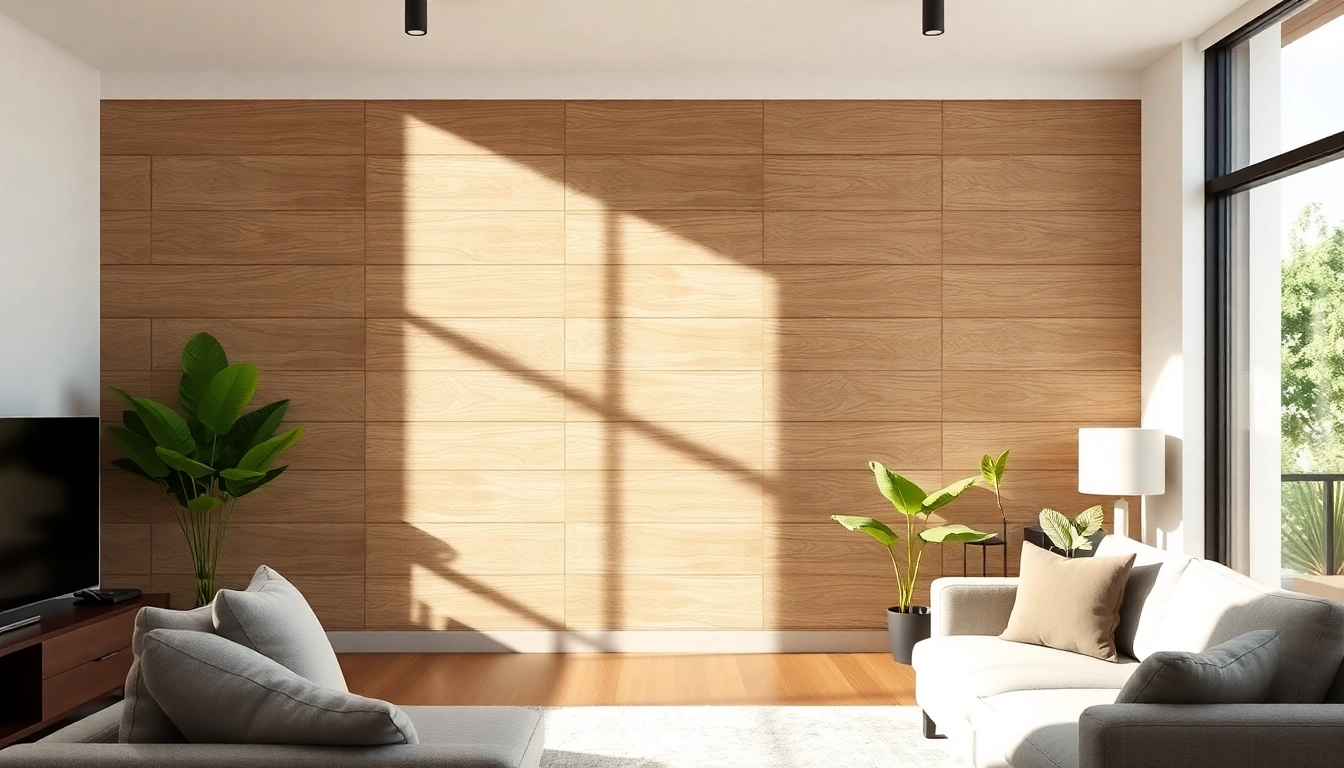
Wood remains one of the most popular options for interior wall paneling. Various species like oak, pine, and walnut provide distinct grains, colors, and durability levels. For instance, oak is prized for its strength and longevity while pine allows for more affordable installations. Wood can be stained or painted, making it versatile in terms of design.
Composite and PVC Paneling
Composite materials, often made from a mix of recycled materials, and PVC are gaining traction due to their affordability and durability. They are lightweight, resistant to moisture, and easy to install, making them excellent for bathrooms and kitchens. Unlike natural wood, these materials do not warp easily, ensuring they maintain their aesthetic appeal over time.
Metal and Glass Paneling Choices
For a contemporary, chic feel, metal and glass paneling are increasingly popular. Metal panels can add a sleek industrial touch, while glass offers a modern and airy feel. Both materials are easy to maintain—metal can be wiped down with a damp cloth, while glass presents a clean, polished appearance. Great for accent walls, they are also effective for creating a sense of space in smaller areas.
Design Styles Featuring Interior Wall Paneling
Contemporary Designs
Contemporary design places emphasis on minimalism and functionality. In this context, sleek paneling can be combined with neutral colors and streamlined furniture to create an open, airy feel. Think of horizontal wood panels painted in whites or greys that accentuate lines and structure, adding to the overall clean aesthetic.
Rustic and Farmhouse Themes
For those leaning towards a rustic look, reclaimed wood or distressed finishes evoke warmth and nostalgia. This style pairs beautifully with vintage furnishings and neutral color palettes, creating a cozy space reminiscent of countryside living. Wall paneling in this style often exhibits natural imperfections that enhance its character.
Minimalist Approaches
Minimalism focuses on simplicity and decluttering. Interior wall paneling in a minimalist approach often features unadorned, flat panels with clean lines. Utilizing monochromatic colors and minimal textures can add sophistication while keeping the space tranquil and uncluttered.
Installation Tips for Interior Wall Paneling
Preparing Your Space
Before installation, thorough preparation is crucial. Clear the space of furniture and ensure walls are clean, dry, and free from damage. Measure the area accurately to determine how much paneling you will require. Proper planning helps minimize waste and allows for seamless installation.
Step-by-Step Installation Guide
Once you are prepared, follow these steps:
- Choose an Appropriate Adhesive: Select a strong adhesive that suits the paneling material.
- Mark Studs: Locate and mark the wall studs using a stud finder for secure installation.
- Cut Panels to Size: Measure and cut each panel accurately, ensuring a snug fit.
- Apply the Adhesive: Follow manufacturer instructions for applying the adhesive evenly.
- Press Panels into Place: Firmly press each panel against the wall, ensuring alignment with the marked studs.
- Secure Panels: Depending on the material, screws or nails may be used for additional stability.
Common Mistakes to Avoid
Installation errors can lead to a less-than-perfect finished product. Some common mistakes include:
- Neglecting Wall Preparation: Inadequate surface cleaning can affect adhesion.
- Incorrect Measuring: Always measure twice to prevent cutting errors.
- Ignoring Panel Orientation: Ensure consistent orientation for a uniform appearance.
Maintaining Your Interior Wall Paneling
Cleaning and Care Tips
Regular maintenance ensures your paneling remains attractive. Dust surfaces regularly, and clean with a damp cloth for wood, while soap and water suffice for PVC and composite materials. Avoid harsh chemicals that may damage the finish.
Repair and Replacement Strategies
Over time, paneling may encounter wear or damage. For minor repairs, consider using wood filler or paint to address scratches or dents. If panels are severely damaged, replacement might be necessary. Keep spare panels handy if possible, to ensure consistency in appearance.
When to Seek Professional Help
While DIY installations can be rewarding, complex projects may benefit from a professional touch. If you encounter extensive damage, have multiple paneling types, or feel uncertain during installation, seeking a specialist can ensure a polished finish.
Frequently Asked Questions
1. What are the main advantages of interior wall paneling?
Interior wall paneling enhances aesthetic appeal, provides insulation, covers wall imperfections, and is durable over time.
2. How do I choose the right paneling for my home?
Consider the room's function, existing decor, and the desired aesthetic. Different materials offer unique benefits depending on these factors.
3. Can I install paneling myself?
Yes, with the right tools and adherence to installation guidelines, many homeowners can successfully install paneling without professional help.
4. How do I maintain my interior wall paneling?
Regular dusting, gentle cleaning with appropriate materials, and addressing any minor damages promptly will maintain your paneling well.
5. When should I consider professional installation?
If your project is complex, involves multiple paneling types, or if you are unsure about DIY installation, professional help can ensure quality results.