The Historical Journey of Gramaphone Records
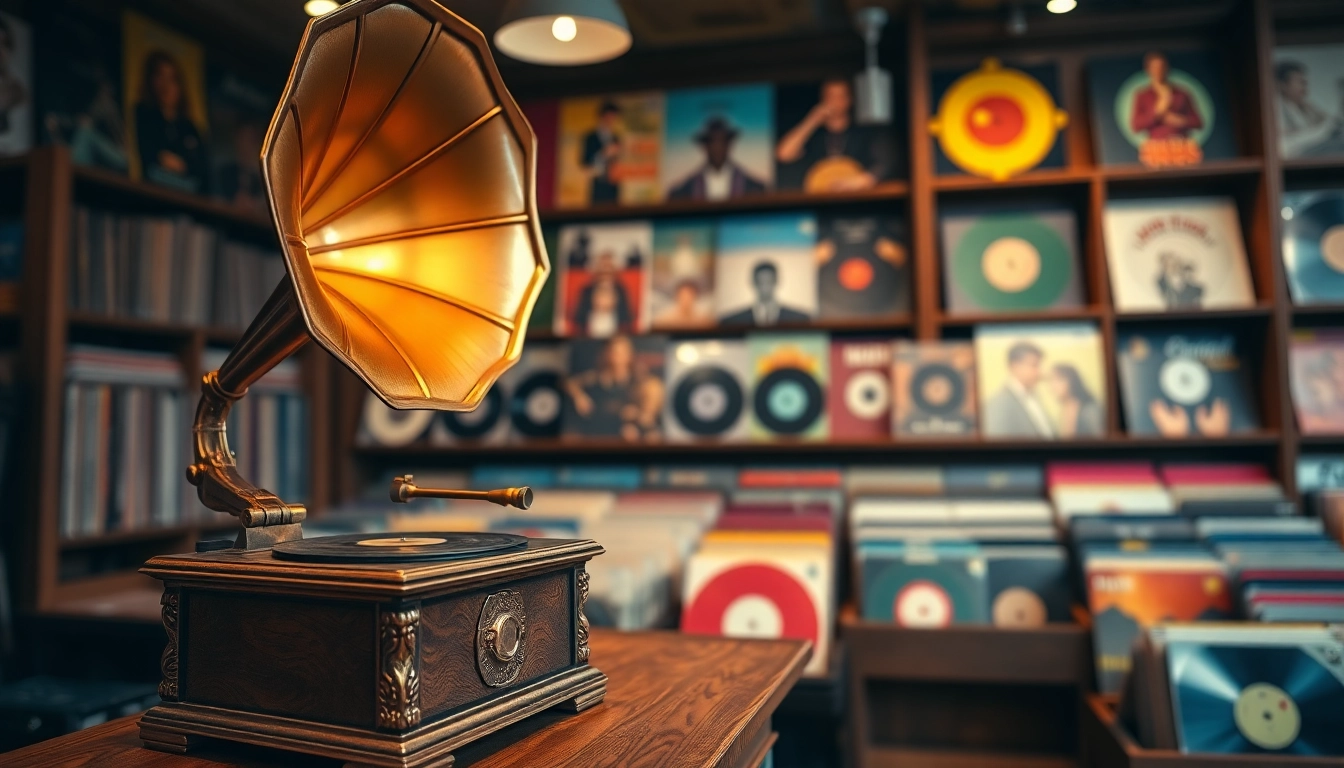
The story of gramaphone records is a fascinating tale of innovation, culture, and evolution in sound. These records, which became popular in the early 20th century, have significantly shaped the music industry and continue to influence sound appreciation today.
Early Innovations in Sound Recording
The origins of gramaphone records trace back to the late 19th century with the invention of the phonograph by Thomas Edison in 1877. This innovative device marked the beginning of recorded sound and paved the way for future developments. The phonograph used cylinders to record sound, but it was Emile Berliner’s gramophone that revolutionized the industry by introducing flat discs, commonly known as records.
Berliner’s design allowed for mass production and better sound quality. By the turn of the 20th century, gramaphone records were rapidly gaining popularity, offering listeners a novel way to enjoy music in their homes. The acoustics were significantly improved with advancements in materials and production techniques, establishing the foundational technology for the records we recognize today.
The Evolution of Gramaphone Records Technology
As technology progressed, so did the evolution of gramaphone records. The transition from shellac to vinyl in the mid-20th century marked a turning point. Shellac records were rigid and brittle, prone to breakage. The introduction of vinyl provided a more durable and flexible alternative, allowing for longer playback times and enhanced sound quality. This period also saw the birth of different record sizes, such as the 33 1/3 RPM LP and the 45 RPM single, catering to diverse musical tastes.
With the emergence of stereo sound in the 1950s, gramaphone records were once again enhanced, allowing album producers to create richer auditory experiences by utilizing two separate channels for left and right audio. The aesthetics also evolved, with intricate album art becoming a significant part of music culture.
The Cultural Impact of Gramaphone Records
Beyond technological advancements, gramaphone records have played a pivotal role in shaping musical culture. They became a medium for artistic expression, allowing artists to reach broader audiences through recorded music. The rise of genres such as jazz, rock’n’roll, and classical music was closely linked to the popularity of records, as they provided a platform for both established and emerging musicians.
Moreover, the tactile experience of handling records and the communal aspect of vinyl listening parties fostered a unique cultural identity around music consumption. As vinyl records experienced a decline with the advent of CDs and digital formats, their legacy endured, influencing new generations of music lovers, collectors, and audiophiles.
Types of Gramaphone Records
Different Genres and Their Popularity
Gramaphone records encompass a vast array of genres, each with its unique charm and dedicated following. The genres can range from classical to blues, jazz, rock, and contemporary indie. Each genre often has distinctive characteristics that attract collectors and listeners alike.
For example, jazz records are cherished for their improvisational elements and vibrant energy; they often feature legendary artists who pushed the boundaries of music. Meanwhile, rock and roll records symbolize rebellion and cultural shifts, making them iconic collectibles.
The resurgence of interest in vinyl over recent years has also inspired the rediscovery of lesser-known genres such as psychedelic rock or ambient music, further enriching the landscape of gramaphone records.
Collectible Gramaphone Records: What to Look For
Collectors seek gramaphone records not just for the music, but also for their historical significance and aesthetic appeal. Several factors contribute to the collectibility of a record.
Rarity plays a crucial role; pressings that were limited or produced during specific eras can be highly sought after. Condition is another essential factor—records retained in mint condition fetch higher prices. Labels, such as iconic ones like Motown and Blue Note, also boost value due to their prominence in music history.
Fan-favorite artists or albums that have reached legendary status over time tend to command premium prices. Collectors often look for first pressings, albums with unique artwork, or records with notable aural qualities that differentiate them from standard pressings.
Maintaining and Caring for Gramaphone Records
Proper care is crucial for preserving the quality and lifespan of gramaphone records. Here are some best practices to ensure these precious items stay in excellent condition:
- Cleaning: Regular cleaning of records is essential. Use a soft brush or microfiber cloth to remove dust and debris before playback. For deeper cleaning, consider a dedicated record cleaning solution.
- Storage: Store records vertically and avoid overcrowding to prevent warping. Use dedicated record sleeves to safeguard both the vinyl and album cover.
- Handling: Always handle records by the edges to minimize fingerprints and oils impacting the grooves, ultimately affecting sound quality.
By following these guidelines, owners can preserve the integrity and value of their gramaphone records for future enjoyment.
Buying and Selling Gramaphone Records
Where to Find Quality Gramaphone Records
Finding quality gramaphone records can be an enjoyable experience for collectors and music lovers alike. There are several prime locations to explore:
- Record Stores: Independent record shops often curate valuable collections and offer knowledgeable staff who can guide customers through selections.
- Record Fairs: These events provide great opportunities to discover hard-to-find records, to connect with vendors, and to network with other collectors.
- Online Marketplaces: Websites and apps that specialize in vinyl, such as Discogs, have robust search features for finding specific records.
Always conduct thorough research on sellers, especially in online transactions, to ensure the quality and authenticity of the records being purchased.
Evaluating the Value of Gramaphone Records
Understanding the value of gramaphone records involves a combination of factors. Collectors should assess the condition, rarity, market demand, and historical significance when evaluating a record’s worth.
Utilizing resources like price guides or online databases can be beneficial. It’s also essential to stay updated with trends in the vinyl market, as values can fluctuate based on recent sales, collector interest, or artist anniversaries. When seeking to buy or sell, familiarizing oneself with these dynamics can lead to more informed decisions.
Tips for Selling Your Gramaphone Records Successfully
When selling gramaphone records, a few strategies can help maximize returns:
- List Accurately: Provide detailed and accurate descriptions of the record's condition, pressing, and any unique features. Include clear photographs to enhance your listing.
- Price Competitively: Research comparable sales to set a fair and competitive price. Consider offering bulk discounts to attract buyers.
- Choose the Right Platform: Select platforms that cater to vinyl enthusiasts for broader reach, and consider local options for potential in-person sales.
By employing these tips, sellers can enhance their chances of a successful transaction.
Best Practices for Listening to Gramaphone Records
Setting Up Your Listening Environment
A thoughtfully arranged listening environment can significantly enhance the experience of enjoying gramaphone records. Consider the following tips:
- Minimize Noise: Choose a quiet space away from distractions to focus on the music. Add soundproofing materials if needed.
- Arrange Comfortably: Set up comfortable seating that allows you to enjoy long listening sessions, ideally positioned for optimal sound acoustics.
- Consider Lighting: Use soft lighting to create a relaxing ambiance, adding to the overall experience.
Using the Right Equipment for Optimal Sound
Having quality equipment is essential for enjoying gramaphone records to their fullest potential. Key components include:
- Turntable: Invest in a reliable turntable that meets your audio quality needs, with adjustable tracking force and anti-skate features.
- Amplifier and Speakers: Choose speakers that can reproduce a wide range of frequencies and an amplifier capable of complementing the turntable and speakers for optimal sound.
- Needles: Regularly check and replace needles to prevent damage to records and ensure clean sound reproduction.
Understanding Sound Quality and Preservation
Understanding sound quality is vital for anyone who appreciates gramaphone records. Factors such as playback speed, the condition of the record, and the equipment used all influence the listening experience. When records are played on top-notch equipment, the result is a clearer, richer sound.
Maintaining sound quality also extends to how records are stored and handled. Employing proper care methods can drastically reduce wear and tear, preserving the audio fidelity that vinyl records are lauded for.
The Future of Gramaphone Records
Trends in Vinyl Revival
The resurgence of interest in gramaphone records over the last decade is a testament to their lasting appeal. With vinyl sales reaching new heights, younger generations are discovering the unique experience of listening to music in a tangible format. This trend is reflected in the resurgence of record stores, vinyl fairs, and specialized pressings that cater to both collectors and casual listeners.
Limited editions, colored vinyl, and re-releases of classic albums have piqued interest and boosted sales, indicating a thriving market for gramaphone records. Events celebrating record culture further underscore this revitalization, creating communities and fostering connections among enthusiasts.
Technological Advances Impacting Gramaphone Records
Though the essence of gramaphone records is rooted in analog technology, modern advancements continue to enhance the experience without compromising authenticity. Digital conversion tools allow users to create high-resolution digital versions of their records, making them more accessible in various settings.
Innovations in turntable design and sound reproduction technologies offer audiophiles opportunities to explore new dimensions of sound quality. Companies are introducing features that improve tracking accuracy while retaining the nostalgic characteristics vinyl is known for.
The Global Community of Gramaphone Records Enthusiasts
The appeal of gramaphone records transcends borders, fostering a global community of enthusiasts who share a passion for music preservation and appreciation. Online forums, social media groups, and local clubs create platforms for exchanging ideas, trading records, and discussing trends.
Record fairs and pop-up galleries incorporate educational components, highlighting the history and significance of records while encouraging participation through live listening events. Through these channels, the bond among collectors grows stronger, enhancing the shared love for this unique medium.