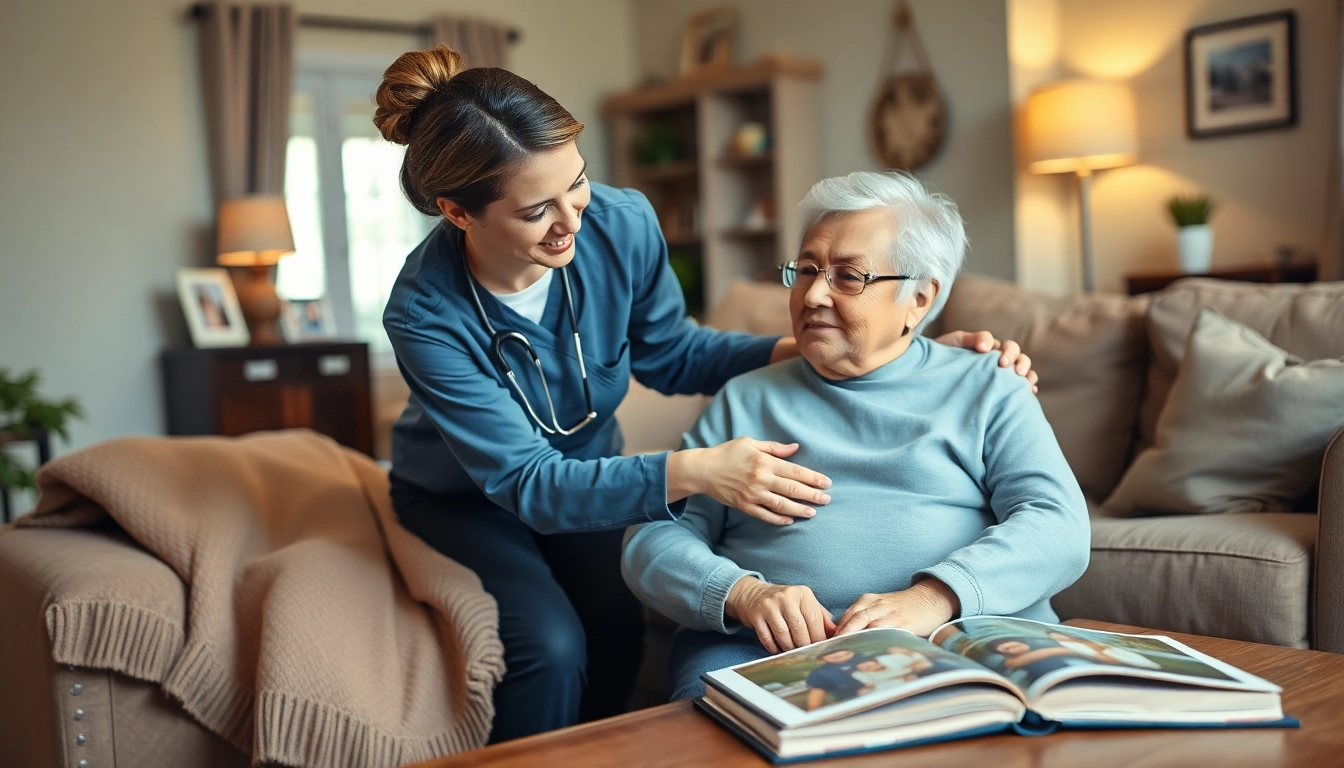
Understanding In Home Senior Care
What is In Home Senior Care?
In home senior care refers to a range of services aimed at assisting elderly individuals who prefer to remain in their own homes as they age. This care can include personal assistance with daily activities, medical support, and companionship. The goal is to help seniors maintain their independence while ensuring they receive the necessary support to manage their health and well-being. Many families opt for in home senior care as an alternative to assisted living facilities or nursing homes, allowing for a more comfortable and familiar living environment.
Benefits of In Home Senior Care
The benefits of in home senior care are numerous and often essential for the quality of life of older adults. Firstly, seniors can maintain their independence and stay in a familiar environment, which can significantly reduce feelings of anxiety and loneliness. In home care can be personalized to meet individual needs, offering flexibility that institutions often lack. Furthermore, caregivers can provide companionship, which is crucial for emotional health, reducing the risk of depression. Access to one-on-one attention ensures that seniors receive the care they need, tailored to their specific conditions and preferences.
Types of Services Offered in Home Senior Care
In home senior care encompasses a wide array of services designed to meet the varying needs of seniors. These can include:
- Personal Care: Assistance with daily activities such as bathing, grooming, and dressing.
- Companionship: Providing social interaction, conversation, and activities to engage seniors.
- Medication Management: Helping to organize medications and reminding seniors to take their prescriptions.
- Meal Preparation: Cooking nutritious meals tailored to dietary needs and preferences.
- Transportation Services: Assisting seniors in getting to appointments, shopping, or social events.
- Skilled Nursing Care: Professional health care services from registered nurses, including wound care and monitoring vital signs.
Choosing the Right Caregiver
Qualifications to Look For in a Caregiver
Selecting the right caregiver is crucial for successful in home senior care. Key qualifications to consider include:
- Experience: Look for caregivers who have relevant experience in senior care, preferably with similar health conditions.
- Certifications: Ensure the caregiver has the necessary certifications, such as CPR and first aid, along with specialized training relevant to senior care.
- References: Always ask for references and follow up with previous clients to gauge the caregiver's reliability and rapport with seniors.
- Background Checks: Confirm that caregivers have passed criminal background checks and have no concerning history.
Interviewing Potential Caregivers
When interviewing potential caregivers, prepare a set of questions that covers their experience, approach to caregiving, and understanding of specific conditions your loved one may face. Some suggested questions include:
- What is your experience in providing care for seniors?
- How do you handle emergencies or challenging situations?
- What approaches do you use to engage seniors in activities?
- Can you provide a typical schedule of services you would provide?
Pay attention to their communication style and whether they seem empathetic and patient, as these personal qualities are just as important as technical skills.
Trust and Compatibility in Caregiver Relationships
The relationship between a caregiver and their senior client is fundamentally built on trust and compatibility. It is essential to choose a caregiver who not only meets the skill set required but also matches your loved one’s personality and preferences. Building this trust takes time, so consider having trial periods where the caregiver interacts with your senior in the home. This allows for the establishment of rapport and ensures that both parties feel comfortable with each other.
Creating a Safe Home Environment
Assessing Home Safety for Seniors
Ensuring a safe home environment for seniors is crucial in preventing accidents and fostering independence. Conduct a thorough assessment of the living space, checking for:
- Mobility Hazards: Remove tripping hazards such as loose rugs, clutter, and unsecured cords.
- Bathroom Safety: Install grab bars, non-slip mats, and consider a shower chair if needed.
- Lighting: Ensure adequate lighting throughout the home, especially in stairways and hallways.
- Emergency Preparedness: Have a written emergency plan that includes contact numbers and escape routes.
Modifications to Enhance Safety
Home modifications can significantly enhance safety for seniors. Consider implementing the following changes:
- Stairlifts: For multi-level homes, stairlifts can provide crucial mobility support.
- Wider Doorways: Adjusting door widths can accommodate wheelchairs or walkers.
- Smart Home Devices: Use technology like smart speakers or emergency response systems to enhance communication and safety.
Each of these modifications can help create a safer living space, reducing fall risks and contributing to peace of mind for both seniors and their families.
Utilizing Technology for Security
Today, various technologies are available to improve safety and security for seniors at home. For example, home monitoring systems can alert caregivers or family members to falls, while medication dispensers can help ensure doses are not missed. Additionally, personal emergency response systems (PERS) allow seniors to call for help with the touch of a button. Incorporating these technologies can create a safer environment and empower seniors to live independently while providing families with peace of mind.
Managing Care Plans
Establishing a Personalized Care Plan
Creating a personalized care plan is essential in in home senior care. Start by thoroughly assessing the senior’s health conditions, daily needs, and personal preferences. Involve healthcare professionals, if necessary, to ensure the plan addresses medical issues appropriately. The care plan should include specifics on the types of services needed, frequency of visits, and details on the caregiver’s responsibilities.
Involving Family in Care Decisions
Family involvement in care decisions is vital. Regularly discuss the care plan with all family members to ensure consistent communication and expectations. Family members can offer valuable insights into the senior's preferences and needs, which is important for tailoring the care plan. Additionally, family involvement can help manage the emotional aspects of caregiving and ensure that the senior feels supported and valued.
Monitoring and Adjusting Care Plans
It is essential to continuously monitor the effectiveness of the care plan and make adjustments as necessary. Regular check-ins with the caregiver and the senior will provide insights into what is working and what isn’t. Be open to feedback from the senior as their needs may change over time. In cases of sudden health changes or shifts in behavior, prompt adjustments should be made to the care plan to ensure the highest quality of care.
FAQs about In Home Senior Care
What is the cost of in home senior care?
The cost varies based on services and location, typically ranging from $20 to $50 per hour.
Is in home senior care covered by insurance?
Some insurance plans may cover in home senior care; it's essential to check with your provider.
How do I know if my loved one needs in home senior care?
Signs include difficulty with daily tasks, safety concerns, or increased health issues requiring assistance.
Can in home senior care help with Alzheimer's?
Yes, specialized caregivers can provide personalized support for seniors with Alzheimer's and dementia.
How do I find a reliable in home senior care service?
Research online, ask for recommendations, and verify credentials and reviews to find a trustworthy service.