Understanding Hydraulic Cylinder Repair
What is Hydraulic Cylinder Repair?
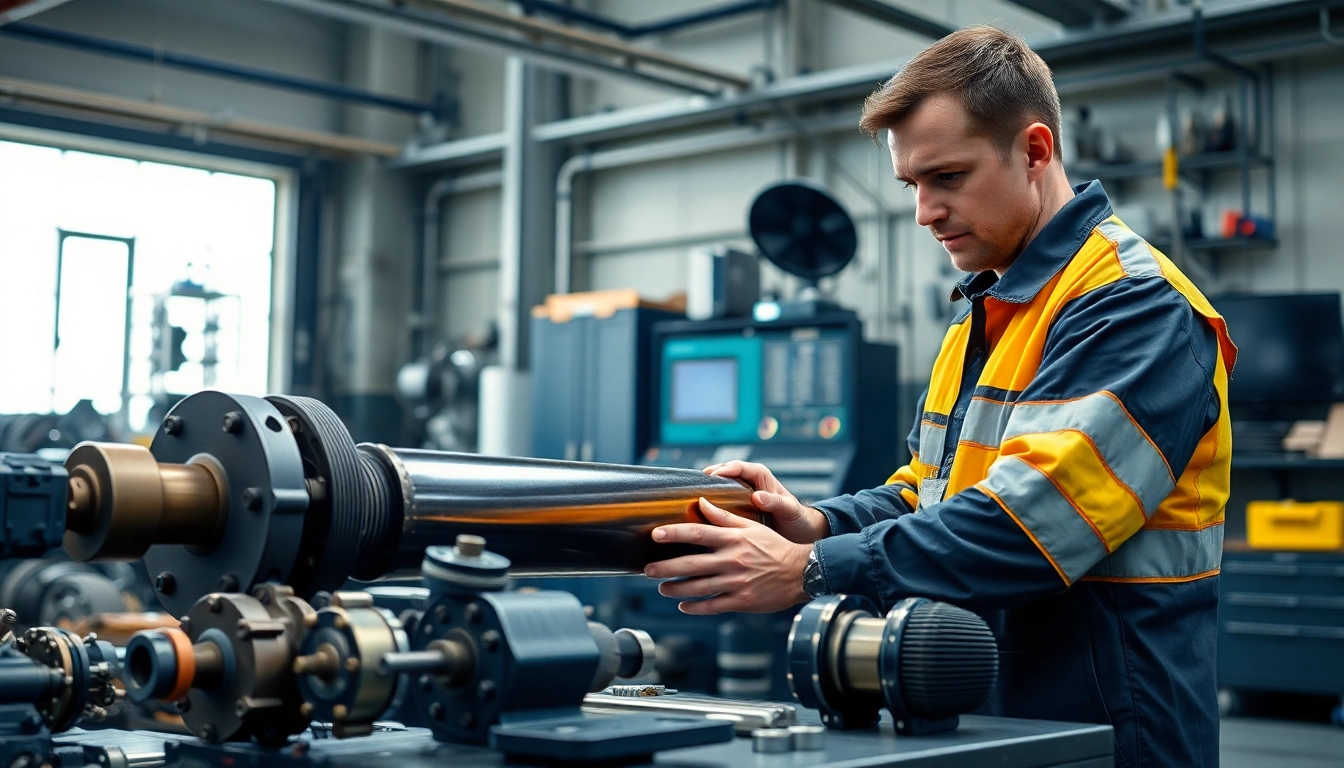
Hydraulic cylinder repair involves the restoration of hydraulic cylinders to restore their functionality and ensure efficiency in operations. Hydraulic cylinders are pivotal components in various machinery, providing the force necessary for lifting and moving objects. When these components fail or degrade, timely and effective repair becomes critical to maintain operational integrity. Engaging in hydraulic cylinder repair processes involves understanding the specific issues causing dysfunction and applying appropriate repair techniques.
Common Issues Leading to Repairs
Hydraulic cylinders can experience a variety of issues stemming from both mechanical and environmental factors. Common problems include fluid leaks, scoring of the piston rods, wear or damage to seals, and cylinder misalignment. Operating under extreme conditions or failing to adhere to maintenance schedules can exacerbate these issues. Recognizing the causes of these failures is essential for implementing effective repair strategies. For instance, if a cylinder is often exposed to debris, ensuring proper filtration and cleanliness can significantly enhance its longevity.
Importance of Timely Repairs
Addressing hydraulic cylinder repairs promptly is essential for several reasons. Firstly, unresolved issues can escalate into more severe damage, potentially leading to complete system failure and costly downtime. Secondly, timely repairs contribute to safety, as malfunctioning hydraulic systems can pose risks to operators and machinery. Regular maintenance and prompt repairs not only enhance performance but also prolong the overall lifespan of equipment, ensuring reliability and productivity over time.
Signs That Your Hydraulic Cylinder Needs Repair
Fluid Leaks and Drips
One of the most noticeable signs that a hydraulic cylinder requires repair is the presence of fluid leaks. These leaks typically occur at seals or fittings and can indicate wear or damage. Even small leaks can lead to significant fluid loss over time, impacting system pressure and performance. Identifying and addressing leaks promptly will help maintain operational efficiency and reduce fluid replacement costs.
Reduced Performance or Efficiency
If a hydraulic cylinder exhibits sluggish operation, or if it fails to lift or move loads as expected, this may signal an internal failure. Reduced performance can stem from issues such as internal wear, fluid contamination, or low hydraulic fluid levels. Regular testing and diagnostics can determine the root cause of performance issues, ensuring timely interventions.
Unusual Noises During Operation
Hydraulic cylinders that produce unusual sounds, such as grinding, rattling, or hissing, may indicate underlying problems. These noises can be symptomatic of internal damage, insufficient lubrication, or air trapped in the system. Addressing these auditory warnings early can prevent further damage and costly repairs.
Repair Process for Hydraulic Cylinders
Inspection and Diagnosis Steps
The repair process begins with a thorough inspection and diagnosis of the hydraulic cylinder. This step involves visually checking for signs of wear or damage and performing pressure tests to assess functionality. Technicians may utilize tools such as ultrasonic testers or pressure gauges to gather precise data. After identifying the issues, a detailed plan for repair is devised, often prioritizing repairs based on their potential impact on overall system performance.
Tools and Equipment Needed
Successful hydraulic cylinder repairs necessitate specific tools and equipment. Common tools include hydraulic wrenches, seal pullers, and honing machines. Additionally, specialized tools such as torque wrenches are critical for ensuring components are reassembled to the correct specifications. Maintaining these tools in good condition is essential for executing high-quality repairs.
Repair Techniques and Best Practices
Repair techniques can vary based on the type of damage. For instance, when addressing seal failures, replacing seals with high-quality materials is vital. Some repairs may involve honing the cylinder bore to remove imperfections or using epoxy compounds to fill minor surface flaws. Best practices emphasize the importance of cleanliness throughout the repair process, as contaminants can compromise the integrity of the cylinder upon reassembly.
Preventative Maintenance for Hydraulic Cylinders
Routine Checks and Servicing
Regular checks and preventive servicing are critical to extending the lifespan of hydraulic cylinders. Implementing a schedule for routine inspections can help identify potential issues before they escalate. Key maintenance tasks include checking fluid levels, inspecting seals for wear, and ensuring that connections and hoses are secure. Establishing a documented maintenance routine also aids in tracking cylinder performance over time.
Factors Affecting Cylinder Longevity
Several factors influence the longevity of hydraulic cylinders, including operating conditions, maintenance frequency, and environmental exposure. For example, cylinders subjected to extreme temperatures or corrosive elements may require more frequent servicing and specialized protective coatings. Additionally, proper storage practices when the equipment is not in use can further extend its service life.
Optimizing Performance Through Maintenance
To optimize performance, it is essential to adopt practices that reduce wear and enhance efficiency. Using high-quality hydraulic fluids tailored to specific operational requirements can significantly affect performance and durability. Regularly monitoring fluid quality and temperature also aids in maintaining optimal performance, allowing for quicker identification of potential issues before they require extensive repairs.
Frequently Asked Questions on Hydraulic Cylinder Repair
How often should I inspect my hydraulic cylinder?
Inspect hydraulic cylinders at least every six months, or more frequently based on usage intensity, to ensure operational safety and efficiency.
What are the costs associated with hydraulic cylinder repair?
Costs can vary widely based on the extent of damage, components needed, and labor expenses. Basic repairs may range from a few hundred to several thousand dollars.
Can I repair my hydraulic cylinder myself?
While some minor repairs can be done DIY, complex issues generally require professional expertise to avoid compromising functionality and safety.
What materials are best for hydraulic cylinder seals?
Best materials for hydraulic seals include polyurethane, nitrile rubber, and PTFE, chosen based on the operating environment and compatibility with hydraulic fluid.
How do I know if my hydraulic cylinder is beyond repair?
If extensive internal damage is confirmed or if the cost of repair exceeds replacement costs, the hydraulic cylinder may be considered beyond repair.