Understanding the Importance of a Fly Fishing Backpack
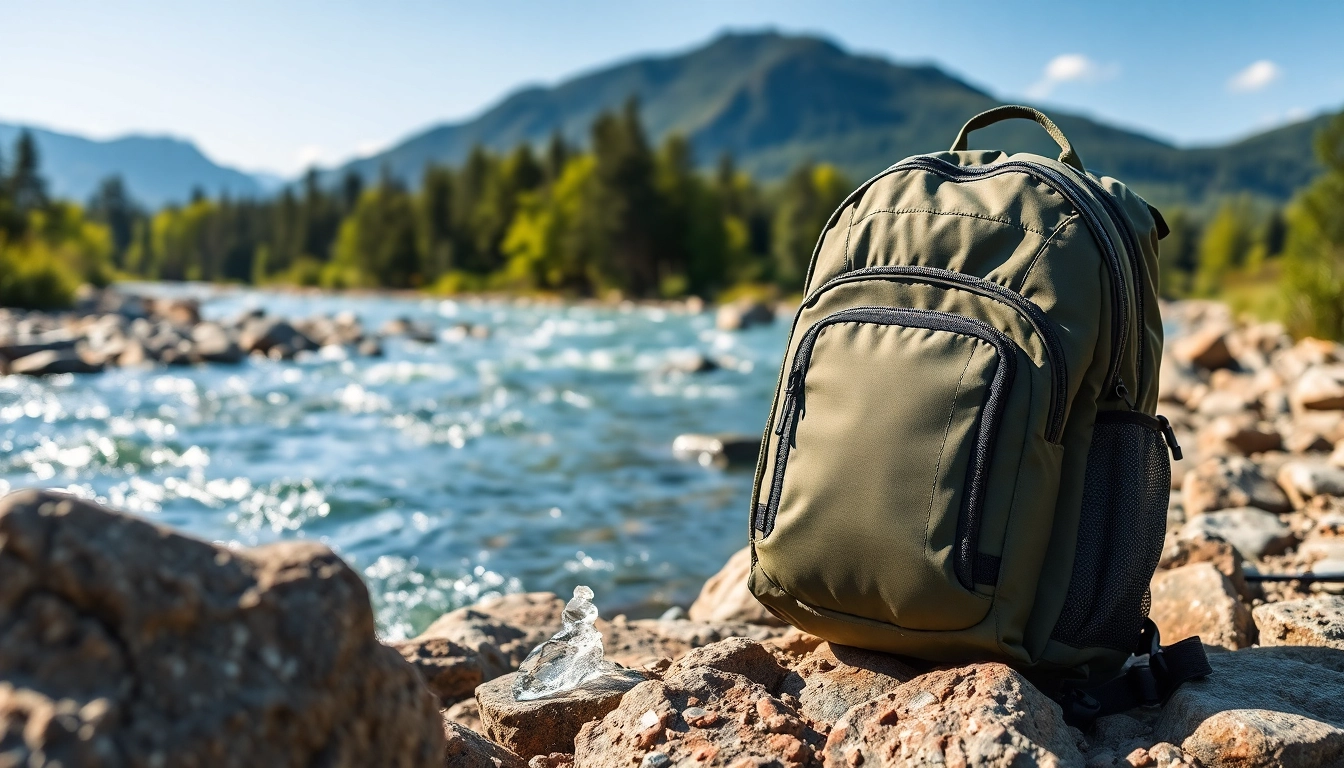
A Fly fishing backpack is an essential piece of gear for anglers who want to ensure that their fly fishing experience is both efficient and enjoyable. The right backpack not only enhances the angler's comfort but also contributes to a more organized and productive day on the water. In the world of fishing, a well-chosen backpack plays a crucial role, allowing the angler to carry their gear conveniently while ensuring easy access to everything they need.
Functionality and Features of a Fly Fishing Backpack
The functionality of a Fly fishing backpack is multi-faceted. Primarily, it serves to carry all the necessary equipment, such as reels, rods, flies, and personal items. However, beyond mere carrying capacity, these backpacks are designed with specific features that enhance usability. For instance, many models include:
- Multiple Compartments: To keep various items organized, from small accessories like tippets and leaders to larger items such as lunch and extra layers.
- Waterproof Materials: Ensuring that gear stays dry even in wet conditions, which is a common occurrence in fly fishing.
- Comfort Features: Such as padded straps, lumbar support, and adjustable sizes catering to all body types.
- External Attachment Points: To easily secure items like nets, rod tubes, or tackle boxes.
How to Assess Your Fly Fishing Backpack Needs
Before purchasing a Fly fishing backpack, it's important to identify specific needs based on your fishing style, typical locations, and duration of trips. Assess the following:
- Duration of Fishing Trips: Are you going for a few hours, the entire day, or multi-day trips?
- Type of Water: Will you be fishing from a boat, on the shore, or wading in rivers?
- Equipment Requirements: What specific gear do you need to carry based on your preferred fishing style?
By carefully considering these factors, anglers can select the right backpack that meets their particular fishing demands.
Comparing Different Types of Fly Fishing Backpacks
There are various types of fly fishing backpacks on the market, each suited for different scenarios and preferences. Here are some common types:
- Day Packs: Designed for short fishing trips, usually lightweight with minimal carrying capacity.
- Multi-Day Backpacks: For extended trips, equipped with additional storage and comfort features.
- Chest Packs: Offer quick access to essential items while keeping hands free, perfect for short wading missions.
- Sling Packs: A hybrid option that allows for easy switching between shoulders, perfect for access without removing the pack.
Understanding these types will aid anglers in choosing the right pack for their needs.
Key Features to Look for in a Fly Fishing Backpack
Water Resistance and Durability
When selecting a Fly fishing backpack, water resistance is a vital feature. These backpacks are often exposed to wet conditions, whether from splashes, rain, or submersion. Materials such as nylon or specialized waterproof fabrics ensure your gear remains dry. Furthermore, durability is crucial as backpacks endure wear and tear from branches, rocks, and rugged environments. Look for reinforced stitching, robust zippers, and high-tenacity fabrics.
Comfort and Ergonomics
Comfort can dramatically alter a fishing day, especially during long hours on the water. A well-designed backpack should feature padded straps, back panels, and possibly a hip belt to distribute weight evenly. Adjustable straps cater to a variety of body types and packing styles. Ergonomics enhance movement and reduce fatigue, which is particularly important given the fluctuating conditions encountered while fishing.
Storage Options and Organization
Effective organization can make a significant difference in an angler's experience. Look for a Fly fishing backpack equipped with compartments of various sizes, tackle trays, or pockets designed specifically for tools and accessories. The ability to quickly locate items without digging through a mixed bag can save precious time during your fishing trip. Additionally, external attachment points help secure larger items while keeping your primary compartments accessible.
Top Materials Used in Fly Fishing Backpacks
Benefits of Nylon vs. Polyester
Nylon and polyester are the two predominant materials for fly fishing backpacks. Nylon is often favored for its strength and resistance to abrasions. It has a higher tensile strength compared to polyester, making it less likely to tear during outdoor use. Polyester, on the other hand, is typically lighter and can provide better UV resistance. Furthermore, it often dries faster than nylon, making it beneficial for wet conditions. Understanding the properties of these materials can guide your choice.
Importance of Waterproof Linings
Incorporating a waterproof lining within a backpack increases its performance in wet environments. Linings provide an additional layer of protection against water ingress, keeping essential equipment safe. Consider backpacks that boast fully sealed seams or waterproof zippers for maximum protection. This detail can be crucial when fishing in unpredictable weather conditions.
Innovative Materials and Sustainability
The fly fishing industry is steadily embracing sustainable materials, leading to innovative backpack designs that prioritize eco-friendliness without compromising on performance. Look for backpacks made with recycled materials or those that diminish the environmental impact of production. Such backpacks not only support the angler but also protect the water and wildlife they cherish.
Care and Maintenance for Your Fly Fishing Backpack
Cleaning Tips for Longevity
To prolong the lifespan of a Fly fishing backpack, regular cleaning is essential. After each trip, it's advisable to empty the backpack and remove any dirt or debris. Most backpacks can be cleaned with mild soap and water; avoid harsh chemicals that can degrade the material. Drying the pack in the shade, rather than direct sunlight, prevents fading and cracking.
Storage Practices When Not in Use
When not using your backpack, proper storage can prevent damage and wear. Store it in a cool, dry place away from direct sunlight or moisture, as prolonged exposure can weaken materials. Additionally, avoid compressing the backpack too tightly, as this may distort the shape and functionality of compartments.
Repairs and DIY Maintenance
Even with the best care, wear and tear may occur. Knowing how to conduct basic repairs, such as sewing small tears, replacing zippers, or re-waterproofing materials, can enhance the longevity of your Fly fishing backpack. Invest in a repair kit that can help address common issues. Furthermore, many outdoor gear shops offer repair services if you prefer professional assistance.
Seasonal Considerations for Selecting a Fly Fishing Backpack
Summer vs. Winter Fishing Needs
Different seasons present varied challenges and requirements for fishing. In summer, a lighter pack may suffice, focusing on hydration and sun protection, while additional storage is essential in winter months for extra layers and safety gear. Understanding these needs will influence your choice of a Fly fishing backpack.
Choosing a Fly Fishing Backpack for Different Conditions
Conditions can fluctuate widely in fishing, often requiring a versatile backpack. For example, if you're fishing in areas with thick brush, a more rugged and durable pack may be necessary, while those fishing in open waters may prioritize comfort and accessibility features. Evaluating conditions and adapting your pack choice can greatly impact your fishing experience.
Advice for Day Trips vs. Multi-Day Adventures
The demands of day trips differ significantly from multi-day excursions. Day trips typically require less specialized gear, making a smaller, lighter backpack appropriate. Conversely, multi-day adventures necessitate a larger capacity and additional features for comfort and organization, such as adjustable harness systems and more compartments for easy access to provisions and equipment.