Understanding Construction Site Safety
Definition and Importance of Construction Site Safety
Construction site safety involves the protocols, practices, and protective measures implemented to ensure the safety of employees, equipment, and the general public during construction activities. These regulations are critical due to the inherently hazardous nature of construction work, which frequently involves heavy machinery, high elevations, and various environmental conditions. Prioritizing construction site safety not only protects workers but also mitigates financial risks associated with accidents and legal liabilities.
Key Statistics on Construction Accidents
Statistics show that construction workers face a significantly higher risk of injury than employees in other industries. According to various reports, including those from the Occupational Safety and Health Administration (OSHA), nearly 8% of the workforce is employed in construction, yet this sector is responsible for approximately 21% of worker fatalities each year. The most common causes of these accidents, often referred to as the "Fatal Four," include falls, electrocutions, being struck by objects, and getting caught in or between objects. Understanding these statistics is crucial for acknowledging the urgency of safety measures on construction sites.
Basic Safety Regulations and Standards
Regulatory bodies such as OSHA enforce stringent safety regulations to ensure safe working conditions in construction. These regulations encompass various aspects, including fall protection, scaffold safety, and proper use of personal protective equipment (PPE). Adhering to these regulations helps create safer work environments and fosters a culture of safety awareness among workers. Additionally, many states have their own specific regulations that may impose further requirements. Organizations must stay informed and compliant with both federal and state regulations to enhance construction site safety.
Common Hazards on Construction Sites
Identifying Physical Hazards in Construction
Construction sites are rife with physical hazards ranging from heavy machinery and working at heights to electrical hazards. Proper identification of these risks is the first step in developing effective safety strategies. Common physical hazards include:
- Falls: Often caused by working from ladders or scaffolding.
- Struck-By Hazards: Resulting from moving machinery or falling materials.
- Caught-In or Between Hazards: Occur when workers are caught between moving machinery and stationary objects.
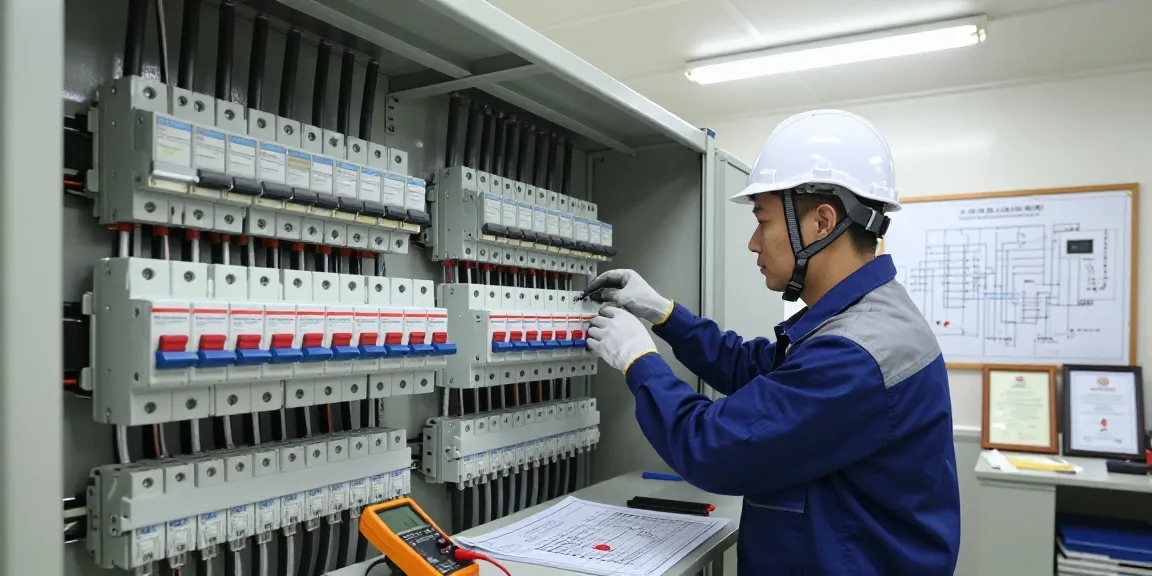
- Electrical Hazards: Can result in electrocution or fire due to improper wiring or equipment.
A thorough site inspection and hazard analysis are essential for early identification of these dangers, enabling proactive measures to be taken before incidents occur.
Common Safety Violations in Construction
Despite existing regulations, safety violations most commonly occur on construction sites. Among these violations, some frequently observed include:
- Inadequate fall protection measures.
- Lack of proper training and supervision.
- Failure to use safety harnesses and PPE.
- Improper scaffold construction and use.
Addressing these violations is vital for enhancing safety culture and ensuring a safer work environment. Employers should regularly review safety procedures and enforce compliance to minimize the risk of breaches.
Effects of Weather on Construction Site Safety
Weather conditions can significantly affect construction site safety. Rain, high winds, snow, and extreme heat can pose hazards that increase the likelihood of accidents. For instance,:
- Wet Conditions: Can lead to slippery surfaces and increased falls.
- High Winds: Compromise scaffold stability and risks flying debris.
- Extreme Heat: Can cause heat-related illnesses among workers.
It is imperative for construction managers to conduct regular weather assessments and adapt work schedules accordingly to prevent accidents during adverse conditions. Proactive planning such as providing hydration stations in hot weather, or rescheduling work during storms, can significantly enhance safety outcomes.
Implementing Safety Measures
Essential Equipment for Construction Site Safety
The right equipment is central to maintaining safety on construction sites. Essential equipment includes:
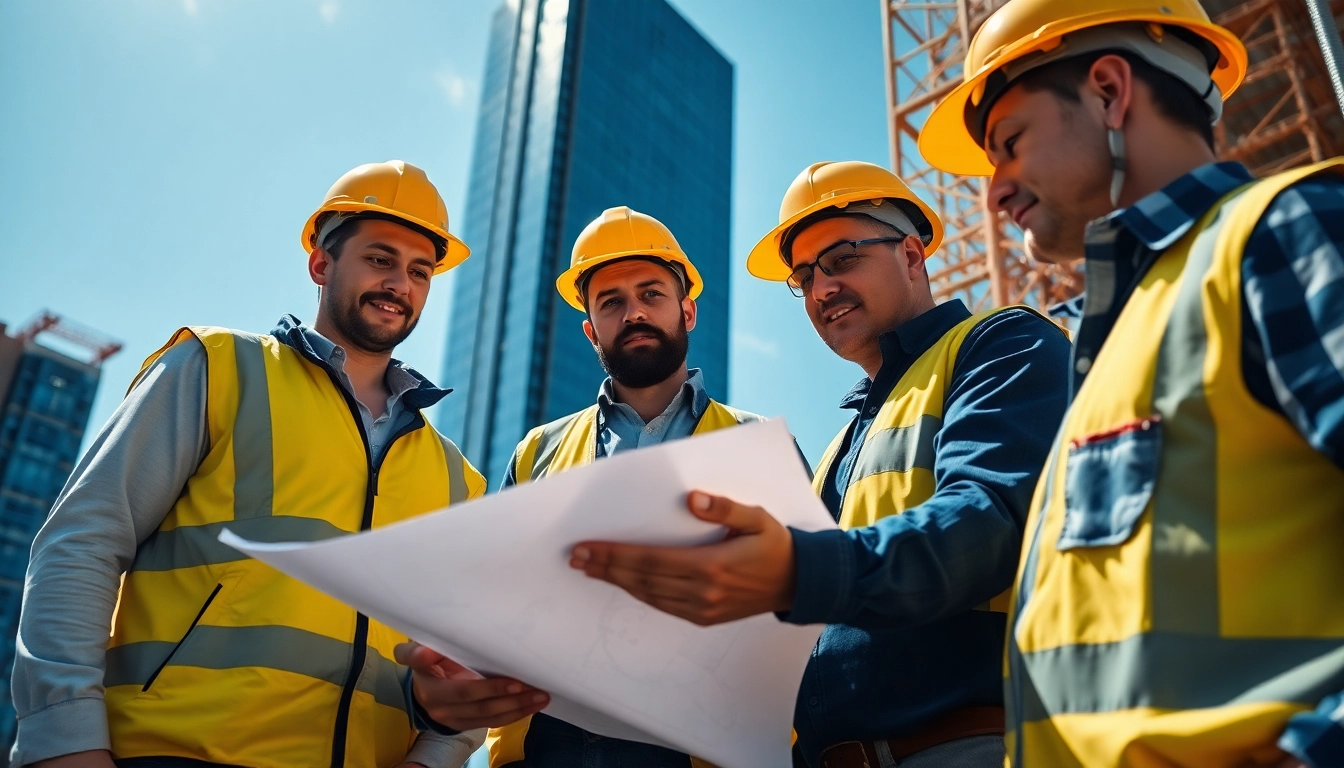
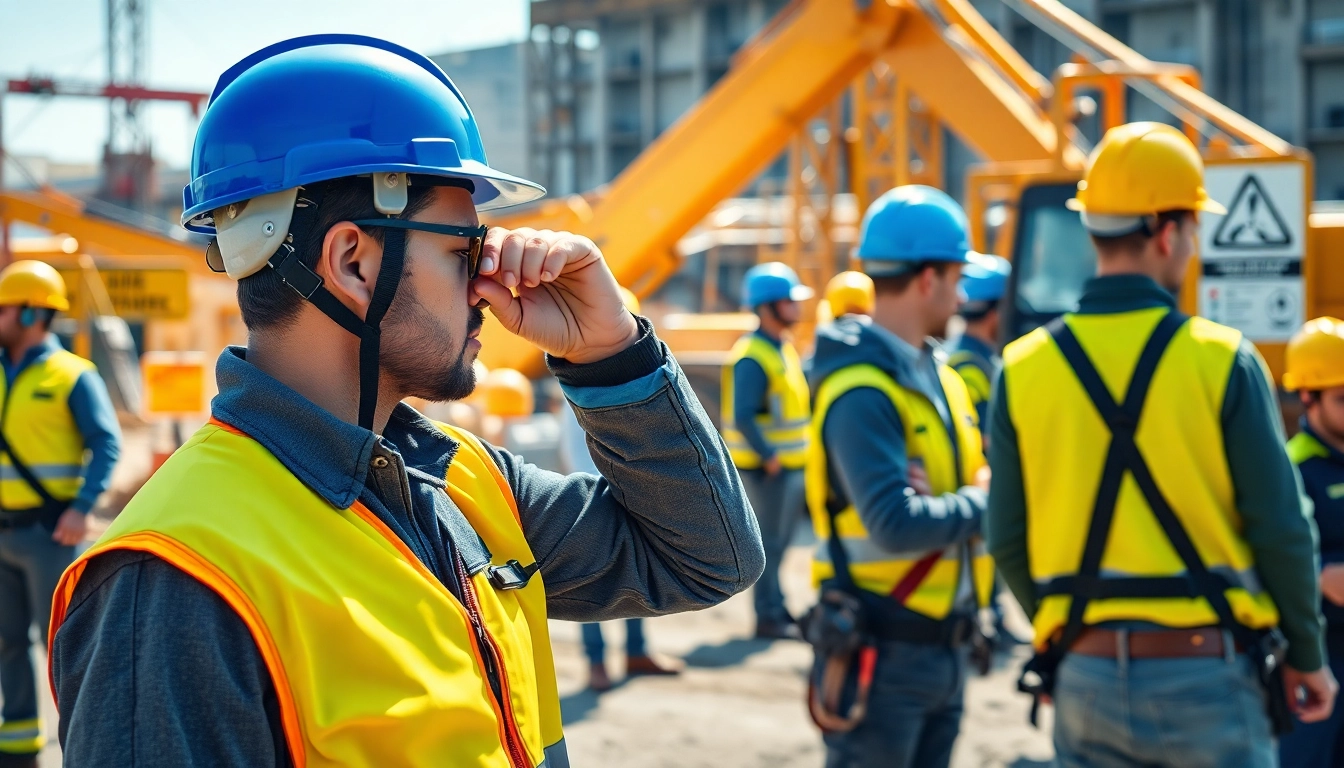
- Personal Protective Equipment (PPE): Such as hard hats, gloves, safety goggles, and high-visibility clothing are fundamental for personal safety.
- Fall Protection Systems: Includes harnesses, guardrails, and safety nets to minimize fall hazards.
- Scaffolding: Must be properly designed and constructed to withstand the loads they will encounter.
Regular maintenance and inspections of all safety equipment ensure they function correctly and comply with safety standards.
Training Programs for Workers
Effective training programs are vital for educating workers about safety protocols, proper equipment usage, and emergency procedures. A comprehensive training program should include:
- Orientation for new employees on site-specific risks.
- Regular safety workshops focusing on the latest safety practices and technologies.
- Emergency response training to prepare workers for accidents or weather-related emergencies.
Investing in ongoing safety training not only improves site safety but also fosters a culture of safety awareness within the workforce.
Creating a Safety Management Plan
A Safety Management Plan (SMP) outlines the protocols and practices necessary to safeguard workers. This plan should encompass:
- Identifying Risks: Conducting regular risk assessments to pinpoint potential hazards.
- Defining Responsibilities: Specifying roles and responsibilities related to site safety management.
- Establishing Compliance Measures: Procedures for adhering to regulatory requirements and internal safety policies.
- Monitoring Performance: Regularly reviewing safety performance metrics and adapting the plan as needed.
A robust SMP serves as a vital tool for managing safety, improving communication, and enhancing overall site safety culture.
Monitoring and Improving Safety Practices
Regular Safety Audits and Inspections
Conducting regular safety audits and inspections is crucial for maintaining a safe construction environment. These audits help assess the effectiveness of safety policies, identify non-compliance issues, and reinforce a culture of safety. Key components include:
- Systematic evaluation of equipment safety standards.
- Regular observations of safety practices among workers.
- Periodic reviews of the Safety Management Plan based on audit findings.
Employing third-party auditors can also provide an unbiased assessment of safety practices and uncover areas for improvement.
Utilizing Technology for Safety Improvement
Technology plays a pivotal role in enhancing construction site safety. Innovative tools and systems provide new ways to monitor and manage risks effectively. Notable advancements include:
- Drones: Useful for site inspections, monitoring safety compliance, and surveying hazardous areas without putting workers at risk.
- Wearable Devices: Smart helmets and vests that monitor vital signs and environmental conditions to alert supervisors to potential hazards.
- Safety Management Software: Tools that streamline the management of safety protocols, training schedules, and compliance reports.
By embracing technology, construction companies can bolster their safety measures and reduce emergency incidents on site.
Emphasizing a Safety Culture on Site
One of the most effective ways to improve construction site safety is by fostering a strong safety culture. This involves:
- Encouraging open communication regarding safety concerns among all workers and management.
- Recognizing and rewarding safe practices to motivate compliance.
- Implementing team-led safety meetings to involve everyone in safety discussions.
A solid safety culture not only promotes adherence to safety regulations but also encourages workers to take personal responsibility for their own safety and that of their colleagues.
Frequently Asked Questions about Construction Site Safety
What are the key elements of construction site safety?
Key elements include proper training, use of PPE, hazard identification and risk assessment, compliance with regulations, and fostering a safety culture.
How often should safety training be conducted?
Safety training should be conducted regularly, with an initial orientation for new employees and periodic refresher courses every 6 to 12 months, or as needed.
What personal protective equipment is essential on a site?
Essential PPE includes hard hats, gloves, safety goggles, fall protection harnesses, and high-visibility clothing to protect against various risks on site.
Are there specific regulations for construction safety?
Yes, OSHA sets specific regulations for construction safety, including guidelines for fall protection, scaffolding, training programs, and PPE standards that must be followed.
How can technology enhance site safety?
Technology can enhance safety through tools like drones for site inspections, wearable devices that monitor worker conditions, and management software to track safety compliance.