

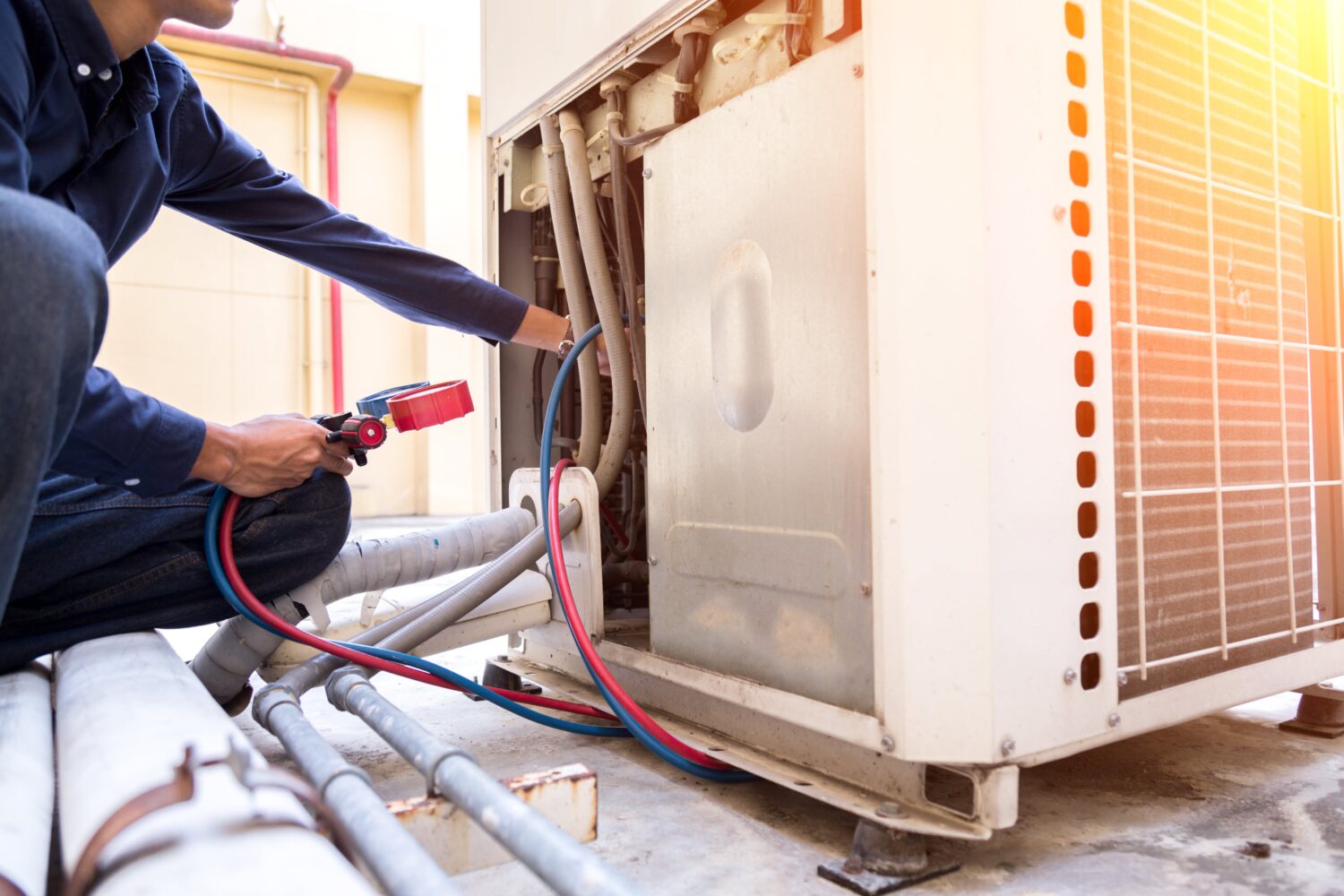
Modern refrigeration systems are essential for businesses that depend on temperature-controlled environments. From restaurants and grocery stores to medical facilities and industrial operations, even a minor refrigeration issue can disrupt operations, increase costs, and lead to product loss. This is why refrigeration system diagnostics has become a critical part of preventive maintenance and long-term equipment performance.
Professional diagnostics help identify system inefficiencies before they lead to costly breakdowns. With advanced testing methods and expert analysis, companies like Buffos Refrigeration help businesses improve equipment reliability, reduce downtime, and extend the lifespan of their refrigeration systems.
As refrigeration technology continues to evolve, accurate diagnostics are no longer optional. They are a key component of efficient and sustainable cooling operations.
- Why Refrigeration System Diagnostics Matter
- Common Signs Your Refrigeration System Needs Diagnostics
- The Process of Professional Refrigeration System Diagnostics
- How Diagnostics Improve Energy Efficiency
- The Importance of Preventive Maintenance
- Choosing Experienced Refrigeration Professionals
- The Future of Refrigeration Diagnostics
- Reliable Refrigeration Performance Starts with Proper Diagnostics
Why Refrigeration System Diagnostics Matter
Refrigeration systems operate under constant demand. Compressors, evaporators, condensers, refrigerant lines, and electrical components must work together efficiently to maintain stable temperatures. When one part begins to fail, the entire system can suffer.
Professional inspections help technicians detect hidden issues early, including:
- Refrigerant leaks
- Electrical failures
- Compressor inefficiencies
- Airflow restrictions
- Sensor malfunctions
- Temperature inconsistencies
- Excessive energy consumption
Without proper diagnostics, these small issues may go unnoticed until they lead to emergency repairs or complete system failure.
Businesses that invest in routine diagnostic services often experience:
- Lower repair costs
- Improved energy efficiency
- Reduced equipment downtime
- Longer system lifespan
- Better cooling consistency
- Increased operational reliability
Preventive diagnostics also help businesses avoid unexpected interruptions that can negatively impact customer service and inventory protection.
Common Signs Your Refrigeration System Needs Diagnostics
Many refrigeration problems develop gradually over time. Recognizing the warning signs early can prevent larger operational issues.
Inconsistent Cooling Performance
If temperatures fluctuate or products are not staying consistently cold, the system may be struggling with airflow issues, refrigerant imbalance, or failing components.
Higher Energy Bills
A sudden increase in energy consumption often signals system inefficiency. Dirty coils, overworked compressors, or refrigerant issues can force equipment to work harder than necessary.
Unusual Noises
Grinding, buzzing, clicking, or rattling sounds may indicate mechanical wear or electrical problems. Early diagnostics can identify the source before severe damage occurs.
Frost or Ice Buildup
Excessive frost accumulation can point to airflow restrictions, evaporator problems, or defrost system failures.
Frequent Cycling
If the refrigeration system turns on and off more often than usual, it may be struggling to maintain proper temperatures due to internal inefficiencies.
Water Leaks
Moisture buildup or water pooling near the system can indicate drainage issues, clogged lines, or refrigerant-related concerns.
Ignoring these warning signs can increase the risk of system failure and expensive emergency repairs.
The Process of Professional Refrigeration System Diagnostics
Professional refrigeration diagnostics involve more than a quick inspection. Experienced technicians use advanced tools and systematic testing procedures to evaluate the overall health of the system.
Initial System Evaluation
Technicians begin by assessing system performance, operating temperatures, airflow, and overall functionality. This helps identify obvious operational concerns.
Refrigerant Pressure Testing
Proper refrigerant pressure is essential for efficient cooling. Diagnostic testing helps detect leaks, overcharging, or undercharging that may affect performance.
Electrical Component Inspection
Electrical systems are carefully evaluated to identify damaged wiring, faulty capacitors, relay issues, or failing motors.
Compressor Performance Analysis
The compressor is one of the most critical components in any refrigeration system. Diagnostics help determine whether the compressor is operating efficiently or showing signs of wear.
Airflow and Coil Inspection
Dirty condenser or evaporator coils can significantly reduce efficiency. Airflow testing helps ensure proper circulation throughout the system.
Sensor and Control Calibration
Modern refrigeration systems rely on sensors and automated controls. Diagnostics verify that temperature sensors, thermostats, and control boards are functioning accurately.
A complete diagnostic process provides businesses with a detailed understanding of current system conditions and potential repair needs.
How Diagnostics Improve Energy Efficiency
Energy efficiency has become a major priority for businesses looking to reduce operational costs and improve sustainability. Commercial cooling equipment is often among the largest energy consumers in many facilities.
Accurate system evaluations can identify inefficiencies that unnecessarily increase energy usage.
Some common efficiency problems include:
- Dirty coils restricting heat transfer
- Refrigerant leaks reduce cooling capacity
- Failing compressors are consuming excess power
- Improper airflow is causing uneven cooling
- Malfunctioning controls running systems longer than needed
By correcting these issues early, businesses can lower utility costs while maintaining reliable cooling performance.
Well-maintained cooling systems also reduce strain on critical components, helping minimize wear and extend equipment lifespan.
The Importance of Preventive Maintenance
Reactive repairs are often more expensive than proactive maintenance. Waiting until a refrigeration system fails can lead to emergency service costs, inventory loss, and operational disruptions.
Preventive maintenance helps businesses stay ahead of potential problems by identifying performance issues before they become serious.
A strong preventive maintenance program typically includes:
- Routine inspections
- Coil cleaning
- Refrigerant level checks
- Electrical testing
- Temperature calibration
- Airflow assessments
- Performance monitoring
Regular system evaluations provide valuable performance data that allows technicians to detect gradual declines in efficiency before major failures occur.
Businesses that prioritize preventive maintenance often experience fewer unexpected breakdowns and more predictable operating costs.
Choosing Experienced Refrigeration Professionals
Not all refrigeration service providers offer the same level of expertise. Complex commercial refrigeration systems require experienced technicians who understand advanced diagnostic procedures and modern cooling technologies.
When selecting a refrigeration service provider, businesses should look for:
Industry Experience
Experienced technicians can identify problems more efficiently and recommend effective long-term solutions.
Advanced Diagnostic Equipment
Modern diagnostic tools provide more accurate testing and faster problem identification.
Preventive Maintenance Expertise
A provider that focuses on long-term system performance can help businesses reduce recurring repair issues.
Fast Response Times
Quick service is essential when refrigeration issues threaten inventory, operations, or customer safety.
Transparent Recommendations
Reliable professionals provide clear explanations, accurate reporting, and honest service recommendations.
Working with a trusted refrigeration company helps businesses maintain reliable cooling systems while minimizing unnecessary repair expenses.
The Future of Refrigeration Diagnostics
Technology is transforming the refrigeration industry. Advanced monitoring systems, automation, and smart diagnostics are making it easier to detect issues in real time.
Modern refrigeration diagnostics may now include:
- Remote system monitoring
- Predictive maintenance alerts
- Automated performance tracking
- Energy usage analysis
- Smart sensor integration
These innovations help businesses improve operational efficiency while reducing the risk of sudden equipment failure.
As energy regulations and sustainability standards continue to evolve, accurate diagnostics will remain essential for maintaining compliant and efficient refrigeration systems.
Reliable Refrigeration Performance Starts with Proper Diagnostics
Effective refrigeration system diagnostics plays a major role in protecting equipment performance, reducing operational costs, and preventing unexpected breakdowns. Businesses that prioritize routine diagnostics can improve efficiency, extend equipment lifespan, and maintain reliable cooling operations year-round.
Professional service providers like Buffos Refrigeration help businesses maintain dependable refrigeration systems through expert inspections, advanced diagnostics, and preventive maintenance solutions. By investing in proactive system care, companies can reduce downtime, improve energy efficiency, and support long-term operational success.
Visit the website to learn more about their services and solutions:https://buffos-refrigeration.com/
