

Understanding the Martial Arts Thriller Genre
Defining Martial Arts Thriller
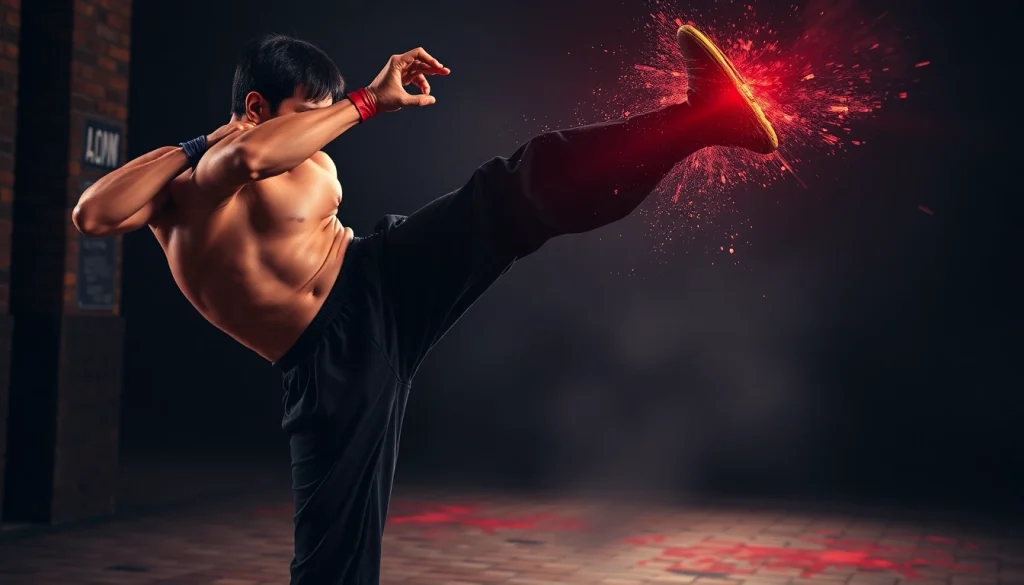
The Martial Arts Thriller genre uniquely blends the adrenaline-pumping elements of martial arts and the suspense of thriller narratives. This crossover categorization highlights a universe where high-stakes action intertwines with psychological twists, ultimately culminating in a captivating cinematic experience. The focus primarily lies in the intricate choreography of fight sequences, deeply layered plot developments, and, at times, the philosophical underpinnings associated with martial arts traditions.
Key Characteristics of the Genre
A standout feature of any Martial Arts Thriller is its action choreography. These films prioritize well-coordinated, visually striking fight scenes that often become pivotal plot points. In addition to physical prowess, the psychological aspects of the characters — their motivations, internal conflicts, and moral dilemmas — contribute significantly to the storytelling. Whether featuring heroes or anti-heroes, the characters typically undergo a journey that tests not only their skills but also their values.
Moreover, a pronounced atmosphere of suspense persists throughout the narrative. A successful martial arts thriller maintains a balance between action-packed sequences and moments that induce tension, drawing audiences deeper into the storyline. This interplay between action and suspense is often achieved through well-written dialogue and the strategic use of cinematic techniques.
Historical Development of Martial Arts Thriller
Tracing the roots of the Martial Arts Thriller genre takes us back to the early 1970s with films like “Enter the Dragon,” where martial arts became a mainstream phenomenon largely due to Bruce Lee’s unparalleled charisma and fighting skills. The blending of martial arts with captivating storylines and suspenseful elements quickly gained traction, leading to a plethora of films that showcased not just physical combat, but also the emotional and moral complexities associated with this art form.
As the genre evolved, various cultures adopted the martial arts thriller model. Hong Kong cinema, particularly through the works of directors like John Woo and Tsui Hark, infused their films with a unique style characterized by swift, stylized action sequences that kept audiences on the edge of their seats. Similarly, contemporary films have captured the essence of martial arts thrillers by incorporating advanced special effects and precise choreography that elevate fight scenes to a whole new level.
Iconic Films in the Martial Arts Thriller Category
Top Martial Arts Thrillers to Watch
When exploring the pantheon of quintessential Martial Arts Thriller films, several titles emerge as standouts. “The Raid” (2011), directed by Gareth Evans, is celebrated for its electrifying fight choreography that blends traditional techniques with modern action. The film’s claustrophobic setting enhances the intensity, proving that location can significantly impact the thrill factor.
Similarly, “Oldboy” (2003) employs a narrative rich in twists and techniques. This South Korean masterpiece combines action and psychological conflict, presenting a labyrinth of revenge that unsettles its audience, making it an iconic representative of the martial arts thriller genre.
An Analysis of Classic Martial Arts Thrillers
To understand what makes a great Martial Arts Thriller, we can study classics such as “Kill Bill” (2003). Quentin Tarantino’s homage to martial arts cinema fuses elements from samurai culture with striking aesthetics. The film employs nonlinear storytelling and pop culture references, making it a significant cinematic text worth analyzing.
Another classic, “Crouching Tiger, Hidden Dragon” (2000), transcends conventional narrative structures by introducing ethereal elements such as the concept of Wuxia, where characters can defy gravity and perform extraordinary feats. The film artfully blends romance, action, and philosophical themes centered on the characters’ quest for honor and tranquility.
New Entrants to the Martial Arts Thriller Scene
In recent years, several films have emerged that rejuvenate and modernize the Martial Arts Thriller genre. “John Wick” (2014) has garnered a massive following due to its stylized action and a world steeped in unique lore regarding secret assassin societies. The meticulous choreography, coupled with a gripping narrative about loss and vengeance, makes it a quintessential film to examine.
Additionally, “The Night Comes For Us” (2018) is an Indonesian film that has received widespread acclaim for its relentless action sequences and emotional depth. The film is an excellent example of how modern cinema is incorporating intricate storytelling along with visceral fight scenes, propelling the martial arts thriller genre into new territories.
Elements that Make a Great Martial Arts Thriller
Choreography and Fight Scenes
Choreography holds a backbone position in the Martial Arts Thriller genre, transforming mere violence into an art form. Well-executed fight scenes not only serve to excite but also enrich the story by embodying the character’s emotional states or conflicts. It is crucial that these sequences resonate with the audience, maintaining believability while pushing narrative boundaries.
To achieve this, filmmakers often collaborate with skilled choreographers who understand the nuances of different martial arts disciplines. Moreover, prioritizing rehearsals ensures that cast members execute moves fluidly, which ultimately sharpens the aesthetic quality of the action sequences.
Storytelling Mechanics in Martial Arts Thrillers
Surpassing mere physical combat, the narrative structure of a Martial Arts Thriller plays a key role in engagement. Strong character arcs and subplot lines serve to heighten the stakes involved. Typically, the protagonist is compelled to confront not only external enemies but also internal conflicts that can manifest through flashbacks or moments of self-reflection.
A balanced pacing of story development combined with action sequences keeps audiences invested in both the characters and their journeys. The revelations made during climactic moments can set the stage for unexpected resolutions, offering viewers layered storytelling that resonates far deeper than routine genre trappings.
Cinematic Techniques Enhancing the Thrill
The cinematic techniques employed in Martial Arts Thriller films are crucial in building atmosphere and maintaining tension. Techniques such as close-up shots during fight scenes can amplify the intensity while employing wider shots captures the overall choreography and setting effectively.
Furthermore, sound design plays an equally vital role; a well-timed soundtrack or sound effect can heighten the emotional stakes of any scene. Directors leverage these tools to create immersive experiences that keep viewers engaged from start to finish.
Impact of Martial Arts Thriller on Popular Culture
Martial Arts Influence on Modern Cinema
The influence of Martial Arts Thriller extends beyond the genre itself, having reshaped action sequences across various types of films, including superhero and science fiction movies. The choreography and visual storytelling techniques cultivated in martial arts thrillers have led to new expectations for action sequences in mainstream cinema.
Directors and choreographers often borrow from martial arts films to create dynamic action sequences, leading to more intricate and visually compelling scenes. The cultural crossover has resulted in films showcasing rich philosophies and values associated with martial arts, thereby elevating them above senseless violence.
Cross-Genre Trends in Martial Arts Thrillers
A hallmark of the Martial Arts Thriller genre is its fluidity to integrate with various other genres. For instance, the intermingling of horror with martial arts has led to thrilling genre hybrids where combat skills play a pivotal role in survival stories. Films like “The Night Comes For Us” and “Kill Bill” examine themes of revenge and justice while intertwining elements from thriller and horror to manipulate audience emotions profoundly.
Furthermore, the rise of martial arts-themed comedic films illustrates how these genres can successfully coexist. The mix of action and humor provides audiences with comprehensive entertainment, showcasing the versatility of martial arts as a foundational lever for storytelling.
Fan Communities and Their Role in the Genre
The martial arts thriller genre has inspired the creation of vibrant fan communities that celebrate the art form. Through social media, forums, and conventions, enthusiasts share their insights, appreciation, and critiques of various films, contributing to a robust dialog surrounding the genre. These communities play a crucial role in nurturing new talent, whether it be through discussions on screenwriting, choreography, or acting.
Notably, fan interaction has encouraged filmmakers to remain attuned to audience preferences and trends, leading to innovative projects that respond to the evolving expectations within the genre. The dedication of fans often influences commercial viability, as loud support for particular films can elevate lesser-known titles to greater recognition.
Creating Your Own Martial Arts Thriller Experience
Developing Compelling Characters for Martial Arts Thrillers
Crafting compelling characters is vital for a captivating Martial Arts Thriller. Characters should be multi-dimensional, with backgrounds, motivations, and fears that resonate with the audience. Understanding the world of martial arts can enhance character depth, allowing for more engaging interactions and conflicts.
Implementing formative backstories often lays the groundwork for character development. Additionally, aspects such as mentor-student dynamics can offer vital emotional beats that enrich narrative arcs while providing audiences with insight into the philosophies of martial arts.
Writing Engaging Plotlines in Martial Arts Thrillers
The intricacies of plotlines in a Martial Arts Thriller builds excitement and engagement. Utilizing traditional narrative structures, such as the hero’s journey, can offer audiences a familiar framework upon which to build fresh twists. Throughout, it’s crucial to layer tension and keep viewers on their toes with unpredictable plot developments.
Integrating unexpected betrayals, moral dilemmas, and personal stakes ensures a sense of urgency, compelling audiences to invest in the characters’ journeys. As the story progresses, weave in themes that elicit emotional responses, making the narrative resonate beyond mere visual excitement.
Resources for Aspiring Martial Arts Thriller Creators
For those aspiring to contribute to the Martial Arts Thriller genre, numerous resources are available. Screenwriting books, online courses, and community workshops can provide foundational skills and critical feedback essential for honing one’s craft.
Furthermore, immersing oneself in martial arts through training or observation can greatly inform the execution of fight choreography and character motivations. Watching curated lists of martial arts thrillers may also inspire unique ideas, providing a deeper understanding of the genre’s expectations and complexities.
Finally, engaging with fans through social media platforms can open avenues for collaboration and community support, which can significantly enhance the creative process.