

Understanding Wet Rooms
What is a Wet Room?
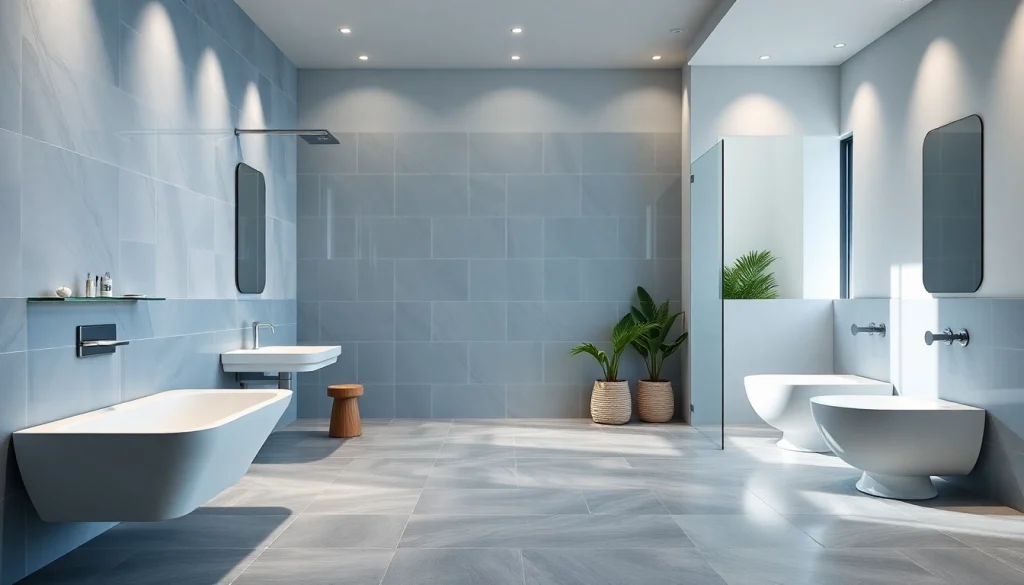
A wet room is a bathroom space designed to create a seamless and waterproof environment, allowing for full immersion in water without traditional barriers. Essentially, wet rooms eliminate the need for shower trays or curtains, with the entire space functioning as a shower area. This modern approach provides flexibility in layout and design, often favored in contemporary home styles. They are ideal for those seeking a minimalist aesthetic, combining elegance with practicality. The decision to adopt a wet room often stems from a desire for a spacious feel combined with sophisticated functionality.
Key Features of Wet Rooms
Wet rooms come with several defining features that enhance their appeal:
- Waterproofing: Each component, including walls and floors, is designed to be fully waterproofed. This prevents water damage and mold growth.
- Drainage Systems: A well-planned drainage system is vital. Flushed floor drains collect water, ensuring there is no accumulation.
- Open Space: The absence of traditional barriers allows for more mobility and an uncluttered atmosphere.
- Slip-Resistant Flooring: The choice of flooring is crucial for safety; wet room flooring materials typically include slip-resistant tiles or vinyl.
- Stylish Design Options: Available in a range of materials such as glass, tiles, and mosaics, wet rooms offer endless customization for personal aesthetics.
Benefits of Installing a Wet Room
Investing in a wet room comes with numerous benefits that appeal to a variety of homeowners:
- Space-Efficient: Wet rooms can make smaller bathrooms feel larger, as there are no obtrusive divisions.
- Accessibility: Wet rooms are ideal for people with mobility issues; they allow easy access without steps or barriers.
- Easy Maintenance: With fewer corners and surfaces to clean, maintenance is quick and efficient.
- Increased Home Value: A well-designed wet room can significantly enhance property value.
- Customizable: They can be adapted to suit various design preferences and functional needs, offering versatility unmatched by traditional bathrooms.
Choosing a Wet Room Supplier
What to Look For in a Wet Room Supplier
Selecting the right supplier for your wet room needs is crucial. A reputable wet room supplier should offer the following:
- Diverse Product Selection: A wide range of materials and products ensures you can find exactly what you need.
- Quality Assurance: Look for suppliers that guarantee quality and offer warranties on their products.
- Expertise and Advice: They should provide guidance on best practices, installation techniques, and product suitability.
- Customer Service: Responsive and knowledgeable customer service is essential for addressing questions or concerns.
- Positive Reputation: Check for testimonials and reviews from past customers to assess their reliability and customer satisfaction.
Questions to Ask Your Wet Room Supplier
When considering a wet room supplier, asking the right questions can help you make informed decisions. Key inquiries include:
- What materials do you recommend for waterproofing?
- Can you provide examples of completed projects or customer references?
- What installation assistance do you offer?
- Are there specific maintenance recommendations for the products you supply?
- What warranty or guarantee do you provide on your products?
Understanding Supplier Credentials and Reviews
When evaluating potential wet room suppliers, pay careful attention to their credentials. Accreditation from relevant industry bodies can indicate quality and professionalism. Moreover, scouring customer reviews across various platforms can provide insight into their reliability and the performance of their products. Look for suppliers that are regularly praised for their customer service, product quality, and after-sales support.
Wet Room Installation Process
Preparing for Your Wet Room Installation
Before initiating your wet room installation, thorough preparation is essential. The following steps can ensure a smooth process:
- Consultation: Discuss your vision and requirements with your supplier, focusing on aspects such as layout, materials, and budget.
- Site Assessment: Have professionals assess your space for plumbing, electrical needs, and any structural changes.
- Planning: Create a detailed plan, including measurements, product selections, and a timeline for installation.
- Budgeting: Outline your budget, including contingency plans for unexpected expenses.
Common Installation Techniques
The installation techniques can vary based on your space and chosen materials, but common practices include:
- Floor Sloping: Adequate sloping must be designed to ensure efficient drainage.
- Waterproof Membrane Installation: A waterproof barrier is installed under tiles and around fixtures to prevent leaks.
- Underfloor Heating: Considered for comfort, it’s often installed alongside the waterproof membrane.
- Wall Mounting: Wall-mounted fixtures and storage options can help save space and provide an elegant look.
DIY vs. Professional Installation
The choice between DIY installation and hiring professionals is significant. While DIY can save costs, the complexities of waterproofing and plumbing require expertise. Inadequate installation can lead to long-term issues, such as leaks or mold growth. Hence, if you’re not experienced in plumbing or construction, hiring professionals may be the safer option, ensuring quality workmanship and adherence to local building codes.
Maintaining Your Wet Room
Cleaning and Upkeep Tips
Maintaining a wet room involves regular cleaning and upkeep to ensure longevity and performance. Effective cleaning starts with:
- Using suitable cleaning products that do not damage waterproof surfaces.
- Regularly checking and cleaning drains to avoid blockages and odors.
- Wiping down surfaces post-use to reduce water scale and soap scum build-up.
- Inspecting and resealing grout lines periodically to maintain waterproofing.
Common Issues and Solutions
Even with proper installation and upkeep, wet rooms can face challenges. Common issues include:
- Water Accumulation: Ensure proper drainage slopes and check for drain clogs.
- Mold Growth: Proper ventilation and regular cleaning can minimize mold occurrences.
- Cracked Grout: Regular inspections and timely repairs help maintain structural integrity.
Long-term Care for a Wet Room
For lasting performance of your wet room, consider the following long-term care strategies:
- Regularly inspect for leaks or water damage.
- Schedule professional maintenance checks annually.
- Replace any damaged fittings or fixtures promptly.
Frequently Asked Questions
What is the average cost of a wet room?
The average cost varies widely depending on materials and sizing, typically ranging from $5,000 to $15,000.
Can I install a wet room on any floor type?
Wet rooms can be installed on various floor types, provided proper waterproofing and drainage systems are in place.
Are wet rooms suitable for small bathrooms?
Yes, wet rooms can enhance small spaces by providing an open, airy feel and minimizing clutter.
How do I choose the right drainage system?
Consider your floor slope and size; linear drains are often preferable for their efficiency in water removal.
What materials are best for wet rooms?
Tiles, vinyl, and glass are popular for their waterproof properties and aesthetic appeal; consider slip-resistant options for safety.