
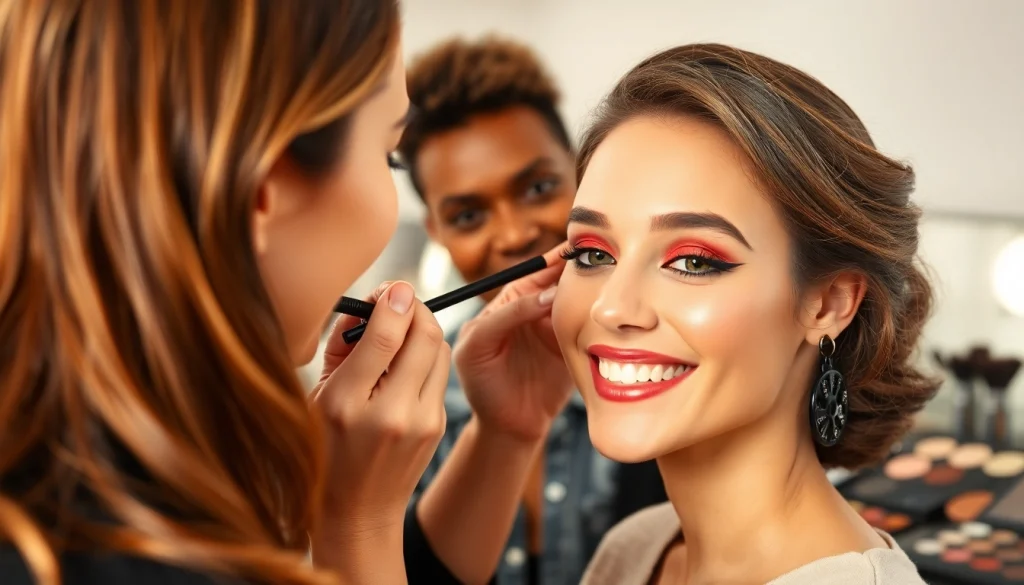

Introduction to Makeup Courses
The beauty industry continues to evolve, with makeup artistry taking center stage as a highly sought-after profession. Whether you’re an aspiring artist or someone who simply wants to refine their skills, understanding the essentials of makeup courses is crucial. This guide will walk you through the various aspects of makeup courses, including the types available, skills acquired, and tips for choosing the right course to meet your career aspirations.
What Are Makeup Courses?
Makeup courses are structured programs designed to impart knowledge and skills related to makeup application techniques, trends, and products. They range from basic courses aimed at beginners to advanced classes focused on specialized techniques. Typically, they incorporate hands-on training with practical applications to facilitate learning.
Why Attend Makeup Courses?
Enrolling in makeup courses offers numerous benefits, including professional growth and personal development. For beginners, these courses build a strong foundation in makeup artistry, while seasoned artists can refine their techniques or explore new trends. Graduates often find themselves in better positions to secure jobs in salons, fashion shows, or on film sets. Additionally, many courses offer networking opportunities, connecting students with industry professionals.
Who Can Benefit from Makeup Courses?
Makeup courses cater to a broad audience. Aspiring makeup artists looking to enter the field, beauty enthusiasts wanting to enhance their skills, and professionals seeking further training are all well-suited for these courses. Furthermore, individuals aiming to start their own makeup business can gain practical insights into the industry, helping them to attract clients effectively.
Types of Makeup Courses Available
Basic Makeup Courses
Basic makeup courses are suitable for beginners and cover fundamental aspects of makeup application. These courses typically teach the basics of skin preparation, foundation application, color matching, and everyday makeup techniques. Students gain hands-on experience and learn about various products, tools, and sanitation practices.
Advanced Makeup Techniques
Advanced makeup techniques courses focus on elevating the skills learned in basic courses. Students delve into specialized techniques, such as contouring, bridal makeup, and special effects. These courses are designed to help aspiring artists build their portfolios with advanced creative looks, gaining valuable insight into industry standards and expectations.
Specialized Makeup Courses
Specialized makeup courses offer targeted training in specific areas of makeup artistry, such as theatrical makeup, airbrush techniques, makeup for photography, and prosthetics. These courses often cater to students who have completed basic and advanced training and are looking to carve out a niche in the industry.
Skills You Will Learn in Makeup Courses
Color Theory and Application
A significant component of makeup artistry is understanding color theory. Makeup courses implement lessons on color matching skin tones and selecting shades that complement various complexions. Practical exercises enable students to experiment with color applications, enhancing their ability to create visually appealing looks.
Face Shapes and Makeup Design
Makeup courses emphasize the importance of face shapes in makeup design. Students learn to identify various face shapes and apply makeup techniques that enhance or alter the perception of features. This knowledge equips aspiring artists with the capability to adapt their style to individual clients effectively.
Professional Techniques and Tools
Understanding the tools of the trade is essential for any makeup artist. From brushes and sponges to airbrush equipment, makeup courses cover how to use these tools efficiently. Students learn about product application, tool maintenance, and the importance of using the right tool for specific effects.
Choosing the Right Makeup Courses
Criteria for Selecting Makeup Courses
When selecting makeup courses, consider factors such as course content, duration, and qualifications of instructors. Look for programs that offer a blend of theoretical and practical lessons to ensure a comprehensive experience. It’s also essential to evaluate how the course aligns with your career goals and interests.
Researching Makeup Course Providers
Researching potential course providers involves reviewing their credentials, student reviews, and success stories. Consider reaching out to alumni to gather insights about their experiences. Quality course providers often showcase student work and details about instructors’ backgrounds to instill confidence in prospective students.
Evaluating Course Outcomes
Before enrolling, evaluate the expected outcomes of the makeup courses. Look for programs that provide certification upon completion or offer career support services, such as job placements or portfolio development. Ensuring that the course aligns with industry standards can boost your employability and career prospects.
Frequently Asked Questions about Makeup Courses
What are the typical costs of makeup courses?
Costs for makeup courses can vary widely based on the course type and provider. Basic courses may start at a few hundred dollars, while specialized or advanced courses can range significantly higher based on curriculum depth and duration.
How long do makeup courses usually last?
The duration of makeup courses varies. Basic courses can be completed in a few weekends, while advanced or specialized courses may last several weeks or even months, depending on the intensity and subject matter.
Are online makeup courses as effective as in-person?
Online makeup courses can be highly effective, especially if they provide video tutorials and interactive elements. However, the hands-on practice of in-person training allows for immediate feedback and guidance, making it invaluable for skill development.
Do I need prior experience before taking makeup courses?
No prior experience is typically needed for basic makeup courses; they are designed for all skill levels. Advanced courses may assume a foundational understanding of makeup application, so beginners should start with basics before advancing.
What certifications can I earn from makeup courses?
Many makeup courses offer certifications that validate your skills. These certifications can enhance your resume and demonstrate credibility to potential employers, making you a more competitive candidate in the beauty industry.