
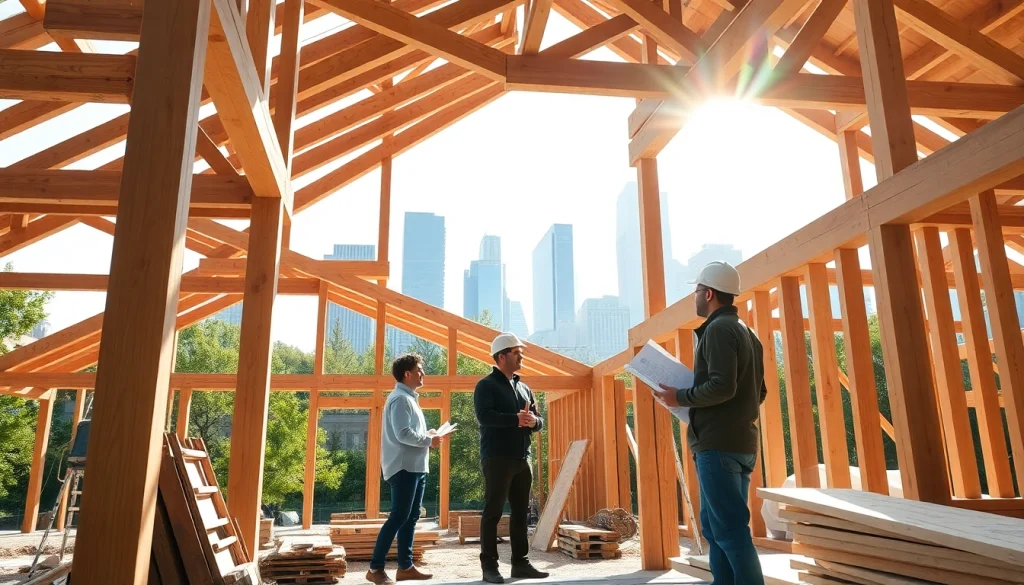

Introduction to Structural Timber Frame
Structural Timber Frame has emerged as a popular choice in modern construction due to its aesthetic appeal, sustainability, and structural integrity. It utilizes engineered timber products to create a durable framework for a variety of building types, from residential homes to commercial spaces. This method not only enhances the visual aspect of buildings but also supports environmentally-conscious construction practices. Understanding the use and benefits of a Structural Timber Frame can play a crucial role in making informed design and building decisions.
Understanding Structural Timber Frame
The concept of Structural Timber Frame revolves around the use of timber as a primary building material, specifically in the framing of structures. Essentially, timber framing involves the assembly of prefabricated wooden panels into a cohesive structure, providing the necessary support for a building’s roof, walls, and floors. This approach not only ensures strong load-bearing capacity but also allows for flexibility in the design of spaces. Engineered timber products, such as laminated veneer lumber (LVL) and cross-laminated timber (CLT), are commonly employed to enhance performance and efficiency.
Benefits of Using Structural Timber Frame
The benefits of utilizing Structural Timber Frame in construction are manifold:
- Sustainability: Timber is a renewable resource, contributing to a lower carbon footprint compared to conventional materials like steel or concrete.
- Energy Efficiency: Timber provides excellent thermal insulation properties, reducing heating and cooling expenses.
- Speed of Construction: Since components can be prefabricated off-site, the overall construction time is significantly reduced.
- Aesthetic Versatility: The warm appearance of timber appeals to modern architectural styles, allowing for creativity in design.
Common Applications of Structural Timber Frame
Structural Timber Frame is versatile, making it suitable for various applications, including:
- Residential Buildings: Single-family homes, multi-family units, and townhouses.
- Commercial Spaces: Retail outlets, offices, and mixed-use developments.
- Educational Institutions: Schools and universities benefiting from open spaces.
- Healthcare Facilities: Hospitals and clinics requiring patient-centric designs.
Designing with Structural Timber Frame
Key Design Considerations
When designing with Structural Timber Frame, several key considerations should be taken into account:
- Load Calculations: Assessing the load-bearing requirements to ensure structural safety.
- Moisture Control: Implementing strategies to minimize humidity exposure and prevent decay.
- Connections: Selecting appropriate fasteners and joint designs to ensure longevity and integrity.
- Building Codes: Complying with local regulations and standards for timber construction.
Creating Aesthetic Harmony with Structural Timber Frame
One of the remarkable advantages of Structural Timber Frame is its ability to create visual harmony within a space. This can be achieved through careful selection of finishes, integration with other materials (like glass or metal), and thoughtful architectural details. Open floor plans that showcase timber beams and trusses create an inviting and warm environment, blending functionality with beauty.
Innovative Techniques in Structural Timber Frame Construction
Innovation in timber framing is accelerating, introducing methods that enhance efficiency and sustainability:
- Prefabrication: Off-site assembly of components minimizes waste and optimizes quality control.
- 3D Modelling: Digital tools enable precise planning and visualization of complex designs before physical implementation.
- Smart Technology: Integration of IoT devices to monitor building performance, enhancing energy efficiency.
Installation Best Practices for Structural Timber Frame
Preparing the Site for Structural Timber Frame
Proper site preparation is critical for successful installation. It includes clearing debris, leveling the ground, and ensuring proper drainage to promote the longevity of timber structures. Additionally, it is advisable to conduct soil tests to confirm stability, particularly when the project involves substantial loads.
Step-by-Step Installation Process
- Foundation Laying: Construct a solid foundation that meets load specifications.
- Framework Assembly: Erect the timber frame, ensuring all connections are secure and adequately placed.
- Sheathing Installation: Apply sheathing materials to provide structural support and insulation.
- Roofing and Interior Work: Complete roofing installations and begin interior framing.
- Finishing Touches: Finalize exterior finishes and interior designs to achieve the desired aesthetic.
Safety Measures During Installation
Safety should be paramount during the installation of Structural Timber Frame. Key measures include:
- Providing workers with proper safety gear (helmets, gloves, and harnesses).
- Implementing a comprehensive training program focusing on equipment handling.
- Conducting regular safety assessments on-site to identify potential hazards.
Maintaining Structural Integrity of Timber Frames
Regular Maintenance Tips for Structural Timber Frame
To maintain the integrity and appearance of Structural Timber Frame, consider the following maintenance practices:
- Conduct visual inspections for signs of wear and tear.
- Reapply protective coatings to wooden surfaces to prevent moisture infiltration.
- Clean gutters and drainage systems to avoid water damage.
Identifying and Fixing Common Issues
Common issues that can arise with Structural Timber Frame include:
- Wood Rot: Caused by excessive moisture; it’s essential to remove affected sections and treat surrounding areas.
- Pest Infestation: Regularly inspect for signs of termites or beetles, and treat any infestations promptly.
- Creaking Sounds: Often from loose connections; check and tighten fittings as needed.
Longevity Factors for Structural Timber Frame
Longevity is influenced by various factors, including:
- Climate: Timber frames must be designed to withstand local weather conditions.
- Quality of Materials: Utilizing high-grade timber enhances durability.
- Application of Treatments: Preventive treatments can extend the life of timber components considerably.
Future Trends in Structural Timber Frame Construction
Sustainable Practices and Innovations
As sustainability becomes a central focus in construction, the trend towards using environmentally-friendly materials and practices in Structural Timber Frame is on the rise. Adoption of practices such as sustainably sourced timber and minimizing waste through efficient construction methods are paramount in shaping the future of the industry.
Technological Advancements Impacting Structural Timber Frame
Technological advancements have introduced innovative solutions to traditional timber framing challenges. The use of advanced software for design and engineering, along with automated construction techniques, is revolutionizing how timber structures are conceived and built.
The Role of Structural Timber Frame in Eco-Friendly Building
With growing concerns about climate change, the Structural Timber Frame plays a vital role in eco-friendly building practices. Its ability to sequester carbon, coupled with high energy efficiency potential, positions it as a front-runner in sustainable construction. Emphasizing eco-friendly designs ensures that structures serve not only their inhabitants but also the planet.
FAQs About Structural Timber Frame
What is a Structural Timber Frame?
A Structural Timber Frame is a construction system that uses engineered timber to create sturdy frameworks for buildings, providing structural support for various applications.
What are the main benefits of using Structural Timber Frame?
The primary benefits of Structural Timber Frame include sustainability, energy efficiency, rapid construction, and aesthetic versatility, enabling a range of design possibilities.
Is Structural Timber Frame cost-effective?
Yes, although initial costs can vary, the long-term savings on energy bills and quicker construction times generally make Structural Timber Frame a cost-effective choice overall.
How do I maintain a Structural Timber Frame building?
Regular visual inspections, addressing moisture issues, and applying protective coatings are essential for maintaining the structural integrity and appearance of Timber Frame buildings.
Can Structural Timber Frame buildings be eco-friendly?
Yes, using sustainably sourced timber and implementing energy-efficient design principles makes Structural Timber Frame buildings environmentally friendly options in construction.