

Understanding Scandia’s Design Philosophy
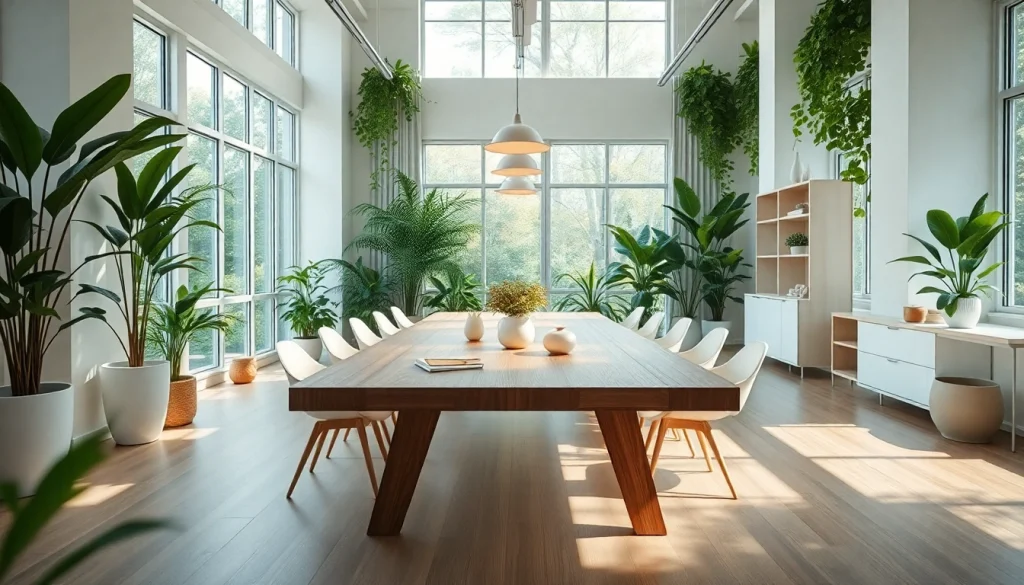
Scandia design embodies the harmony of minimalism, functionality, and natural elements. It reflects a deep appreciation for the environment and promotes a lifestyle that encourages wellness through thoughtful design. To explore this aesthetic further, one can delve into the Scandia approach, which integrates intricate details and simplicity to create spaces that are both beautiful and practical.
Key Characteristics of Scandia Design
The essence of Scandia design can be distilled into several key characteristics. Predominantly, it embraces minimalism, which prioritizes clean lines and clutter-free spaces. This simplicity creates an open feeling within the home, encouraging a sense of peace and harmony. Color palettes commonly reflect the muted tones of nature, from soft whites and grays to gentle earthy shades. Furniture pieces are often functional yet stylish, contributing to the ambience without overpowering the space.
Another defining trait is the use of natural materials. Wood, stone, and organic fabrics are staples in Scandia design, establishing a visual connection to the surrounding environment. This approach not only emphasizes aesthetics but also resonates with a commitment to sustainability, making it a modern choice for eco-conscious homeowners. Combining texture through textiles and finishes further enhances the visual interest of a space, allowing for warmth within the minimalist aesthetic.
Importance of Functionality and Aesthetics
In Scandia design, functionality is just as crucial as aesthetics. The objective is to create spaces that are not only visually pleasing but also serve practical purposes. Each piece of furniture is chosen for its utility, with an emphasis on versatility. For example, a coffee table may also serve as additional storage or a dining area transition seamlessly into a workspace. This duality enables homeowners to adapt their spaces to varying needs without sacrificing style.
The synergy between functionality and aesthetics promotes an environment where individuals can thrive, enhancing productivity and comfort. Furthermore, it encourages mindfulness in choices—every element in a room has a purpose, contributing positively to the overall experience of the space.
Incorporating Sustainability in Design
Sustainability stands at the forefront of modern design, and Scandia is no exception. Many of the design principles embedded in Scandia aesthetics guide individuals towards eco-friendly choices. Using sustainable materials like reclaimed wood or non-toxic paints minimizes environmental impact and reflects a commitment to responsible living.
Efforts may also extend to energy efficiency, with designs often incorporating natural light and ventilation to reduce reliance on artificial lighting and climate control. By embracing sustainability as a core design philosophy, Scandia transforms living spaces into sanctuaries that foster well-being while honoring the planet.
Essential Elements for Creating a Scandia-Inspired Space
Creating a Scandia-inspired environment requires intentional planning and design choices. Reflecting the values of simplicity, functionality, and organic beauty takes thoughtful application. Key elements include color selection, furniture design, and spatial utilization.
Choosing the Right Color Palette
The color palette of a Scandia-inspired space is typically defined by soft, muted tones inspired by nature. Think of cloudy skies, forest greens, sandy beiges, and warm grays. These colors help create a tranquil atmosphere that calms the mind and spirit. When choosing colors, consider how natural light interacts with them; lighter shades can make spaces feel larger and airier, while richer tones can add warmth and coziness.
Accent colors can be introduced through decorative elements such as pillows, artwork, and rugs while maintaining a balance that does not overwhelm. By sticking to a cohesive palette, your space will embody the aesthetic of Scandia, promoting serenity and cohesiveness throughout the home.
Optimal Furniture Selection
In a Scandia design space, furniture is often minimal yet functional. When selecting furniture, prioritize pieces with clean lines and simple forms made from natural materials. Low-profile couches, lightweight dining tables, and modular storage solutions exemplify this style, which encourages flexibility and adaptability.
Additionally, the furniture should offer comfort and usability. Ergonomic chairs and soft textiles are not only essential for comfort but also contribute to the inviting atmosphere typical of Scandia design. When possible, opt for items that serve more than one purpose—for instance, a sofa bed or storage ottoman—maximizing both form and function in your living areas.
Utilizing Space Efficiently
Maximizing space utilization is a fundamental aspect of Scandia design. Open-concept layouts promote flow while allowing natural light to penetrate freely across different areas. When designing a space, utilize multifunctional furniture to save space while enhancing functionality. For smaller areas, consider built-in storage and bespoke cabinetry that can provide both utility and a seamless look.
This effective use of space creates an environment that feels airy and accessible, vital for the Scandia essence. When spaces do not feel cluttered or chaotic, they resonate with tranquility and peace, suitable for modern living.
Integrating Nature in Scandia Design
Naturality is at the heart of Scandia-inspired spaces, reflecting a design ethos that draws from the environment. This natural integration elevates the living experience, connecting inhabitants to nature, which has been shown to enhance well-being.
Benefits of Biophilic Design
Biophilic design, which incorporates natural elements into built environments, offers profound psychological and physical benefits. It fosters an overall sense of well-being, reducing stress and fostering creativity. Elements like water features, plants, and natural materials contribute to a comforting atmosphere, bridging the gap between the indoors and outdoors.
With an emphasis on natural light, Scandia spaces often utilize large windows and open spaces to allow sunlight to flood in, which can elevate mood and productivity. Studies have shown that exposure to natural elements can improve cognitive function and emotional health, making biophilic design a worthy consideration in any home renovation.
Best Indoor Plants for Your Space
Incorporating indoor plants is a vital aspect of Scandia design, helping to purify air and heighten the connection with nature. Some of the best plants for Scandia-inspired decor include:
- Snake Plant: Hardy and low-maintenance, it’s perfect for beginners.
- Pothos: Versatile and trailing, ideal for adding greenery at varying heights.
- Fiddle Leaf Fig: A statement piece with large leaves, adding character to a room.
- Peace Lily: Known for its air-purifying properties, it blooms beautiful white flowers.
- ZZ Plant: Extremely low maintenance and tolerant of low light.
When placing plants, aim for various heights and sizes to create visual interest and layers. Position them near natural light sources for optimal growth, and consider their watering needs and humidity preferences when arranging them throughout your space.
Natural Light and Airflow Considerations
Designing for natural light and airflow is a cornerstone of Scandia aesthetics. Large windows and strategically placed openings allow light to filter into every corner, energizing and uplifting the space. Consider the orientation of your home and choose window treatments that maximize light and privacy simultaneously.
Additionally, airflow contributes significantly to comfort. Open floor plans and carefully placed vents maintain an even temperature while reducing the need for artificial heating or cooling. Incorporating features like skylights can also enhance airflow and brightness in less illuminated rooms.
Practical Tips for Implementing Scandia Design
Bringing together the above elements involves practical strategies to create a cohesive Scandia-inspired environment. With a focus on comfort, functionality, and style, homeowners can successfully merge principles into their spaces.
Maximizing Comfort with Textiles
Textiles play a pivotal role in enriching the warmth of Scandia design. Choose natural fabrics such as cotton, linen, and wool for upholstery, curtains, and accents. These materials not only contribute to comfort but also promote a soothing atmosphere.
Layering different textures—such as plush blankets, soft area rugs, and thick cushions—adds dimension to the design. To maintain the airy quality central to Scandia, opt for light-colored textiles that reflect the overall color palette while remaining inviting.
Creating Functional Zones
In open-concept environments, delineate spaces through functional zones. Use area rugs to define living areas, or implement furniture arrangements to separate dining and relaxing spaces. This creates a sense of utility and organization without sacrificing openness.
Consider multifunctional pieces to support varying activities within a zone. For instance, a coffee table can serve both as a center point for conversation and as a workspace for hobbies. This adaptability aligns perfectly with the principles of Scandia design.
Styling with Accessories and Art
Accessories and art provide personality and excitement in Scandia-inspired spaces. Curated collections of artwork, ceramics, and pottery can highlight your style without overwhelming the environment. When selecting pieces, embrace a minimalist approach, ensuring that each item has meaning and enhances the overall aesthetic.
Utilize natural materials and organic shapes to mirror the themes of the surrounding decor. For instance, a large piece of art that features natural scenery can tie together the themes of relaxation and natural beauty. Always aim for balance, ensuring that decorations complement rather than compete with the core design elements.
Measuring the Impact of Scandia-Inspired Changes
Implementing Scandia-inspired design is not only about aesthetics but also about evaluating its effectiveness over time. Feedback and performance metrics are vital to understanding the impact of changes made to your space.
Using Performance Metrics and Feedback
One practical approach to measuring the impact of design changes is through performance metrics, which may include energy efficiency, occupant satisfaction, or frequency of use of spaces. Surveys or direct feedback from family members on comfort and usability can provide actionable insights for continual improvement.
Documenting energy costs before and after design changes can also reveal significant benefits associated with improved airflow and natural light management, reinforcing the design’s effectiveness. Consistent evaluation ensures that your space remains functional, sustainable, and beautiful.
Comparing Before and After Transformations
To truly appreciate the impact of Scandia-inspired changes, compare the before and after conditions of your space. Take comprehensive photographs and note specific improvements and changes in feelings or functionality within areas.
Highlight areas that have improved in terms of usability, comfort, and aesthetic appeal. Such comparisons offer not only validations of your design choices but can also inspire further refinements to attain the desired balance of form and function.
Long-term Benefits of Scandia Design Implementation
Implementing Scandia design principles yields long-lasting benefits that transcend aesthetic appeal. Spaces designed with simplicity and functionality in mind foster a sense of tranquility and well-being. Such environments often promote mental clarity and improve overall health by incorporating nature and sustainable practices.
Moreover, the holistic approach of Scandia design means that over time, homeowners can reap economic benefits associated with reduced energy costs and increased property value, making it a wise investment in one’s living conditions. As society continues to recognize the importance of mindful living, spaces that embody these principles become increasingly sought after.
Frequently Asked Questions
What is Scandia Design?
Scandia design is a philosophy characterized by minimalism, functionality, and the use of natural elements, promoting harmony and well-being within living spaces.
How do I choose colors for a Scandia-inspired space?
Select muted and soft tones inspired by nature, like whites, grays, and earthy shades, to create a tranquil atmosphere that aligns with Scandia design principles.
What furniture works best in Scandia design?
Opt for pieces that feature clean lines, natural materials, and multifunctionality to ensure both style and comfort within your Scandia-inspired space.
Why is integrating nature important in Scandia design?
Incorporating natural elements, like plants and natural light, considerably enhances mood and well-being, facilitating a deep connection between indoor and outdoor life.
How can I measure the success of my Scandia-inspired changes?
Evaluate through performance metrics such as energy costs, feedback from inhabitants, and before-and-after comparisons to assess the impact of your design choices.