
Understanding Trane Heat Pump Technology
The evolution of heating and cooling technology has brought significant innovations to modern homes. One such advancement is the trane heat pump, which plays a crucial role in enhancing indoor comfort while promoting energy efficiency. This article delves into the intricacies of Trane heat pump technology, offering insights into its operation, benefits, and how to select the right model for your home.
How Trane Heat Pumps Work
Trane heat pumps operate through an efficient system that transfers heat using a refrigeration cycle. This system can extract heat from the outside air—irrespective of the season—and transfer it indoors for heating or reverse the process for cooling. In heating mode, the heat pump extracts warmth from the outside air and uses a refrigerant to absorb this heat. The refrigerant then moves through a compressor, significantly boosting its temperature, before being circulated through indoor units to deliver warm air. Conversely, in cooling mode, it functions similarly to an air conditioner, extracting heat from indoor spaces and releasing it outdoors.
Benefits of Using Trane Heat Pumps
Choosing a Trane heat pump offers several advantages:
- Energy Efficiency: Trane heat pumps utilize advanced technology that maximizes efficiency, often leading to lower utility bills.
- Environmentally Friendly: By using renewable energy sources from the environment, Trane heat pumps help reduce greenhouse gas emissions.
- Year-Round Comfort: These systems provide both heating and cooling, ensuring year-round comfort without the need for separate systems.
- Durability and Reliability: Known for high-quality manufacturing, Trane heat pumps are built to endure varying weather conditions, ensuring long-term reliability.
Energy Efficiency Ratings Explained
Energy efficiency is a primary consideration when investing in heating and cooling systems. Trane heat pumps are rated using the Seasonal Energy Efficiency Ratio (SEER) for cooling and Heating Seasonal Performance Factor (HSPF) for heating. Higher SEER and HSPF ratings indicate more efficient systems. Understanding these ratings can help homeowners make informed decisions based on their climate, usage patterns, and budget.
Choosing the Right Trane Heat Pump for Your Home
Not every home is the same, which makes it essential to choose a Trane heat pump tailored to your specific needs. The factors influencing your choice include the size of your home, your climate zone, and your personal heating and cooling preferences.
Assessing Your Home’s Heating and Cooling Needs
To effectively determine the right heat pump for your home, start with a thorough assessment of your heating and cooling needs. Consider factors such as:
- Home size and layout, including insulation levels.
- Local climate conditions.
- Existing heating and cooling systems in your home.
Engaging a professional to perform a load calculation can provide crucial insights, ensuring you choose a model that is neither underpowered nor oversized, which can lead to inefficiencies.
Comparison of Trane Heat Pump Models
Trane offers a variety of heat pump models to suit various needs. Important models include:
- Trane XV20i: This model features variable-speed capabilities that offer enhanced efficiency and noise reduction.
- Trane XR16: A more budget-friendly option, the XR16 provides reliable performance with good energy savings without compromising on durability.
When comparing models, consider each model’s performance ratings, features, and warranty options to find the best fit for your home.
Installation Considerations
The installation of a heat pump is a critical aspect of ensuring its performance and longevity. Proper installation involves:
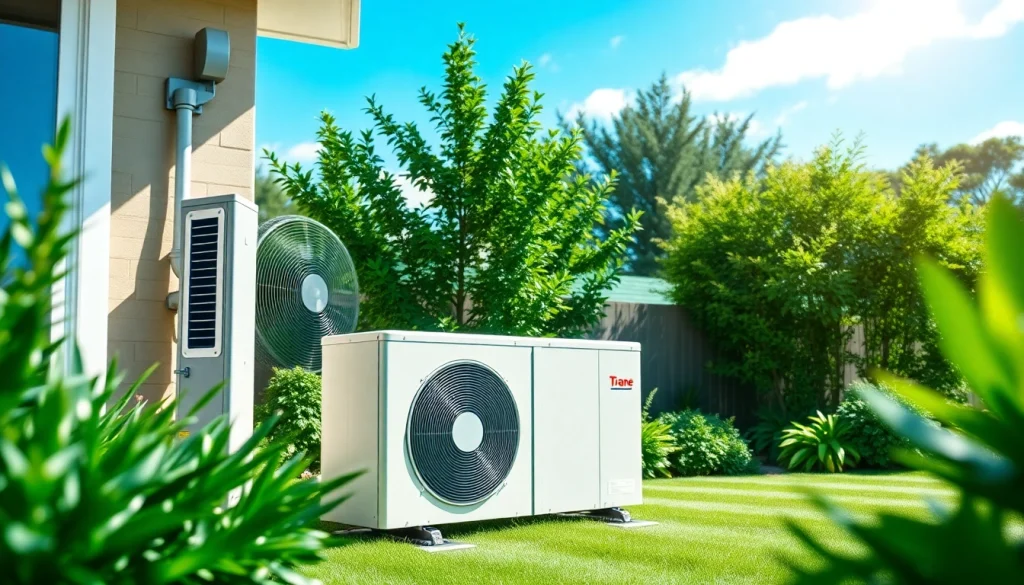
- Ensuring adequate airflow around the outdoor and indoor units.
- Choosing appropriate locations for the units to maximize efficiency and accessibility.
- Utilizing experienced HVAC professionals who are familiar with Trane technologies and can ensure a proper setup.
Taking the time to address these factors during installation can prevent future issues and improve the lifespan of your heat pump.
Optimizing Your Trane Heat Pump Performance
To get the most out of your Trane heat pump, regular maintenance and optimization strategies are vital. Simple actions can lead to substantial energy savings and enhanced performance.
Regular Maintenance Tips
Regular maintenance is essential to keep your heat pump operating efficiently. Here are notable maintenance tips:
- Clean or replace filters monthly to maintain airflow.
- Schedule professional service at least once a year for thorough inspections and tune-ups.
- Keep the outdoor unit free from debris, leaves, and snow for optimal airflow.
Adhering to these practices can enhance the system’s efficiency and prolong its lifespan.
Common Issues and Troubleshooting
Even with proper maintenance, issues can arise. Common problems include:
- No Heat or Cool Air: This could stem from thermostat issues, dirty filters, or refrigerant leaks.
- Frequent Cycling: This often indicates an oversized unit or thermostat settings needing adjustments.
For minor issues, refer to the user manual or consult a qualified technician for guidance on troubleshooting.
Enhancing Efficiency with Smart Thermostats
Integrating smart thermostats can significantly boost the efficiency of your Trane heat pump. These devices allow for:
- Remote control via smartphone apps, enabling temperature management from anywhere.
- Scheduling capabilities that align heating and cooling with your daily routines.
- Learning features that automatically adjust settings based on your behavior, achieving optimal comfort levels while saving energy.
Utilizing smart technology not only enhances comfort but also contributes to overall energy savings.
Cost Analysis of Trane Heat Pumps
Understanding the financial implications of installing a Trane heat pump is crucial. This section explores initial costs, ongoing expenses, and potential savings.
Initial Investment vs Long-term Savings
The upfront cost of purchasing and installing a Trane heat pump can be a significant investment. However, this should be weighed against long-term savings on energy bills. Homeowners may see substantial returns, particularly in regions with extreme temperatures where heating and cooling expenses are high. Over time, the efficiency of a heat pump can result in thousands of dollars in energy savings.
Understanding Operating Costs
Operating costs are influenced by factors, including local energy rates, system efficiency, and usage patterns. On average, Trane heat pumps are designed to minimize energy consumption while delivering reliable heating and cooling. Understanding how your energy bills may fluctuate will assist in budgeting and cost management.
Available Incentives and Rebates
Many homeowners can benefit from federal and state incentives aimed at promoting energy efficiency. These can help offset the initial costs associated with purchasing and installing a Trane heat pump. Research local programs and utility company offers that may provide rebates or tax credits related to energy-efficient appliances.
FAQs about Trane Heat Pumps
What is the lifespan of a Trane heat pump?
A Trane heat pump typically lasts between 10 to 15 years with proper maintenance. Regular servicing can extend its lifespan and enhance performance.
How do I know if a Trane heat pump is right for my home?
An assessment of your home’s heating and cooling needs, along with a load calculation performed by a professional, will help determine the suitability of a Trane heat pump.
Can a Trane heat pump work in colder climates?
Yes, many Trane heat pumps are designed to perform efficiently in colder climates, as they utilize advanced technology for heating even when external temperatures drop.
What maintenance does a Trane heat pump require?
Regular filter changes, annual inspections, and keeping outdoor units clean are essential maintenance steps for optimizing performance.
Are Trane heat pumps noisy during operation?
Trane heat pumps are designed with noise reduction features, making them quieter than many traditional heating systems. Some models operate at sound levels comparable to a refrigerator.