
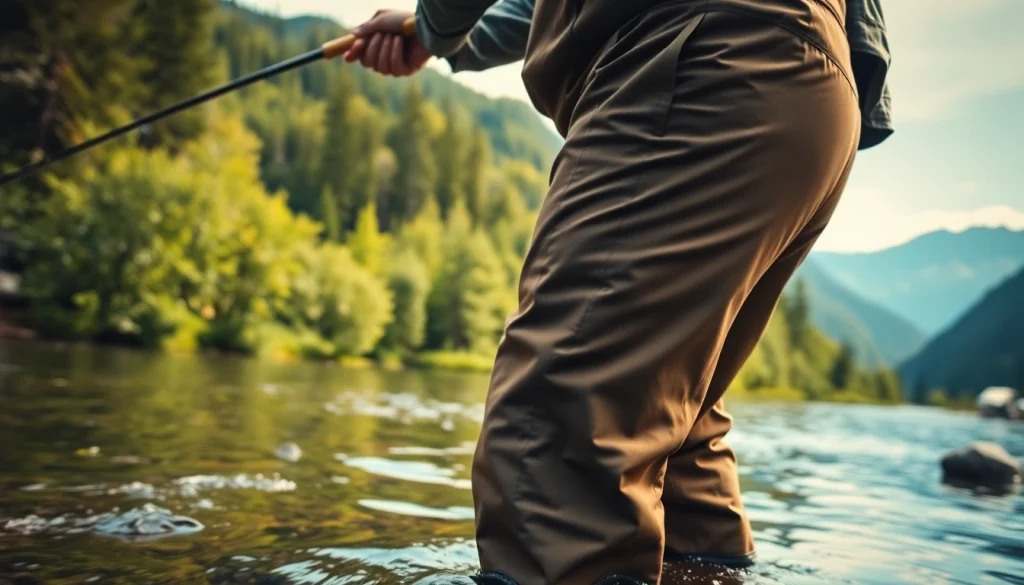

Understanding Fly Fishing Waders
What Are Fly Fishing Waders?
Fly fishing waders are specialized garments designed to outfit anglers, allowing them to enter water while keeping dry and warm. Generally made from waterproof or water-resistant materials, these waders create a barrier against cold water conditions. They are essential for anyone attempting fly fishing in rivers, streams, or lakes, providing both warmth and mobility while ensuring that the fisherman can easily maneuver without the concern of wet clothes. The design accommodates movement, allowing for a seamless experience on the water. With various styles and designs available, it’s crucial to select the right pair suited to your fishing environment and personal needs. You can explore various options for high-quality fly fishing waders to find what complements your fishing style.
Types of Fly Fishing Waders
Fly fishing waders come in several types, each tailored for different fishing conditions and preferences. Understanding these variations can significantly influence your comfort and performance:
- Bootfoot Waders: These waders have built-in rubber boots, offering convenience and warmth for cold-water environments. They’re ideal for those who prefer to avoid the hassle of coordinating boots with waders.
- Sockfoot Waders: Designed without built-in boots, these waders require the angler to wear separate wading boots. They provide more flexibility and can adapt to varying conditions, making them a popular choice among serious fly anglers.
- Chest Waders: These are designed to cover the upper body and are ideal for deep water conditions, providing added warmth and safety.
- Hip Waders: Best for shallow waters, these waders typically reach only to the waist, making them suitable for short fishing sessions.
Choosing the Right Size
Choosing the correct size for your fly fishing waders is essential for comfort and functionality. Waders that fit poorly can lead to discomfort during extended fishing trips or even cause safety concerns. To determine the right size, consider the following steps:
- Take accurate measurements of your height, waist, and chest. Many sizes can vary between manufacturers, so always refer to their specific sizing chart.
- Consider layering. If you plan on wearing insulating undergarments, it’s wise to factor that into your size selection to maintain comfort and mobility.
- Try before you buy or check the return policy. If purchasing online, ensure that you can exchange them if they don’t fit perfectly.
Benefits of Quality Fly Fishing Waders
Comfort and Mobility
Quality fly fishing waders should provide excellent comfort and mobility to enhance the overall fishing experience. Features such as adjustable straps, articulated knees, and lightweight materials allow for natural movements while casting, walking, and navigating through varied terrains. Comfort translates to better focus on fishing techniques and increases the chances of a successful catch.
Weather Protection
Waders must protect against the elements, ensuring that rain, cold, or wind does not hinder the angler’s productivity. Good-quality fly fishing waders are designed with various materials to withstand severe weather. Breathable fabrics help regulate temperature without sacrificing waterproof capabilities, keeping you warm and dry. The right waders can transform an adverse weather day into a successful fishing outing.
Durability and Longevity
Investing in high-quality fly fishing waders means prioritizing durability and longevity. Constructed with robust materials, reputable waders are resistant to abrasions, tears, and punctures from sharp rocks or fishing gear. Proper care, combined with quality craftsmanship, can extend the lifespan of your waders, ensuring they last throughout many fishing seasons.
Top Features to Look For
Material and Breathability
The material composition of fly fishing waders is paramount in determining their functionality. Options often include:
- Neoprene: Offers excellent insulation, making it ideal for cold water fishing. However, it’s less breathable.
- Breathable fabrics (GORE-TEX, for example): Are lightweight and allow moisture management, perfect for warmer conditions.
Understanding these differences helps anglers choose the best wader type for their intended conditions, balancing warmth, dryness, and comfort.
Pockets and Storage Solutions
Pockets are essential for quickly accessing fishing tools, snacks, or personal items. High-quality waders typically feature:
- Water-resistant pockets to keep your gear secure.
- Retractable gear tippets that facilitate easy accessibility to flies and other essentials.
Fit and Adjustability
The fit is critical to performance and comfort. Look for features like adjustable straps, integrated belts, and conforming varieties that allow for individualization based on body shape. Finding a pair that fits snugly while providing adequate movement is necessary to enhance your fishing efficiency.
Maintenance Tips for Fly Fishing Waders
Cleaning Procedures
Proper maintenance of your fly fishing waders will not only extend their lifespan but also help maintain performance. Follow these cleaning procedures:
- Rinse with fresh water after each use to remove dirt, salt, or debris.
- Use a damp cloth to wipe down any stubborn stains or marks.
- Follow manufacturers’ instructions for washing if the waders are machine washable.
Storage Guidelines
Correct storage after usage can prevent damage. Key storage practices include:
- Ensure waders are thoroughly dry before storing to prevent mold and mildew growth.
- Store them in a cool, dark place to avoid sun damage and material degradation.
- Avoid folding; hang them on a sturdy hanger to maintain shape and prevent creases.
Repairing Minor Damage
Even the best waders can suffer from wear and tear. Address minor damages quickly to prevent larger issues:
- Use repair kits designed for waders to patch holes or leaks.
- Inspect regularly for damages to ensure quick repairs when necessary.
FAQs about Fly Fishing Waders
What Material is Best for Fly Fishing Waders?
The best material depends on the conditions: Neoprene is great for cold, while breathable fabrics like GORE-TEX work well in warmer climates for moisture management.
How Do I Properly Clean My Fly Fishing Waders?
Rinse them with fresh water after each use, wipe away debris, and follow the manufacturer’s instructions for machine washing if applicable.
Are Fly Fishing Waders Waterproof?
Yes, most fly fishing waders are made from waterproof materials designed to keep you dry but check for specific ratings to ensure optimal performance.
Can I Wear Fly Fishing Waders in Cold Weather?
Yes, many waders are designed with thermal insulation to provide warmth in colder weather. Look for neoprene or insulated options.
What Size Fly Fishing Waders Should I Choose?
Measure your height, waist, and chest, and refer to the manufacturer’s sizing chart. Consider layering for insulation when determining size.