

Introduction to Dubai City
Overview of Dubai City
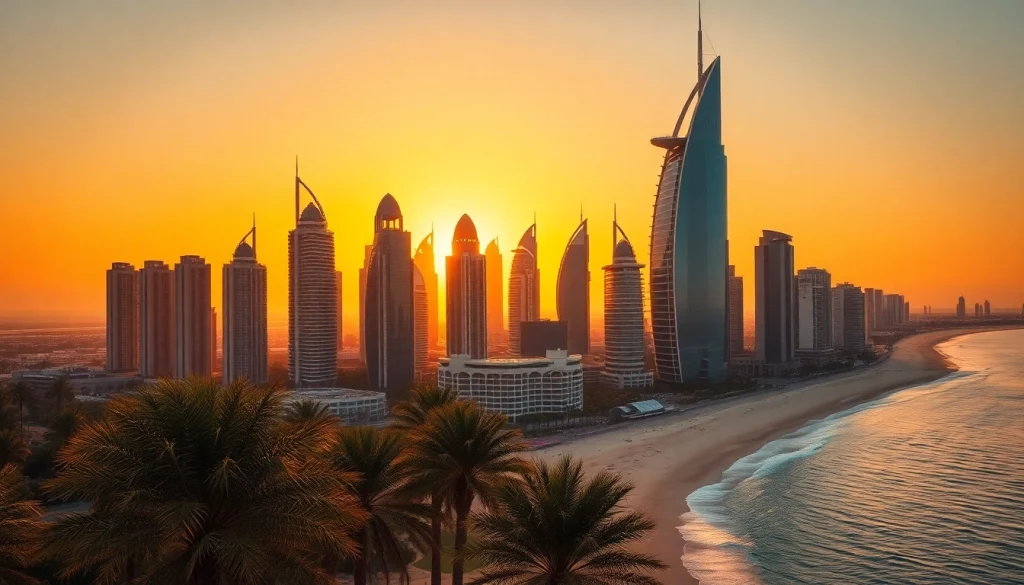
Dubai City, located on the southeast coast of the Arabian Peninsula, is one of the seven emirates that form the United Arab Emirates (UAE). Renowned for its ultramodern architecture, luxury shopping, and vibrant nightlife, the city has swiftly evolved from a modest fishing village to a global metropolis. Comprising a unique blend of tradition and modernity, Dubai City is a captivating destination that attracts millions of visitors every year.
Significance of Dubai City in Global Context
Dubai City serves as a pivotal economic hub in the Middle East, facilitating international trade, tourism, and investment. Its strategic location makes it a gateway between Europe, Asia, and Africa, positioning Dubai as a crucial player in global commerce. This cosmopolitan city serves not only as a commercial center but also as a cultural melting pot where various nationalities converge, creating a unique social landscape.
Key Attractions in Dubai City
The city is home to some of the world’s most iconic attractions, such as the Burj Khalifa, the tallest building on the planet, and the sprawling Dubai Mall, which features a myriad of shops, restaurants, and entertainment options. Other must-visit sites include the Palm Jumeirah, an artificial archipelago that showcases the city’s innovative spirit, and the Dubai Opera, a stunning tribute to the performing arts.
The Architectural Wonders of Dubai City
Iconic Skyscrapers: A Closer Look
Dubai City is synonymous with bold architectural feats. The skyline is dominated by the Burj Khalifa, which stands at an impressive 828 meters—an engineering marvel that combines aesthetics with advanced technology. The city boasts numerous other skyscrapers such as the twisting Cactus Tower and the 3D-printed Office of the Future, showcasing architectural innovation and creativity while setting benchmarks for future constructions.
Traditional vs. Modern Structures
While Dubai City is known for its modern skyscrapers, it also preserves elements of its rich cultural heritage through its traditional architecture. Structures such as the Al Fahidi Historical Neighborhood reflect Dubai’s history with their wind-tower designs and narrow alleyways. The contrast between these historical sites and the sleek modern buildings illustrates the city’s journey through time—honoring its past while embracing a futuristic vision.
Impact on Urban Development in Dubai City
The remarkable architectural landscape of Dubai City has significant implications for urban development. The city’s master plan emphasizes sustainability, innovation, and the creation of green spaces among urban settings. This vision not only enhances aesthetic appeal but also focuses on environmental conservation, making Dubai a model for future urban developments worldwide.
Cultural and Recreational Activities in Dubai City
Festivals and Events to Experience
Dubai City is alive with cultural events, hosting a range of festivals throughout the year that reflect its diverse population. The Dubai Shopping Festival, with its extensive discounts and entertainment, showcases the city’s retail sector, while the Dubai Food Festival celebrates its culinary diversity. Additionally, art enthusiasts can look forward to the Dubai Art Season, a celebration of creativity and cultural exchange.
Cultural Museums and Heritage Sites
The city is home to many museums and heritage sites, such as the Dubai Museum located in the Al Fahidi Fort, which offers insights into the region’s history and culture. The Sheikh Mohammed Centre for Cultural Understanding promotes awareness of Emirati culture through heritage tours and traditional meals, fostering deeper connections between locals and visitors.
Outdoor and Adventure Options in Dubai City
For those seeking adventure, Dubai City offers numerous options. The desert safari experience, which includes dune bashing and camel rides, allows visitors to explore the stunning Arabian desert landscape. Water sports, including jet skiing and paddleboarding, are popular along the city’s pristine beaches, while indoor skiing at Ski Dubai provides a unique twist on outdoor activities.
Shopping and Dining Experiences in Dubai City
Luxury Shopping Destinations
Dubai City is often referred to as a shopping paradise, with a plethora of luxury shopping destinations. The Dubai Mall, one of the largest shopping centers in the world, offers high-end brands and exclusive stores. Mall of the Emirates is another top destination, featuring an array of retail outlets in a lavish setting, making shopping a luxurious experience.
Delicious Culinary Trends in Dubai City
The culinary scene in Dubai City is as diverse as its population, offering a variety of international cuisines. From gourmet dining to street food, the city caters to all palates. Popular trends include the rise of food trucks and casual dining concepts, emphasizing fresh, locally sourced ingredients. Visitors can experience culinary innovations at spots like the Dubai Food Hall, where culinary craftsmanship meets contemporary design.
Local Markets and Souks
For a taste of authenticity, visitors shouldn’t miss Dubai’s traditional souks. The Gold Souk is a treasure trove of fine jewelry, while the Spice Souk offers aromatic spices and herbs from around the world. These bustling markets provide a glimpse into local trade and culture and create unique shopping experiences for those looking to take a piece of Dubai’s heritage home with them.
Living and Working in Dubai City
Real Estate and Housing Market Overview
Dubai City’s real estate market is dynamic and ever-evolving, characterized by diverse housing options from luxury villas to affordable apartments. The demand for properties often fluctuates due to factors like economic developments and expatriate influx. With a variety of residential projects underway, Dubai offers attractive investment opportunities for both locals and foreign buyers seeking to settle in the city.
Job Opportunities in Various Sectors
The economic landscape in Dubai City is rich with opportunities across multiple sectors such as tourism, finance, technology, and healthcare. The city’s initiatives to attract international businesses and promote startups contribute to a robust job market. Networking events and career fairs regularly showcase various employment options, making it an attractive destination for job seekers.
Quality of Life in Dubai City
Dubai City boasts a high standard of living, characterized by modern amenities, excellent healthcare, and world-class education. The city offers a multitude of recreational facilities, parks, and beaches, making it suitable for families. Furthermore, the multicultural environment allows residents to enjoy a plethora of cultural experiences, enhancing their quality of life in this vibrant city.
FAQs
What makes Dubai City a unique travel destination?
Dubai City stands out with its blend of modern architecture, rich culture, luxury shopping, and diverse attractions. It’s an extraordinary experience that offers something for every traveler.
What are the top attractions to visit in Dubai City?
Key attractions include the Burj Khalifa, Dubai Mall, Palm Jumeirah, and Dubai Opera. These sites showcase innovation, aesthetics, and entertainment unique to Dubai.
How is the culinary scene in Dubai City?
Dubai City’s culinary scene features international cuisines, gourmet restaurants, and vibrant local food markets, making it a food lover’s paradise that caters to varied tastes.
Are there outdoor activities available in Dubai City?
Yes, visitors can enjoy adventure sports, beach activities, desert safaris, and a range of recreational parks, providing plenty of options for outdoor enthusiasts in Dubai City.
How does the real estate market operate in Dubai City?
Dubai City’s real estate market is dynamic, offering diverse housing options and investment opportunities for both locals and expatriates, significantly contributing to economic growth.