

Understanding Crawl Space Restoration
What is Crawl Space Restoration?
Crawl Space Restoration refers to the various procedures implemented to restore a crawl space to a safe, healthy, and functional condition. Often an overlooked element of a home, a crawl space can accumulate moisture, pests, and structural damage over time. This restoration process generally includes water removal, moisture control, insulation installation, and pest management aimed at improving air quality and preventing costlier repairs. Homeowners should consider Crawl Space Restoration services as essential to maintaining the integrity of their homes.
Importance of Maintaining Crawl Spaces
Maintaining crawl spaces is crucial for several reasons. First, a well-kept crawl space contributes to better overall indoor air quality, preventing allergens and pollutants from entering the living areas of the home. Second, it protects the structural integrity of the house. Issues like mold, wood rot, and pest infestations can compromise the foundation. Regular maintenance can reduce the risk of costly repairs that result from neglecting these areas. Lastly, the value of a home can diminish if crawl spaces are left unaddressed, potentially making it a red flag for prospective buyers.
Common Issues in Crawl Spaces
Crawl spaces are prone to several common issues, including:
- Mold and Mildew: A result of excessive moisture that can damage wood and pose health risks to inhabitants.
- Pest Infestations: Rodents, insects, and other pests are often attracted to dark, damp crawl spaces, leading to infestations.
- Foundation Problems: Water accumulation can erode foundations, causing structural issues over time.
- Poor Insulation: Insufficient insulation can lead to energy loss, increasing utility bills and making homes uncomfortable.
Crawl Space Restoration Techniques
Water Removal and Moisture Control
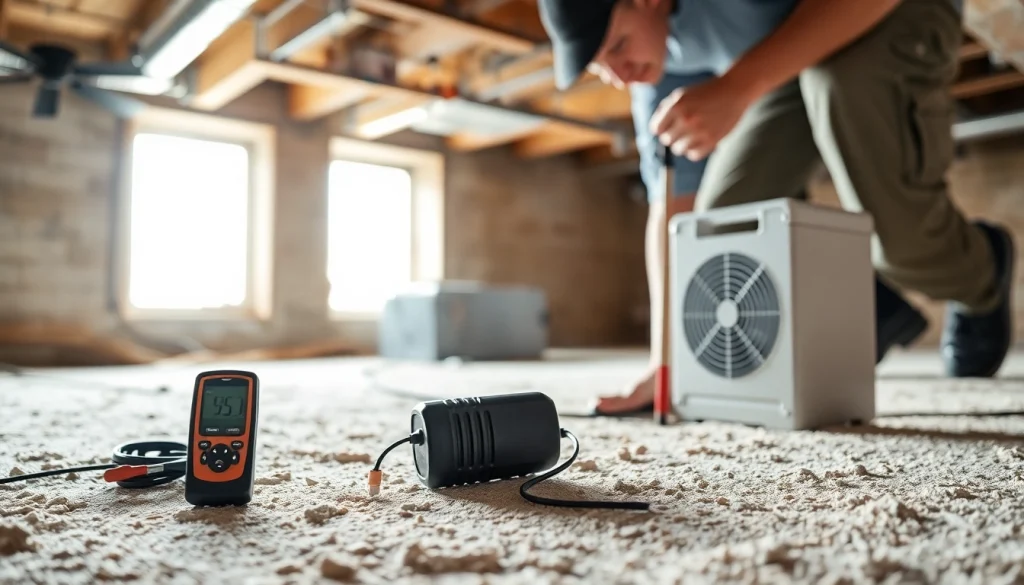
Water removal is a vital first step in crawl space restoration. Techniques include the installation of sump pumps, dehumidifiers, and drainage systems to manage water accumulation effectively. Additionally, moisture barriers can be placed on the ground to prevent vapor rising from the soil, significantly reducing the dampness levels within the crawl space. It’s essential to regularly monitor moisture levels and address any leaks promptly.
Insulation Options for Better Efficiency
Proper insulation plays a crucial role in maintaining energy efficiency and comfort. There are several insulation types suitable for crawl spaces, including fiberglass batts, spray foam, and rigid foam boards. Selecting the appropriate insulation depends on factors such as the climate, accessibility, and budget. Properly insulated crawl spaces can prevent heat loss, lower energy bills, and inhibit the growth of moisture-related problems.
Pest Management in Crawl Spaces
Effective pest management involves both preventive and remedial measures. Preventive techniques can include sealing entry points and installing barriers to deter pests. Regular inspections should be conducted to identify signs of infestations early. In cases where infestations have already occurred, professional extermination may be necessary to ensure thorough removal and mitigation of future risks.
Choosing the Right Professionals for Crawl Space Restoration
What to Look for in Experts
Choosing the right professionals for crawl space restoration requires careful consideration. Homeowners should look for certified and experienced contractors with a solid reputation in the industry. Recommendations from previous clients, online reviews, and appropriate licenses or certifications can help ensure that you hire qualified individuals. Additionally, effective communication skills and a thorough understanding of crawl space issues are essential traits to seek in restoration professionals.
Benefits of Professional Restoration Services
Engaging professional restoration services offers numerous benefits. Professionals are equipped with the tools and knowledge necessary to handle complex situations, such as heavy damage from moisture or pests. They can conduct comprehensive inspections, identify underlying issues, and implement tailored solutions efficiently. Furthermore, professional services often come with warranties, providing peace of mind for homeowners.
Cost Considerations and Estimates
The cost of crawl space restoration can vary widely based on several factors, including the extent of the damage, the techniques used, and the geographical location. It’s essential to obtain detailed estimates from multiple contractors, ensuring they provide a breakdown of labor, materials, and any additional fees. Most importantly, understanding what the costs cover can help homeowners gauge the value of the service in relation to long-term benefits.
DIY vs. Professional Crawl Space Restoration
When to Attempt DIY Projects
Homeowners who are handy and have some experience with home repairs may consider tackling minor crawl space tasks themselves, such as removing debris or inspecting insulation. However, essential restoration tasks involving moisture management or structural repairs typically require professional expertise to ensure safety and effectiveness.
Safety Considerations for DIY Restoration
Safety is paramount when undertaking any crawl space project. Hazardous materials, such as asbestos or mold, can be present in some crawl spaces, requiring special care during removal. Homeowners should also take precautions while working in confined spaces, including wearing protective clothing, masks, and ventilation gear. If any uncertainty arises, it’s wise to consult with a professional.
Long-term Benefits of Professional Help
While engaging professionals may incur an upfront cost, the long-term benefits often outweigh these expenses. Professionals not only reduce the risk of recurring issues but also ensure that any restoration adheres to building codes and standards. Moreover, peace of mind comes from knowing that the work meets a high standard of quality.
Maintaining a Healthy Crawl Space Post-Restoration
Regular Inspection and Maintenance Tips
Post-restoration, homeowners should implement regular inspection and maintenance routines. It’s advisable to check the crawl space every six months for water intrusion, pest activity, and insulation integrity. Additionally, maintaining an adequate drainage system and ensuring that gutters and downspouts direct water away from the foundation can prevent future problems.
Signs of Future Problems
Awareness of potential issues can save homeowners from significant expenses. Signs to watch for include increased humidity levels, musty odors, sagging floors, and visible mold or pest droppings. Early identification of these issues enables swift action, ultimately preventing extensive damage and costly repairs.
FAQs About Crawl Space Restoration
1. What are the main signs that my crawl space needs restoration?
Common signs include excessive moisture, visible mold, pest activity, and musty odors, which indicate the need for restoration.
2. Can I perform crawl space restoration myself?
Minor tasks can be DIY, but complex issues like moisture control or structural work usually require professional expertise.
3. How often should I inspect my crawl space?
It’s recommended to inspect your crawl space at least twice a year to catch potential issues early.
4. What types of insulation are best for crawl spaces?
Fiberglass batts, spray foam, and rigid foam boards are popular choices depending on your needs and budget.
5. What can I do to prevent pests in my crawl space?
Seal entry points, maintain moisture control, and conduct regular inspections to deter pests from entering your crawl space.