Understanding Metal Roofing Options
When considering roofing materials for residential or commercial properties, metal roofing has surged in popularity due to its durability and aesthetic appeal. However, with many metal roofing companies offering varied solutions, it’s essential to understand the types and advantages of metal roofs before making a decision.
Types of Metal Roofing Materials
Metal roofing comes in several materials, each with its unique properties and benefits:
- Steel: Renowned for its strength and affordability, steel roofing is often galvanized to prevent rusting, making it a popular choice.
- Aluminum: Lightweight and resistant to corrosion, aluminum is suitable for coastal regions where saltwater exposure is a concern.
- Copper: Though more expensive, copper develops a distinctive patina over time and offers long-lasting durability.
- Zinc: Similar to copper, zinc roofing is known for its self-healing properties and aesthetic appeal, making it an excellent long-term investment.
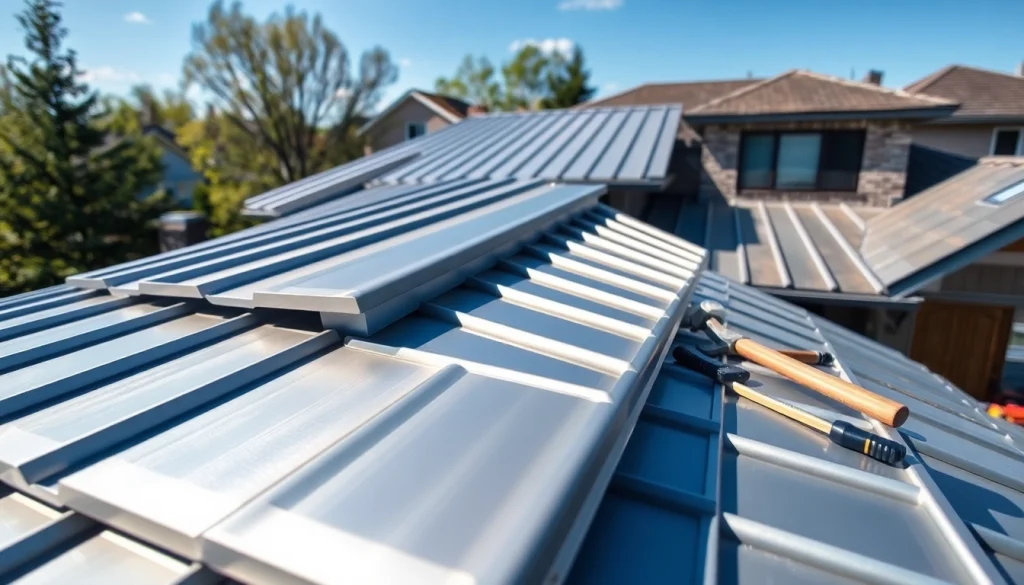
- Ribbed Panels: Used mainly in commercial settings, ribbed metal panels provide a robust and functional roof solution.
Advantages of Metal Roofs
Metal roofs offer numerous advantages that make them an attractive option:
- Longevity: With lifespans ranging from 40 to 70 years, metal roofs outlast many traditional types of roofing.
- Energy Efficiency: Metal reflects radiant heat, which can significantly lower cooling costs during the warmer months.
- Low Maintenance: Metal roofs require less frequent maintenance than other materials, saving time and money.
- Fire Resistance: Metals do not ignite, reducing the risk of fire damage to properties.
- Eco-friendly: Metal roofs are often made from recycled materials and are fully recyclable at the end of their lifespan.
Common Myths and Misconceptions
Despite their numerous benefits, metal roofs are surrounded by myths that may deter potential buyers:
- Metal roofs are noisy: Modern metal roofing systems use insulation and sound-deadening materials that minimize noise during rain or hail.
- They attract lightning: No evidence suggests metal roofs attract lightning more than other materials. They do, however, conduct electricity better, potentially grounding the strike.
- Metal roofs are too expensive: While the upfront costs can be higher, the long-term savings and durability often offset the initial investment.
Evaluating Metal Roofing Companies
Choosing the right metal roofing company plays a crucial role in ensuring a successful installation. Here’s what to consider during your evaluation:
Key Qualifications to Look For
When assessing potential contractors, consider the following qualifications:
- Licensing and Insurance: Ensure the company holds the necessary licenses and has liability insurance to protect you against accidents on your property.
- Experience: Look for companies with a solid track record and substantial experience in metal roofing installations.
- Certifications: Additional qualifications from manufacturers can indicate a contractor’s competence and adherence to industry standards.
Reviews and Testimonials
Customer feedback can provide invaluable insights into a company’s reliability and quality of work. Examine reviews on multiple platforms, and seek testimonials directly from previous clients. Engage with the feedback, looking for patterns regarding communication, adherence to timelines, and the quality of the installation.
Cost vs. Quality Considerations
While it’s tempting to choose the lowest bidder, a balance between cost and quality is vital. Price should not be the only deciding factor; consider the materials used, warranty options, and the potential need for future repairs.
Installation Process Explained
Understanding the installation process allows homeowners to prepare adequately and set expectations for timelines and disruptions.
Preparation Before Installation
Prior to installation, homeowners should ensure the following preparations are made:
- Site Assessment: A thorough assessment by the roofing company to evaluate the existing roof and identify any necessary repairs.
- Permits: Check local regulations to ensure all required permits are obtained before work begins.
- Choosing Accessories: Consider any additional features, such as insulation or ventilation systems, that may enhance overall functionality.
What to Expect During Installation
The installation typically progresses through several phases:
- Removal of Existing Roofing: The old roof may need to be removed if it is damage-prone or incompatible with metal roofing.
- Preparing the Roof Deck: The roof deck should be cleaned, repaired, or replaced as needed before the new metal roofing can be laid.
- Installation of Underlayment: A protective barrier is installed to prevent moisture accumulation, which is critical for long-term roof health.
- Metal Panel Installation: The metal panels are carefully positioned, fastened, and sealed to ensure watertight integrity.
Post-Installation Care and Maintenance
Once the installation is complete, routine inspections and maintenance are essential:
- Regular Inspections: Check for loose fasteners, rust, or other potential issues at least twice a year.
- Debris Removal: Keep the roof clear of leaves, branches, and other debris to prevent water pooling and damage.
- Gutter Cleaning: Ensure gutters and downspouts are free from obstructions to facilitate proper drainage.
Long-Term Benefits of Metal Roofing
Investing in a metal roof comes with several long-term benefits that can ultimately increase property value.
Energy Efficiency and Cost Savings
Metal roofing can significantly affect energy consumption. By reflecting solar radiant heat, it can keep your home cooler and lead to lower air conditioning bills. In many cases, home and business owners report savings of up to 25% on energy costs compared to traditional roofing materials.
Durability and Longevity
The resilience of metal roofing systems ensures they withstand harsh weather, including heavy snow, strong winds, and hail. Typically, metal roofs can last between 40 to 70 years, depending on the material and maintenance, making them a sound long-term investment.
Environmental Impact of Metal Roofs
Metal roofs are one of the most environmentally friendly roofing options available. Many systems are made from recycled materials, and they are also 100% recyclable at the end of their life cycle. Furthermore, their energy efficiency reduces overall energy consumption, promoting sustainable living.
FAQs about Metal Roofing Companies
What should I consider when choosing metal roofing?
When selecting metal roofing, evaluate material type, company experience, warranties, and energy efficiency benefits to make an informed decision.
How long does metal roofing last?
Metal roofs can last between 40 to 70 years, depending on the type of metal and maintenance performed.
Are metal roofs more energy efficient?
Yes, metal roofs reflect solar heat, helping to lower cooling costs and reducing energy consumption in warmer months.
What maintenance do metal roofs require?
Metal roofs need minimal maintenance, which typically includes regular inspections, debris removal, and ensuring gutters are clear.
How can I evaluate metal roofing companies?
Check for licensing, insurance, customer reviews, and industry certifications to choose a reliable metal roofing company.