
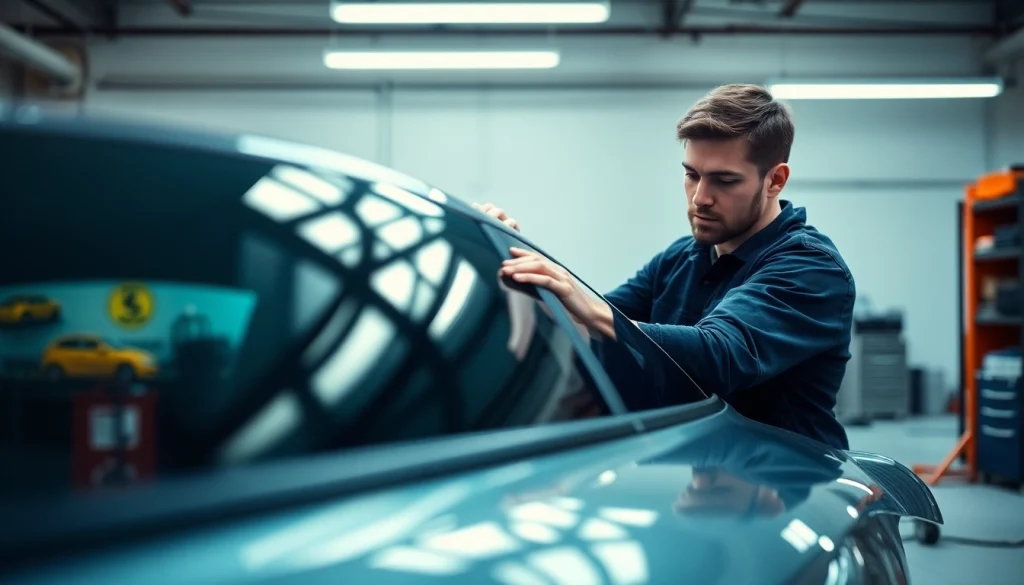

Understanding Ceramic Window Tint
What is Ceramic Window Tint?
Ceramic window tint is a state-of-the-art window film that incorporates ceramic particles to enhance its performance and durability. Unlike dyed or metalized window tints, ceramic window tint offers excellent heat rejection, UV protection, and clarity without obstructing visibility. This innovative option is ideal for car enthusiasts and anyone who spends significant time in their vehicle. By using ceramic window tint, you can enjoy a cooler interior while protecting your skin and the vehicle’s interior materials.
How Does Ceramic Window Tint Work?
Ceramic window tint works by utilizing ceramic nanoparticles that reflect infrared light away from the vehicle. This technology allows the film to block up to 99% of harmful UV rays, significantly reducing heat buildup inside the car. Moreover, because the particles are ceramic and not metal, they do not interfere with electronic signals, providing a distinct advantage over traditional metalized films. The result is a film that keeps your car cooler while maintaining cell phone and GPS signal integrity.
Benefits of Ceramic Window Tint
The advantages of ceramic window tint extend beyond mere aesthetics. Some key benefits include:
- UV Protection: Blocks up to 99% of harmful UV rays, reducing skin cancer risks and preserving the vehicle’s interior.
- Heat Rejection: Efficiently rejects heat, leading to a cooler cabin and increased comfort on hot days.
- Durability: Resistant to scratches and fading, ensuring longevity and premium appearance over time.
- Enhanced Privacy: Offers a level of privacy without compromising visibility during the day.
- Glare Reduction: Minimizes eye strain and improves driving visibility by blocking harsh sunlight.
Installation Process of Ceramic Window Tint
Preparing Your Vehicle for Tinting
Before installing ceramic window tint, proper preparation is essential. Here are the steps to prepare your vehicle:
- Clean the Windows: Ensure the windows are thoroughly cleaned with a glass cleaner and a lint-free cloth to remove any dirt, grease, or debris.
- Remove any Accessories: Take off window visors or any other accessories that might interfere with the installation process.
- Choose the Right Tint Percentage: Determine the darkness level of the tint you want, considering local laws and regulations for automotive window tints.
Step-by-Step Installation Guide
Installing ceramic window tint can be a straightforward process if you follow these steps:
- Measure the Windows: Carefully measure each window to cut the tint film accurately.
- Cut the Film: Using the measurements, cut the ceramic window tint, leaving a small overhang to ensure full coverage.
- Spray Solution: Fill a spray bottle with a mixture of water and a few drops of dish soap; spray the window to create a slippery surface.
- Apply the Tint: Position the tint on the window, adhesive side down, adjusting it to fit. Allow the extra film to hang over the edges.
- Remove Air Bubbles: Using a squeegee, start from the center and push out towards the edges to remove any air bubbles.
- Cut the Excess Film: Once satisfied with the placement, trim the excess film for a clean finish.
- Allow to Cure: Let the tint cure for several days to ensure proper adhesion.
Common Mistakes to Avoid
When installing ceramic window tint, avoid these common pitfalls:
- Not cleaning the windows well enough, which can lead to air bubbles and imperfections.
- Using too much solution when applying the tint can weaken adhesion.
- Not allowing sufficient curing time, which can compromise the tint’s longevity.
- Choosing a tint percentage that may be illegal in your area.
Comparing Ceramic Window Tint to Other Types
Metalized vs. Ceramic Window Tint
Metalized window tints use metallic particles to reflect heat but can interfere with electronic signals. Unlike metalized films, ceramic window tint does not have metallic substances, allowing for clear communications with cell phones and GPS devices. Metalized films can also fade over time, while ceramic tints maintain their quality and performance longer.
Dyed vs. Ceramic Window Tint
Dyed window tints merely add color to the glass but do not offer significant UV or heat protection. In contrast, ceramic window tint incorporates high-performance particles that provide better UV rejection, heat control, and longevity. Dyed films may also fade over time, while ceramic keeps its effectiveness and appearance intact.
Performance Differences
The distinction in performance between ceramic window tint and other types is significant. Ceramic tints provide superior heat rejection and UV protection without compromising visibility. For instance, ceramic films can block up to 70% of solar heat, ensuring a comfortable and safe interior. On the other hand, dyed and metalized films fall short in these areas, making ceramic a more viable long-term investment.
Maintaining Your Ceramic Window Tint
Cleaning and Care Tips
Proper maintenance of your ceramic window tint is essential for its longevity. To clean your tinted windows, follow these tips:
- Use a soft, microfiber cloth to avoid scratches.
- Refrain from using ammonia-based cleaners, as they can degrade the film.
- Gently wipe in a circular motion to remove dirt and grime.
Signs of Wear and When to Replace
While ceramic window tints are highly durable, they can show signs of wear over time. Look for:
- Peeling or bubbling edges, which indicate issues with adhesion.
- Fading or discoloration, suggesting a degradation of the film’s protective properties.
- Noticeable scratches that could impair visibility.
If you notice these issues, it may be time to consider a replacement.
Longevity of Ceramic Window Tint
Ceramic window tint is known for its longevity. With proper care, it can last between 10 to 15 years or even longer. Factors that influence longevity include environmental conditions, maintenance practices, and the quality of the initial installation. If installed professionally and maintained well, ceramic window tint remains highly effective over its lifespan.
FAQs About Ceramic Window Tint
Is ceramic window tint worth the investment?
Ceramic window tint offers superior heat rejection, UV protection, and durability, making it a worthwhile investment for enhanced comfort and vehicle preservation.
How long does ceramic window tint last?
With proper installation and care, ceramic window tint can last between 10 to 15 years or longer, significantly outlasting other types of films.
Can I install ceramic window tint myself?
While DIY installation is possible, professional installation is recommended for the best results, ensuring proper application and longevity.
Does ceramic window tint block UV rays?
Yes, ceramic window tint blocks up to 99% of harmful UV rays, protecting your skin and preventing interior fading.
What are the legal limits for window tint?
Legal limits for window tint vary by state; it’s essential to check local regulations to ensure compliance with tint darkness and reflectivity standards.