
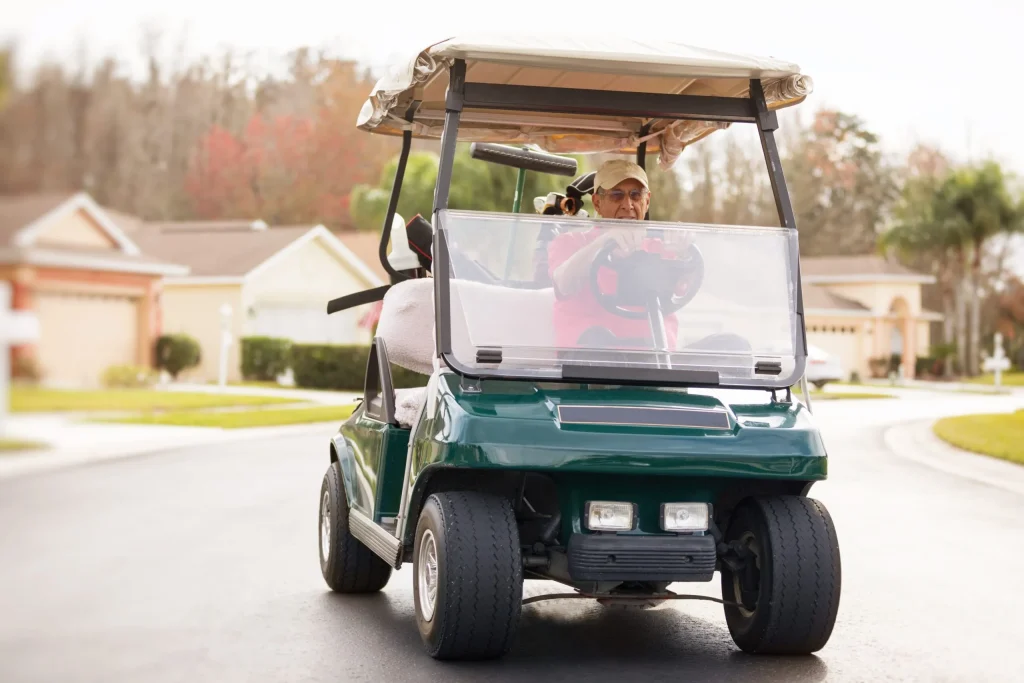
Understanding Golf Cart Battery Service
What is Golf Cart Battery Service?
Golf cart battery service refers to the range of maintenance practices necessary to keep the batteries in optimal condition for reliable performance. This service includes checking battery water levels, testing battery voltage, ensuring clean terminals, and replacing deteriorated batteries. Routine maintenance tasks not only prolong the life of the batteries but also enhance the overall performance of the golf cart. Given the substantial cost of golf cart batteries, investing in Golf cart battery service can lead to significant savings in the long run.
Importance of Regular Maintenance
Regular battery maintenance is essential for several reasons. Firstly, it prevents unexpected failures and malfunctions, which can disrupt usage and lead to additional repair costs. Secondly, a well-maintained battery ensures consistent power delivery, enhancing the efficiency of the golf cart. Additionally, maintenance helps identify potential issues early, significantly reducing the risk of complete battery failure. By keeping a consistent maintenance schedule, golf cart owners can enjoy peace of mind, knowing their equipment is reliable and safe.
Common Battery Issues
Common issues with golf cart batteries include sulfation, corrosion, insufficient water levels, and aging. Sulfation occurs when lead sulfate crystals form on the battery plates, reducing capacity. Corrosion, often seen around terminals, can inhibit the flow of current. Low water levels, especially in flooded batteries, can lead to overheating and damage. Finally, as batteries age, their capacity decreases, necessitating timely replacement to avoid performance loss. Knowing these common issues allows owners to take proactive steps in maintaining their batteries.
Choosing the Right Battery for Your Golf Cart
Types of Golf Cart Batteries
There are primarily three types of batteries used in golf carts: lead-acid, lithium-ion, and gel batteries. Lead-acid batteries are the most common and are generally less expensive. They require regular maintenance but are available in flooded, AGM, and maintenance-free variants. Lithium-ion batteries, on the other hand, are lightweight, have a longer life span, and charge faster, but they typically come with a higher price tag. Gel batteries, which utilize a gel electrolyte, also provide a maintenance-free option but may have a higher initial cost and less energy density compared to lead-acid batteries. Choosing the right battery type depends on usage frequency, budget, and maintenance capacity.
How to Evaluate Battery Quality
When evaluating battery quality, consider factors such as brand reputation, warranty, capacity in amp-hours (Ah), and cycle life. A reputable brand generally indicates a higher likelihood of a well-manufactured product. Battery capacity and cycle life reflect how long the battery can sustain power delivery and how many charge cycles it can endure before performance degrades. Additionally, online reviews and customer testimonials can provide insights into a battery’s real-world performance and longevity.
Battery Sizes and Specifications
Understanding the size and specifications is crucial for selecting the right battery for your golf cart. Battery sizes are categorized by group numbers (like Group 27 or Group 8V), which determine the physical dimensions and terminal configurations of the batteries. Ensure that the chosen battery fits securely within the golf cart’s battery compartment and matches the voltage requirements of the cart. Always refer to the manufacturer’s specifications before making a decision to ensure compatibility.
Signs Your Golf Cart Needs Battery Service
Indicators of Battery Failure
There are several signs that can indicate a battery is nearing failure. These include a noticeable decrease in speed or power, difficulty in starting the cart, or inconsistent electrical performance. Other indicators may include excessive corrosion around battery terminals, unusual odors, or swelling of the battery casing. Recognizing these signs early can help owners avoid being stranded and confirm whether it’s time for battery service or replacement.
When to Seek Professional Help
Consulting a professional is advisable when faced with significant performance issues or if battery maintenance becomes overwhelming. If the battery shows clear signs of physical damage, such as cracks or leaks, or if routine maintenance checks are yielding unexpected results, a professional technician can diagnose problems more accurately. Moreover, for those unfamiliar with battery maintenance practices, seeking help can prevent improper handling which might lead to safety hazards.
DIY Trouble-Shooting Tips
For those who prefer a hands-on approach, several DIY troubleshooting steps can be taken. Start by visually inspecting the battery and connections for any signs of corrosion or loose terminals. Additionally, a voltage meter can help measure the battery’s state of charge; a fully charged 12-volt lead-acid battery should read around 12.6 volts or higher. Regular maintenance tasks, like cleaning terminals and checking fluid levels, can significantly extend battery life. Having a maintenance checklist can simplify these processes, ensuring that nothing is overlooked.
Performing Routine Golf Cart Battery Maintenance
Steps for Proper Battery Care
Proper battery care involves several routine steps. First, always ensure that the battery is disconnected during maintenance. Begin by cleaning the terminals with a mixture of baking soda and water to neutralize any corrosion. After cleaning, rinse thoroughly and dry before reconnecting. Check water levels in flooded batteries and top off with distilled water as needed, avoiding overfilling. Additionally, regularly checking the battery’s charge status ensures optimal performance; charge batteries as soon as the state of charge drops significantly, typically below 50%.
Seasonal Maintenance Checklist
Seasonal maintenance is a vital practice in ensuring that the golf cart battery remains in excellent condition throughout the year. In spring, inspect for any winter damage and ensure all connections are secure. Mid-summer should involve checking the electrolyte levels and cleaning terminals as heat can increase evaporation rates. Fall is a good time to check the battery’s charge and to clean connections to prepare for winter storage. In winter, ensure batteries are charged and stored in a controlled environment to prevent freezing and damage.
Storing Your Golf Cart Safely
Proper storage can significantly affect the longevity of your golf cart battery. Before stowing, ensure the battery is charged fully, as a depleted battery can freeze and suffer damage during cold months. Store the battery in a dry, cool space away from high temperatures. Additionally, consider using a battery maintainer or trickle charger to keep the battery at an optimal charge level throughout periods of inactivity. Ensure all terminals are clean and secure to prevent any potential discharges.
FAQs About Golf Cart Battery Service
How often should I service my golf cart battery?
Service your golf cart battery every 3-6 months, focusing on cleaning, water levels, and voltage checks. More frequent checks are necessary for heavy or frequent usage.
What are the benefits of preventative battery maintenance?
Preventative maintenance prolongs battery life, enhances performance, and reduces the risk of unexpected failures, ultimately saving you time and costs associated with replacements and repairs.
Can I replace my golf cart battery myself?
Yes, you can replace your golf cart battery yourself if you have the necessary tools and safety equipment. However, always follow manufacturer guidelines for the safest process.
What tools do I need for golf cart battery service?
You will need basic tools like wrenches, a multimeter for voltage testing, safety gloves, cleansing agents for terminals, and distilled water for maintenance.
How can I extend my golf cart battery life?
To extend battery life, ensure regular maintenance, avoid deep discharges, charge promptly, and store in a cool, dry place. Observing these practices helps maintain health and performance.